
Plants
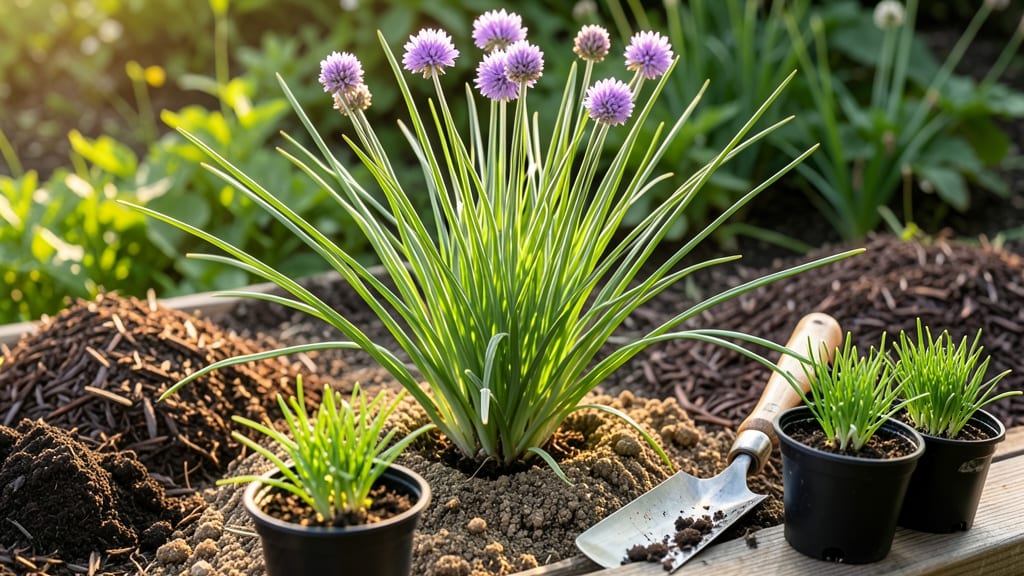
If you’ve ever planted chives in Texas only to watch them bolt into bitter flowers by summer, you’re not alone—timing is the game-changer. The key to growing lush, flavorful 🌿 chives year-round lies in understanding Texas’s unique climate zones and frost patterns.
Most Texas gardeners swear by fall planting for chives because cooler temperatures prevent bolting, but North Texas’s earlier frosts mean spring starts work too. Whether you’re in Central Texas’s 8b or South Texas’s 9a-10a, I’ll show you the exact windows to plant for zero risk of bitter regrowth.
You’ll also discover how to stretch harvests by staggering plantings and which varieties handle Texas heat best—no more sad, wilted herbs by July. Let’s dive into the schedule that keeps your chives thriving from spring to fall.
Ready to grow chives that stay sweet and productive? The secret starts with the right timing—and I’ve got the Texas-specific plan to make it happen.
Texas chives planting calendar: avoid bolting with perfect timing
Texas gardeners face a unique challenge with chives—our long, hot summers and variable winters demand precise timing to prevent bolting or stunted growth. Unlike cooler climates, chives in Texas thrive best when planted during cooler months, where soil temperatures stay below 75°F.
This schedule ensures zero-bolt risk and maximizes flavorful harvests year-round.
Chives are cold-hardy perennials that handle Texas winters well, but they despise intense summer heat. The key is planting them when daytime highs stay below 85°F—this means fall and early spring are your best bets.
For North Texas (Zones 7b-8a), aim for September through March, while Central and South Texas (Zones 8b-10a) can extend planting into late spring (April-May) before summer arrives.
🌱 Pro Tip: Use a soil thermometer to check temperatures before planting—ideal soil temps for chives are 50-65°F. If your soil runs hotter, wait until evening to plant and water deeply to cool the roots.
🌿 Texas Chives Planting & Harvest Timeline
| Season | Planting Window | Soil Temp (°F) | Harvest Window | Notes |
|---|---|---|---|---|
| Fall | September-October | 50-65°F | November-March | Best for North/Central TX; avoid after first frost. |
| Winter | December-February | 40-55°F | March-May | Cold-hardy; protect with mulch in North TX. |
| Spring | March-April (North TX) / April-May (Central/South TX) | 55-70°F | May-July (North TX) / June-August (Central/South TX) | Plant early to avoid summer bolting; use shade cloth. |
| ⚠️ Summer | June-August | Above 75°F | Minimal harvest | Avoid planting; use shade and extra water. |
For North Texas gardeners, the last frost date (typically February 15-March 15) signals the perfect time to plant chives for a spring harvest.
In Central Texas, where frosts are rare, September-October is ideal for fall planting, while South Texas can plant year-round but focuses on spring and fall to avoid summer stress.
To extend your harvest, try staggered plantings every 4-6 weeks from September through March. This ensures a continuous supply of fresh chives without gaps.
For example, plant one batch in early September for a winter harvest, another in late October for spring, and a final batch in February for early summer use.
💡 Key Insight: Chives planted in late summer (August) may survive if given extra shade and daily watering, but they’ll likely bolt prematurely. Instead, focus on fall and spring for the best results.
If you’re in South Texas (Zones 9a-10a), where winters are mild, you can plant chives year-round, but prioritize fall and early spring to avoid the oppressive summer heat. Use drip irrigation or self-watering containers to maintain consistent moisture during these months.
For container gardening, chives grow beautifully in pots and can be moved to shadier spots during summer. Choose containers with drainage holes and use a lightweight potting mix
Texas chives planting calendar: avoid bolting with perfect timing
Texas’s USDA zones 6-10 create unique challenges for growing chives. The key to avoiding bitter bolting lies in planting when soil temperatures stay below 75°F—a rule that changes dramatically from North Texas’s 7b-8a to South Texas’s 9a-10a.
In my experience, fall planting (September-October) works best for most regions, but North Texas gardeners can also start in late February to beat the heat.
For zero-bolt risk, aim to plant chives when daytime highs hover around 70°F. This typically means September-October for Central and South Texas, while North Texas gardeners should wait until late February to avoid early spring heat spikes.
Staggering plantings by 3-4 weeks lets you extend harvests from spring through fall.
🌱 Pro Tip: Use a soil thermometer to confirm temperatures are below 70°F before planting—this prevents premature bolting.
Texas Chives Planting Schedule
| Region | Best Planting Window | Soil Temp Threshold | Harvest Window |
|---|---|---|---|
| North Texas (7b-8a) | Late Feb - Early Mar Sep - Oct |
Below 70°F | Mar-Jun Sep-Nov |
| Central Texas (8b) | Sep - Oct Jan - Feb |
Below 75°F | Mar-May Sep-Nov |
| South Texas (9a-10a) | Sep - Oct Jan - Feb |
Below 80°F | Mar-Jun Sep-Dec |
*Stagger plantings by 3-4 weeks for continuous harvests
If you’re in South Texas, you can even plant chives in January for an early spring harvest, thanks to milder winters. However, avoid planting in summer months—chives will bolt within weeks when temperatures exceed 85°F. Instead, focus on fall and early spring for the best results.
For container gardening, use black plastic pots to absorb heat and keep roots cooler during Texas summers. This simple trick extends your growing season by 2-3 weeks in hotter zones like 9a-10a. I’ve seen chives thrive in containers on patios with afternoon shade—perfect for urban gardeners!
🌿 Remember: Chives are perennial in Texas, meaning they’ll regrow year after year if planted correctly. With the right timing, you can enjoy fresh chives for 10+ years with minimal effort.