
Plants
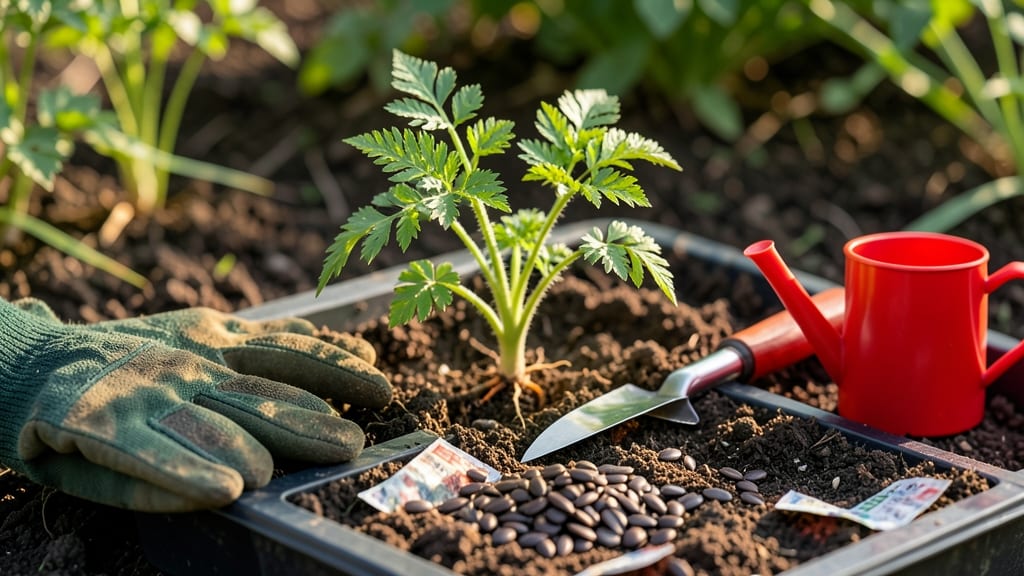
Timing your carrot planting in Idaho isn’t just about following a calendar—it’s about beating the state’s unpredictable swings from frost to drought. Get the soil temperature or frost dates wrong, and you’ll end up with bitter, stunted 🥕 instead of the sweet, crisp roots you’re dreaming of.
Idaho’s USDA zones 5b-7b create unique challenges, whether you’re in Boise’s high desert or the mountainous north. The key? Planting when soil reaches 50-60°F—too cold, and seeds rot; too hot, and they bolt.
Spring’s March 15-April 15 window and fall’s August 1-September 1 are your best bets, but regional tweaks matter.
This isn’t just theory—it’s how you double your harvest. I’ll break down the exact soil temps, frost-free deadlines, and even how to stretch Idaho’s short season with cold frames. Whether you’re a backyard gardener or a high-desert homesteader, these tips will save you seeds (and frustration).
Ready to grow perfect carrots that actually taste like summer? Let’s get into the details—because in Idaho, timing isn’t optional, it’s everything.
Idaho carrot planting calendar: exact soil temps & frost-free deadlines
Idaho’s diverse microclimates—from the high desert of Twin Falls to the mountainous regions around Coeur d’Alene—create unique challenges for growing carrots. Unlike warmer climates, Idaho’s USDA Zones 5b-7b demand precise timing to avoid frost damage or slow germination.
The key? Planting when soil temperatures hit 50-60°F and aligning with your local frost-free dates.
Most Idaho gardeners focus on two planting windows: spring and fall. Spring planting starts as early as mid-March in southern Idaho (like Boise) but waits until late April in higher elevations.
Fall planting begins in early August to ensure roots mature before the first frost, typically by mid-October. Missing these windows can leave you with bolted carrots or frozen seeds.
Soil temperature is your best indicator—carrot seeds won’t germinate below 50°F, and ideal germination occurs at 60-70°F. Use a soil thermometer to check depths of 1-2 inches, where seeds are planted. In Idaho’s high desert regions, days can warm quickly, while mountainous areas may lag weeks behind.
| Region | USDA Zone | Spring Planting Window | Fall Planting Window | Last Frost Date | First Frost Date |
|---|---|---|---|---|---|
| Boise | Zone 6b-7a | March 15 - April 15 | August 1 - September 1 | April 15 | October 15 |
| Twin Falls | Zone 7a-7b | March 1 - April 10 | July 30 - August 31 | April 5 | October 20 |
| Coeur d’Alene | Zone 5b-6a | April 15 - May 1 | July 15 - August 15 | May 10 | October 5 |
| Mountainous Areas (e.g., McCall) | Zone 4b-5a | May 1 - May 15 | July 1 - July 15 | May 20 | September 20 |
For Boise gardeners, aim to plant carrots between March 15 and April 15 for a spring crop. The soil should be workable and at least 50°F at a depth of 2 inches.
If you’re in Twin Falls, you can start slightly earlier—around March 1—thanks to the region’s warmer desert climate. Meanwhile, Coeur d’Alene and mountainous areas should wait until mid-April to avoid frost damage.
Fall planting is equally critical. In southern Idaho, you can push it as late as early September, but northern regions should finish by mid-August to ensure roots mature before the first frost.
Use a row cover or cold frame to extend the season by 2-3 weeks in both spring and fall.
Pro tip: Check the Almanac’s frost predictor for your specific location—Idaho’s frost dates can vary by 1-2 weeks from year to year. For example, Boise’s last frost might occur on April 15 one year but push to May 1 the next.
Planting too early risks frost damage, while waiting too long can lead to bolted carrots (bitter, flower-producing plants).
If you’re unsure about your exact frost dates, use the 50°F soil temperature rule as your guide. Carrot seeds are tiny and need consistent warmth to sprout. In Idaho’s high desert, daytime temperatures can fool you—always check the soil, not just the air temperature.
A soil thermometer is a $10 investment that saves hours of frustration.
For <
How to extend Idaho’s carrot growing season for year-round harvests
Idaho’s short growing season doesn’t mean you’re limited to a single carrot harvest. With the right strategies, you can stretch your planting windows and enjoy fresh carrots from late spring through fall.
The key lies in understanding how to protect seedlings from late frosts and delay harvests until first frost—without sacrificing quality.
Start by calculating your true last frost date, not just the average. Mountainous regions like Coeur d’Alene may see frost as late as May 20, while southern areas like Twin Falls can safely plant by April 1.
Use a cold frame or row covers to extend your season by 3-4 weeks on either end.
🌱 5 Proven Strategies for Extended Harvests
- 📅 Early Planting: Sow seeds under row covers 4-6 weeks before your last frost date to jumpstart growth.
- 🔥 Cold Frames: Use them to plant 2-3 weeks earlier in spring or extend harvests by 4 weeks in fall.
- 🌡️ Succession Planting: Sow new seeds every 2 weeks from April to July for a continuous supply.
- 🏔️ Elevation Adjustments: Add 1 week per 1,000 feet elevation to frost dates when planning.
- 🌿 Fall Protection: Cover crops with frost blankets to harvest until mid-October in most regions.
For succession planting, aim to stagger sowings every 2-3 weeks from April through July. This ensures a steady harvest while avoiding overcrowding. In high-desert areas, focus on short-season varieties (like ‘Early Nantes’) to mature before summer heat sets in.
Don’t forget about container gardening—it’s perfect for small spaces or rocky Idaho soil. Use deep pots (12+ inches) and place them in sheltered, sunny spots to maximize warmth. Containers warm up faster in spring, giving you an earlier start than in-ground planting.
To delay fall harvests, apply a thick mulch layer (straw or leaves) around plants in late September. This insulates roots and keeps them edible longer. In Zone 5b areas, you can even store harvested carrots in sand-filled containers in a cool garage for winter use.
With these tactics, you’ll turn Idaho’s short season into a year-round carrot celebration—no more waiting for a single harvest! 🥕