
Plants
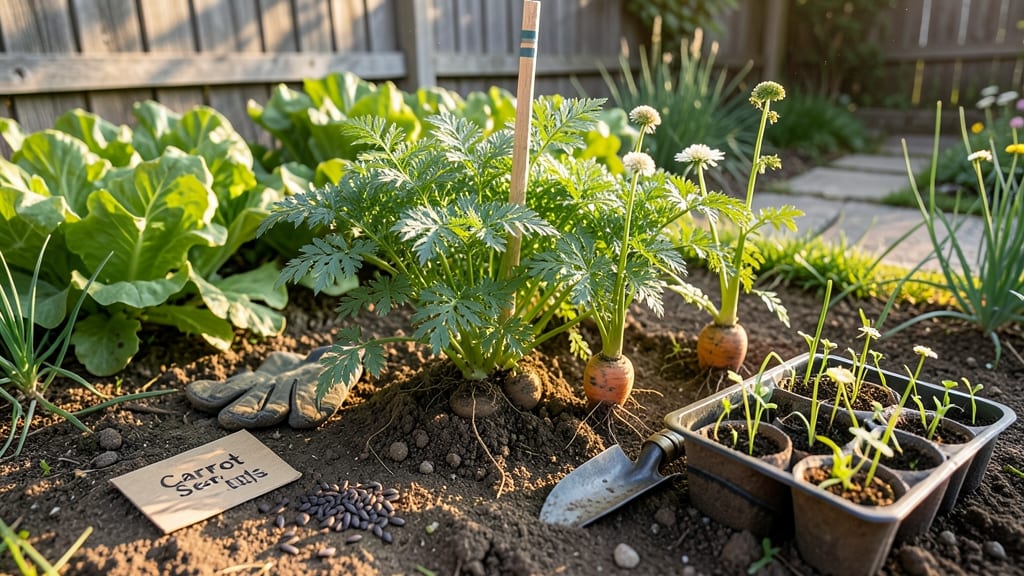
Timing your carrot planting in Vermont isn’t just about following a calendar—it’s about outsmarting the 5b zone’s short growing season and unpredictable frost dates. Skip the guesswork, and you’ll miss out on crisp, homegrown 🥕 that taste nothing like store-bought.
The key? Planting when soil hits 50°F and working with Vermont’s two prime windows: early spring and late summer.
Most gardeners in Vermont swear by sowing seeds between April 15 and June 15 for a summer harvest, but that’s just the start. Fall planting—July 15 to August 15—lets you enjoy sweet roots right through October before the first frost.
Whether you’re a first-timer or a seasoned grower, these dates align with Vermont’s frost-free window and soil conditions to maximize your yield.
Here’s the game-changer: succession planting in 3-week intervals after your initial sowing. This trick ensures a steady supply of fresh carrots all season long, even with Vermont’s cool climate.
I’ll walk you through exactly how to adjust for your specific microclimate—whether you’re in Chittenden County or Windham County—so you never waste seeds or space.
Ready to grow carrots that rival the ones at the farmers’ market? Let’s dive into the soil prep, frost dates, and variety choices that’ll turn your Vermont garden into a carrot powerhouse. No more second-guessing—just reliable, delicious results.
Best planting times for carrots in Vermont by soil temperature
Vermont’s cool climate and short growing season demand precision when planting carrots. Unlike warmer regions, timing isn’t just about frost dates—it’s about soil temperature. Carrots need soil that’s at least 50°F (10°C) to germinate properly.
In Vermont’s USDA Zone 5b, this means waiting until late April or early May for spring plantings.
Northern Vermont (e.g., Chittenden County) has cooler soils, so aim for May 1 as your cutoff for spring planting. Southern Vermont (e.g., Windham County) can start slightly earlier, around April 15, thanks to microclimates near the Connecticut River Valley.
Always check your last frost date—Vermont’s averages range from May 10 (north) to May 20 (south).
For fall harvests, plant between July 15 and August 15. This gives carrots time to mature before the first frost (October 5 in most areas). Use a soil thermometer to confirm warmth—carrots won’t germinate in cold soil, even if the air feels spring-like.
Pro tip: Succession planting every 2 weeks from May to July ensures a steady harvest. Vermont’s 155-day frost-free window is tight, so plan accordingly!
🌱 Vermont Carrot Planting Timeline by Soil Temp
| Season | Planting Window | Soil Temp Requirement | Notes |
|---|---|---|---|
| Spring | April 15–May 15 | 50°F+ (10°C+) | Use row covers for early starts |
| Summer | July 15–August 15 | 55°F+ (13°C+) | Best for fall harvests |
| Late Summer | August 20–September 1 | 60°F+ (16°C+) | Risky—may not mature before frost |
📅 Key: Adjust dates 1–2 weeks earlier for southern VT, later for northern VT.
If you’re planting in containers or raised beds, soil warms faster—you can start 2 weeks earlier than in-ground.
Test your soil’s warmth by pressing your hand into it; if it feels cool to the touch, wait a few more days. False springs are common in Vermont, so avoid rushing—carrots won’t forgive cold snaps.
For northern Vermont gardeners, consider cold frames or low tunnels to extend the season. These can add 2–3 weeks of warmth, letting you plant as late as June 1 for a fall harvest. Just monitor soil temps closely—carrots hate being too hot (85°F+ causes bolting).
Use NOAA’s Vermont frost maps (available online) to track your local trends. In Burlington, for example, the average last frost is May 15, while in Bennington, it’s May 25.
Tailor your planting to your specific microclimate—even a 5-mile elevation change can shift frost dates by a week.
Remember: Carrots are cool-season crops, but they won’t tolerate frost. If nighttime temps drop below 40°F (4°C), protect seedlings with floating row covers. This is especially critical in Vermont’s late May when temperatures can swing wildly between day and night.
For maximum yield, aim to harvest your first spring carrots by July 4 and your last fall carrots by October 15. This gives you a 3-month harvest window—perfect for fresh eating, storage, or preserving. Plan your succession plantings now to avoid gaps!
🌱 Pro Tip: Mark your calendar for April 15 (southern VT) and May 1 (northern VT) as your starting points. Adjust based on soil temps, not just dates!
Vermont-specific carrot varieties and their ideal planting schedules
Not all carrots thrive equally in Vermont’s cool climate. Choosing the right variety and planting it at the perfect time can mean the difference between crisp, sweet roots and bitter, stunted ones.
For example, ‘Danvers Half Long’ is my go-to for early spring plantings—it tolerates cooler soil and matures quickly in Vermont’s short season. Meanwhile, ‘Purple Haze’ shines in late summer, adding vibrant color to your fall harvest while handling mild autumn frosts.
Timing matters just as much as variety selection. In Vermont, I plant ‘Danvers’ between April 15 and May 1 for a summer harvest, while ‘Nantes’ gets its turn from May 15 to June 1.
For fall crops, I switch to ‘Paris Market’ (round and sweet) or ‘Chantenay’ (short and sturdy) between July 15 and August 15. These schedules align with Vermont’s 155-day frost-free window and ensure you avoid both spring and fall’s unpredictable weather.
🥕 Vermont Carrot Variety Planting Guide
| Variety | Best Planting Window | Days to Maturity | Vermont Tip |
|---|---|---|---|
| Danvers Half Long | April 15–May 1 | 60–70 days | Cold-hardy; ideal for early spring |
| Nantes | May 15–June 1 | 70–80 days | Sweet and tender; perfect for summer |
| Purple Haze | July 15–August 15 | 65–75 days | Frost-tolerant; great for fall harvests |
| Paris Market | June 1–July 15 | 50–60 days | Round and fast-growing; ideal for succession planting |
| Chantenay | July 15–August 15 | 60–70 days | Short and stout; handles rocky soil |
For a continuous harvest, I use succession planting every 3 weeks after my initial sowing. This means if I plant ‘Paris Market’ on June 1, I’ll follow up with another batch on June 22 and July 13.
This strategy ensures fresh carrots from July through October, even in Vermont’s unpredictable climate. Plus, it’s a great way to fill gaps if your first planting gets hit by a late frost or pest issue.
If you’re worried about Vermont’s short growing season, consider using row covers or cold frames to extend your harvest. I’ve had great success with ‘Purple Haze’ under a lightweight row cover in early October—it adds 2–3 extra weeks of harvest time before the first frost. Just
Pro tip: Always check your seed packet for Vermont-specific recommendations. Some varieties are bred for shorter days or cooler temperatures, which can make a big difference in your garden’s success. And if you’re new to growing carrots, start with ‘Danvers’ or ‘Nantes’—they’re forgiving and produce consistently in Vermont’s Zone 5b climate.