
Plants
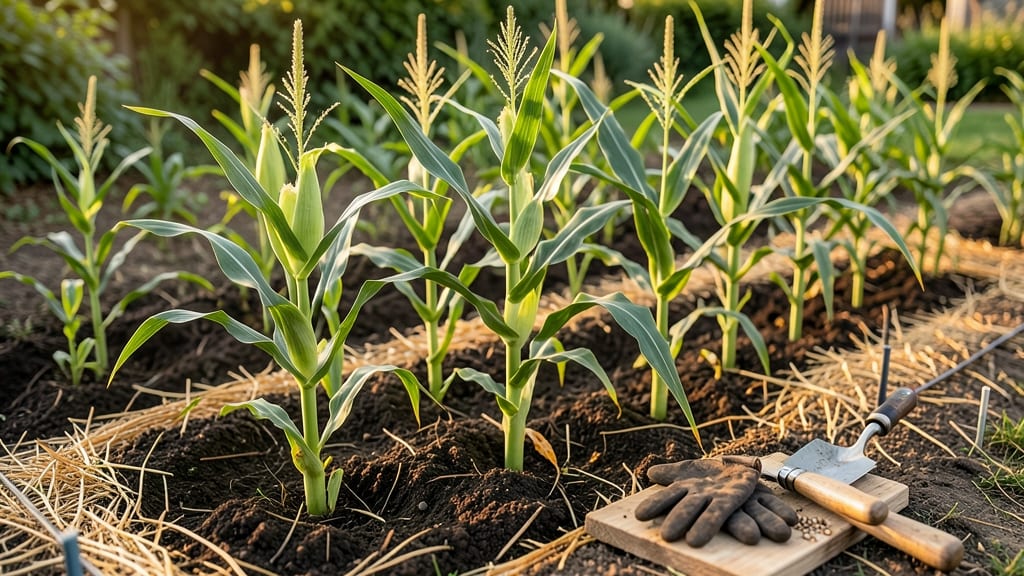
Timing your 🌽 corn planting in Connecticut isn't just about the calendar—it's about catching that sweet spot between frost and summer heat. Plant too early, and a late frost will turn your tender seedlings into sad, crispy snacks.
Wait too long, and you might end up with ears that never quite mature before the first chill of fall.
Most gardeners in USDA Zone 6a know the rules: aim for mid-April to late May after the last frost date, but there's more to it than just those dates. Soil temperature matters just as much—your seeds need that cozy 60°F mark to wake up and grow.
And let's not forget that Connecticut's microclimates can vary wildly from one town to the next.
This is where the real strategy comes in. Whether you're growing sweet corn for summer BBQs or field corn for next year's seeds, understanding your specific variety's needs and your local frost patterns is the key to a successful harvest.
I'll walk you through exactly how to time it right, so you can enjoy those golden ears from late July through October.
From adjusting for early, mid, and late-season varieties to avoiding common planting mistakes, we'll cover everything you need to know. Let's make sure your corn gets the perfect start—because in Connecticut, getting it right means the difference between a thriving garden and a frost-kissed disappointment.
Connecticut corn planting dates by soil temperature and variety type
Timing your corn planting in Connecticut depends on two critical factors: soil temperature and corn variety type. Sweet corn, field corn, and popcorn all have slightly different requirements, but they all need warm soil (50°F-60°F) to germinate successfully.
In Connecticut's USDA Zone 6a, the average last frost date is around April 15, but soil may not be ready until late April or early May.
For sweet corn, which is the most common type for home gardens, aim to plant when soil temperatures consistently reach 60°F at a depth of 4 inches.
This usually falls between mid-April and early May in most of Connecticut, but western regions (like Danbury) warm up faster than coastal areas (like New London). Always use a soil thermometer to confirm readiness—cold soil can delay germination by weeks.
Field corn and popcorn varieties are more cold-tolerant, so you can plant them 1-2 weeks earlier than sweet corn. However, these types are less common in home gardens, so most Connecticut gardeners focus on early-, mid-, and late-maturing sweet corn varieties to stagger harvests.
Let’s break down the best planting windows for each variety type in the table below.
| Variety Type | Ideal Planting Window (CT) | Soil Temp Requirement | Maturity Group | Notes |
|---|---|---|---|---|
| Sweet Corn | Mid-April to early May | 60°F+ (4" depth) | Early (75-85 days), Mid (85-95 days), Late (100+ days) | Plant early varieties first; stagger mid/late for continuous harvest. |
| Field Corn | Late April to mid-May | 55°F+ (4" depth) | 90-120 days | More cold-hardy; better for northern CT regions. |
| Popcorn | Early May to early June | 60°F+ (4" depth) | 90-110 days | Needs longer growing season; plant after last frost. |
🌽 Pro Tip: Use black plastic mulch to warm soil faster and extend your planting window by 1-2 weeks.
If you’re planting in western Connecticut (e.g., Hartford, Waterbury), you can start as early as late April because these areas warm up faster. However, coastal regions (e.g., Groton, New Haven) may need to wait until early May due to slower soil warming.
Always check the Connecticut Agricultural Experiment Station’s frost forecasts for real-time updates, as late springs aren’t uncommon.
Another key factor is succession planting. Since corn has a 60-120 day harvest window, planting early, mid, and late varieties 1-2 weeks apart ensures you have fresh ears throughout the summer.
For example, plant ‘Early Sunglow’ (75 days) in late April, ‘Silver Queen’ (90 days) in early May, and ‘Peaches and Cream’ (110 days) in mid-May. This strategy maximizes your harvest before Connecticut’s first frost in mid-October.
For direct sowing (the preferred method for corn), plant seeds 1 inch deep and 4-6 inches apart in rows spaced 30-36 inches apart. Corn thrives in well-draining, fertile soil with a pH of 6.0-7.0.
Before planting, amend your soil with compost or aged manure to improve fertility. Avoid planting corn in the same spot year after year, as it depletes soil nutrients and increases pest risks.
One common mistake is waiting for air temperature to warm up instead of monitoring soil temperature. Air temps can be misleading—even if daytime highs reach 70°F, soil may still be too cold for germination.
Use a soil thermometer (available at garden centers for under $10) to check temperatures at 4-inch depth in the morning. If it’s below 55°F, wait a few more days.
Finally, consider microclimates in your yard. South-facing slopes warm up faster than shaded or low-lying areas. If your garden has partial shade, opt for shorter varieties like ‘Bodacious’ (5-6 ft tall) or plant in the sunniest spot possible.
Corn is a heavy feeder, so prioritize locations with full sun (6+ hours daily) and good air circulation to prevent fungal diseases like corn smut.
With the right timing and variety selection, you can enjoy a bountiful corn harvest from late July through September—just in time for summer barbecues! 🌽
How to adjust planting timing for early, mid, and late corn varieties in CT
Adjusting your corn planting schedule based on maturity groups is the secret to avoiding summer heat stress and maximizing yield in Connecticut’s short growing season.
Early varieties (80-90 days) are your best bet for early spring planting, while late varieties (100-120 days) need precise timing to mature before frost.
Start by checking your last frost date—typically April 15 in most of CT. For early varieties, sow seeds as soon as soil warms to 50°F (around mid-April in southern CT). In northern regions, wait until late April or early May when soil consistently reaches 60°F.
For mid-season varieties (90-100 days), aim for late April to early May planting. These varieties need 100+ frost-free days to mature, so don’t plant them after May 15 unless you’re in a warm microclimate like New Haven or Fairfield.
🌽 Corn Variety Planting Timeline for CT
| Variety Type | Planting Window | Soil Temp | Days to Maturity |
|---|---|---|---|
| Early (e.g., 'Silver Queen') | Mid-April to early May | 50–55°F | 80–90 days |
| Mid (e.g., 'Ambrosia') | Late April to mid-May | 55–60°F | 90–100 days |
| Late (e.g., 'Peaches & Cream') | Early to mid-May | 60°F+ | 100–120 days |
Late varieties (100+ days) require early May planting to avoid frost. If you’re in Zone 6a (most of CT), stick to mid-season or early varieties unless you’re willing to risk heat stress or ear rot from late-summer humidity.
For succession planting, sow new rows every 2 weeks from mid-April to early June. This ensures a continuous harvest from late July to early October. Space your plantings so that ear formation doesn’t overlap—corn needs consistent pollination for sweet kernels.
Pro tip: Use black plastic mulch to warm soil faster in early plantings, or try row covers to protect young plants from late frosts. Monitor your garden’s microclimate—south-facing beds warm up faster than shady spots, so adjust timing accordingly.