
Plants
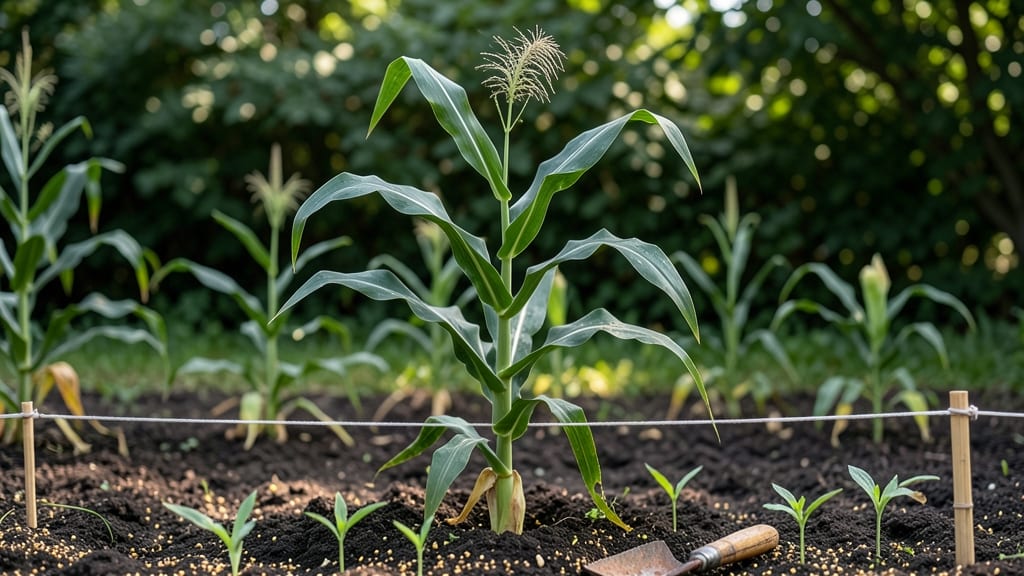
Timing your corn planting in Zone 5 could mean the difference between a bountiful harvest of sweet 🌽 and a sad, frost-bitten disappointment. The key isn't just waiting for spring—it's understanding your soil's hidden secrets and the frost-free window that determines whether your seeds will thrive or fail.
Most gardeners in Zone 5 know the general rule: plant after the last frost, usually between late April and mid-May. But what they don't always realize is that soil temperature plays just as big a role as the calendar.
Corn needs that ground to warm up to at least 50-60°F before seeds will germinate reliably—and waiting for the right moment can save you from weeks of frustration.
In this guide, I'll break down exactly when to plant your corn for the best results, how to adjust for early or late varieties, and the simple tricks to protect your crop if Mother Nature throws a curveball.
Whether you're a first-time gardener or a seasoned pro, these insights will help you grow corn that's taller, sweeter, and more abundant than ever before.
Ready to turn your backyard into a cornfield that even the neighbors will envy? Let's get started with the perfect planting timeline for Zone 5 success.
Ideal soil temperature and frost-free timeline for planting corn in Zone 5
Corn thrives when planted after the last frost date in Zone 5, but soil temperature matters just as much. For reliable germination, aim for 50-60°F soil temps—any colder, and seeds may rot or fail to sprout.
In my experience, this usually aligns with late April to mid-May in most Zone 5 regions, but local microclimates can shift this window by 1-2 weeks.
Zone 5's average last frost date falls around mid-April, but don't rush—corn needs 90-120 days of warm weather to mature. Planting too early risks frost damage to young plants, while waiting too long may leave you with immature ears before the first frost in mid-October.
The key is balancing these timelines with your specific corn variety's maturity rate.
| Factor | Zone 5 Specification | Actionable Tip |
|---|---|---|
| Soil Temperature | 50-60°F minimum | Use a soil thermometer to verify—wait if below 50°F |
| Last Frost Date | Mid-April (varies yearly) | Check local almanac for 3-year averages |
| Frost-Free Window | 160 days | Count backward from first frost (mid-October) |
| Ideal Planting Window | Late April–mid-May | Adjust 1 week earlier for early varieties |
| Heat Unit Requirement | 2,500–3,000 GDD | Use online calculators for your specific location |
To pinpoint your exact planting window, I recommend checking the USDA Plant Hardiness Zone Map for your specific location within Zone 5. For example, Chicago (Zone 5b) typically has a later frost date than Boston (Zone 5a), meaning corn can be planted 1-2 weeks earlier in Illinois.
Always verify with your local cooperative extension service—they provide hyper-local frost data that's gold for gardeners.
For those eager to extend the season, consider using black plastic mulch or row covers to warm the soil by 2-4°F. I've seen gardeners in colder microclimates plant corn in early April with these tools and still achieve good yields.
Just be prepared to remove covers once plants emerge to prevent overheating. The goal is to reach that 50°F soil threshold consistently for at least 10 days before planting.
Pro tip: Plant a test row 1-2 weeks early to gauge soil warmth. If the test row thrives, your main planting can follow. If it struggles, wait another week.
This simple trick has saved me from multiple failed corn plantings in cooler-than-average springs. Patience here pays off with stronger, more resilient plants.
One common misconception is that corn can handle cooler soils, but nothing could be further from the truth. Seeds need that 50-60°F range to activate enzymes that trigger germination. Below 50°F, seeds may rot in the ground, while above 60°F, they'll sprout too quickly and become vulnerable to cold snaps.
Strike that balance, and you're on your way to a cornucopia of ears.
Finally, keep an eye on your local weather forecasts in the weeks leading up to planting. A sudden cold snap can push back your window significantly.
I've had to delay planting by 3 weeks in some years when unseasonably cold weather lingered. Flexibility is key—don't get married to a specific date.
Ideal soil temperature and frost-free timeline for planting corn in Zone 5
Corn seeds in Zone 5 won't germinate until your soil reaches a steady 50-60°F. That means waiting for the ground to warm up—even if your air temperatures feel spring-like.
I've learned the hard way that planting too early when soil is still cold leads to seeds that rot in the ground instead of sprouting.
Most Zone 5 gardeners should aim to plant corn between late April and mid-May, but this varies by year. The key is tracking your last frost date (typically around April 15) and adding 2-3 weeks to ensure your plants have time to mature before fall frosts arrive in mid-October.
Here's what you need to know about the perfect planting window for Zone 5 corn:
| Stage | Action | Zone 5 Timeline |
|---|---|---|
| Soil Warm-Up | Wait for 50-60°F soil | Late April to early May |
| Planting Window | Sow seeds 1" deep | Mid-April to mid-May |
| Germination | 7-14 days at warm temps | Late April to early June |
| Harvest Window | 90-120 days after planting | Late July to September |
For the most accurate timing, check your local USDA Plant Hardiness Zone map and add 2-3 weeks to your last frost date. I always double-check with my local cooperative extension service for year-specific recommendations—they often have the most precise data for your microclimate.
Pro tip: If your soil stays cold longer than expected, consider using black plastic mulch or row covers to warm the soil faster. I've seen this method add 1-2 weeks to your planting window without risking frost damage.
Remember, corn needs a 120-day growing season minimum to mature. If you're planting late varieties, start your seeds indoors 2-3 weeks before your last frost date to give them a head start.