
Plants
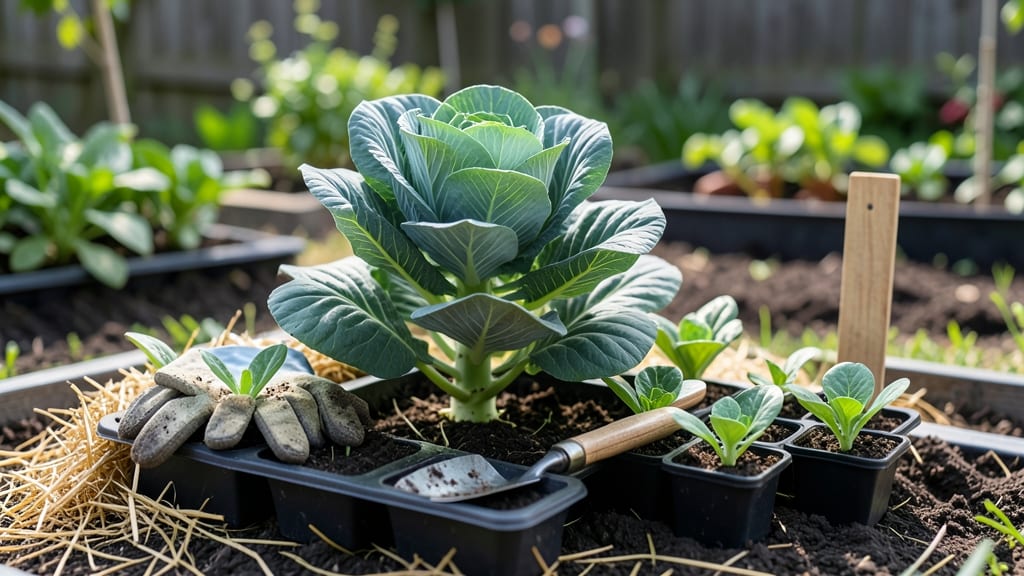
Timing your cabbage planting in Kentucky could mean the difference between a bountiful harvest and a sad, wilted disappointment. With frost dates that shift unpredictably and soil that needs to be just right, getting it wrong can leave you scratching your head come summer.
I’ve learned the hard way that Kentucky’s spring planting window is narrow—too early, and frost zaps your seedlings; too late, and you miss the sweet spot for crisp, flavorful heads.
But don’t worry, because once you master the soil warmth and frost date rules, you’ll be harvesting cabbage like a pro from early summer through fall.
Whether you’re growing Golden Acre for quick harvests or Red Express for heat tolerance, I’ll break down the exact months to plant, how to prep your soil, and even how to stretch your season with simple tricks. Let’s get your Kentucky garden on track for a cabbage feast!
Ready to avoid the common mistakes that ruin cabbage crops? You’ll learn how to time your plantings perfectly, so you’re not left with half-sized heads or bolting plants. Let’s dive in!
Kentucky cabbage planting calendar: frost dates & soil warmth guidelines
Timing your cabbage planting in Kentucky hinges on two critical factors: soil temperature and frost dates. The Bluegrass State’s USDA Zones 6-7 mean you can grow cabbage in both spring and fall, but getting the timing wrong risks bolting (premature flowering) or frost damage.
Let’s break down the ideal windows for your region.
For spring cabbage, aim to plant 4-6 weeks before your last frost date.
In Kentucky, this typically falls between March 15 and April 15, depending on microclimates. Soil must reach 50°F+ for seeds to germinate—use a soil thermometer to check if unsure. Transplants (purchased seedlings) can handle slightly cooler soil (45°F+), giving you a 2-week flexibility.
Here’s where Kentucky’s frost dates come into play: The average last spring frost occurs around April 15–May 1, but don’t rely on averages. Monitor local forecasts and plant cold-hardy varieties like ‘Early Jersey Wakefield’ if late frosts threaten.
For fall cabbage, start seeds 8-10 weeks before your first frost (typically August 15–September 15), ensuring heads mature before October’s chill.
🌱Pro Tip: Use black plastic mulch to warm soil faster in spring or floating row covers to protect fall plants from early frosts. Both tricks can extend your growing season by 2-3 weeks.
| Season | Planting Window | Soil Temp | Frost Risk | Action |
|---|---|---|---|---|
| Spring | March 15–April 15 | 50°F+ | High (last frost) | Plant seeds or transplants |
| Spring (Transplants) | April 1–May 1 | 45°F+ | Moderate | Hardier varieties |
| Fall | August 15–September 15 | 60°F+ | High (first frost) | Start seeds early |
| Fall (Transplants) | September 1–October 1 | 55°F+ | Low | Use row covers |
Kentucky’s microclimates can shift planting windows by 1-2 weeks. For example, Northern KY (Zone 6) may need to wait until April 15 for spring planting, while Southern KY (Zone 7) can start as early as March 1.
Check your local cooperative extension service for hyper-local advice—tools like the Kentucky Mesonet track real-time soil temps.
If you miss the spring window, don’t despair! Succession planting every 2 weeks ensures a steady harvest. For fall, prioritize heat-tolerant varieties like ‘Crimson Love’ to avoid bolting from late-summer heat. Always plant 18–24 inches apart to prevent disease and improve air circulation.
🌡️Soil Prep Tip: Amend your soil with compost before planting—cabbage thrives in pH 6.5–6.8. Test your soil in early spring to adjust lime or sulfur as needed.
Finally, keep an eye on weather forecasts in late summer. If a heatwave hits after planting, provide shade cloth to protect seedlings. With these guidelines, you’ll enjoy crisp, homegrown cabbage from June through November.
☀️Remember: Kentucky’s summer heat can stress cabbage, so always water deeply in the morning to reduce fungal risks.
Best cabbage varieties for Kentucky’s climate & their ideal planting times
Kentucky’s diverse climate—from the humid Bluegrass Region to the cooler Appalachian foothills—means not all cabbage varieties thrive equally. Heat-tolerant types like ‘Red Express’ handle summer’s humidity better, while early-maturing varieties like ‘Golden Acre’ avoid bolting in late summer. Choosing the right type ensures a successful harvest without wasted effort.
For spring harvests, plant ‘Golden Acre’ or ‘Early Jersey Wakefield’ 4–6 weeks before your last frost (typically March 15–April 1 in Kentucky).
These varieties mature in 55–65 days, perfect for early tables. Fall plantings should focus on ‘Red Express’ or ‘Brauner Treib’, which tolerate cooler temps and mature in 70–80 days.
Succession planting is key to continuous yields. In Kentucky, stagger seedlings every 2 weeks from April through June for summer harvests, and again in August for fall crops. This prevents gaps in your fresh cabbage supply and maximizes garden space.
| Variety | Best Planting Time | Days to Maturity | Kentucky Notes |
|---|---|---|---|
| Golden Acre | March 15–April 15 | 55–65 days | Early harvest; avoid summer heat |
| Red Express | April 15–June 1 | 70–80 days | Heat-tolerant; great for summer |
| Brauner Treib | August 1–September 1 | 60–70 days | Cold-hardy; ideal for fall |
Avoid planting late-season varieties like ‘Late Flat Dutch’ in Kentucky’s heat. These need cool temps to mature and often bolt by August. Instead, opt for heat-resistant hybrids or focus on fall plantings after July 15 to escape summer’s peak.
For container gardening, choose compact varieties like ‘Miniature Peanut’, which mature in 60 days and thrive in 5-gallon pots. This is ideal for urban gardeners or those with limited space. Just ensure containers have drainage holes to prevent root rot.
Direct sowing seeds is cheaper but slower. For faster results, buy transplants from local nurseries in late April or early August. Harden off seedlings for 7–10 days before planting to reduce transplant shock.
🌱