
Plants
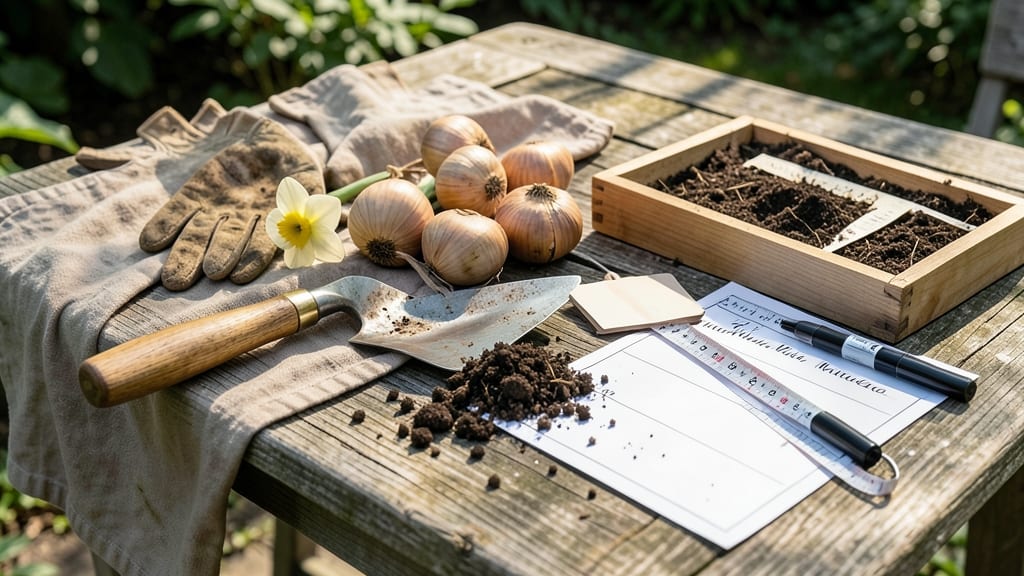
Timing when to plant bulbs in Portland, Oregon just right is the secret to vibrant blooms that greet spring with color. The 8a climate here means you’ve got a narrow window—plant too early, and your bulbs might rot; too late, and they’ll miss the frost-free growing season.
Most gardeners in Portland swear by September through November as the perfect time to tuck those bulbs into the soil. But here’s the catch: not all bulbs play by the same rules.
Daffodils and crocuses are early birds, while tulips and hyacinths need a little more chill time before they’re ready to bloom.
If you’ve ever stared at a bag of bulbs wondering, “Should I plant these now?”, you’re not alone. I’ll break down exactly when to plant each type, how to prep your soil for Portland’s clay-heavy earth, and even how to protect your investment from slugs and winter rain.
By the end, you’ll know precisely when to dig, how deep to bury those 🌷, and what to do after the last frost—so your garden becomes the talk of the neighborhood next spring.
Portland’s frost dates by Zone: exact timing for spring and fall bulb planting
Portland’s USDA Zone 8a/8b climate creates a narrow window for planting bulbs, where timing can mean the difference between vibrant spring blooms and wasted investments. The last average frost date typically falls between April 15–May 1, while the first frost usually arrives October 15–November 1.
These dates dictate when to plant spring-flowering bulbs (like tulips and daffodils) in fall and when to avoid planting too early or late.
Microclimates within Portland further complicate timing. The Willamette Valley tends to stay warmer longer, while East Portland hills and higher elevations may experience frost 2–3 weeks earlier.
Always check your specific location’s frost history—local garden centers or the Oregon State University Extension Service can provide tailored data for your neighborhood.
For spring-flowering bulbs, aim to plant 6–8 weeks before the ground freezes. In Portland, this means starting as early as mid-September for hardy varieties like crocuses and alliums, but most bulbs (tulips, daffodils, hyacinths) should go in by late October.
Planting too early can lead to premature sprouting and frost damage, while waiting too long may prevent roots from establishing before winter.
Fall-planted bulbs need time to develop roots before the ground freezes solid. In Zone 8a, this means finishing by November 1 in most areas, but earlier in cooler microclimates. Use a soil thermometer to ensure the ground temperature stays above 40°F (4°C) for at least 4–6 weeks after planting.
If you’re unsure about your local frost dates, use Portland’s historical averages as a guideline but stay flexible. For example, the 2020 late-season frost in early May caught many gardeners off guard. To hedge your bets, plant crocuses and snowdrops—they’re the most frost-tolerant and can handle early cold snaps.
For spring-planted bulbs (like caladiums or cannas), wait until after the last frost (mid-May) and only plant varieties that thrive in Zone 8b’s heat. These bulbs need warm soil to sprout, so avoid planting until the ground temperature consistently stays above 60°F (15°C).
Use a planting calendar or mark your calendar with these key dates:
- September 15: Start planting hardy bulbs (crocuses, alliums).
- October 15: Ideal window for tulips, daffodils, hyacinths.
- November 1: Final deadline before winter sets in.
Portland’s rainy winters can also delay planting if the soil stays soggy. If your garden is waterlogged, wait until the ground drains or plant in raised beds with well-draining soil. Amend heavy clay soil with compost or sand to improve drainage and root development before planting.
Pro tip: If you miss the fall planting window, you can still plant bulbs in early December for varieties like tulips, but success rates drop significantly. For best results, stick to the ideal September–October window and prioritize frost-hardy bulbs if you’re planting late.
Best bulbs to plant in Portland: variety-specific planting months and care tips
Portland’s mild but rainy climate rewards gardeners who choose the right bulb varieties and plant them at the perfect time. Unlike hotter climates, fall planting is critical—most spring-flowering bulbs need 6-8 weeks to establish roots before winter. Here’s my proven schedule for top-performing bulbs in Portland’s USDA Zone 8a/8b.
Start with daffodils (Narcissus), the most reliable choice. Plant them in October–November when soil temps drop below 60°F. Their pest resistance makes them ideal for Portland’s slug-heavy gardens. For tulips (Tulipa), aim for October–early December—later plantings risk rot in our wet winters.
📏 Depth: 6–8" (2x bulb height)
☀️ Sun: Full sun to partial shade
📏 Depth: 6–8" (avoid clay pockets)
💧 Tip: Add grit to heavy soil
📏 Depth: 4–6" (shallow for quick sprouting)
🛡️ Bonus: Deer-resistant
📏 Depth: 3–4" (tiny bulbs!)
❄️ First: Bloom through snow
📏 Depth: 6–8" (cluster 3–5 bulbs)
🌹 Fragrance: Intense sweet scent
For all bulbs, amend heavy clay soil with compost or sand to prevent rot. Daffodils and alliums thrive in partial shade, while tulips and hyacinths need full sun for best blooms. Mulch with straw or leaves after planting to insulate bulbs through Portland’s wet winters.
Pro tip: Plant in layers—add crocuses first (they’re tiny), then tulips, daffodils, and finally alliums on top. This creates a stunning spring progression from early crocuses to late alliums. Just remember: No fertilizer until spring—bulbs need to rest after planting.
If you’re new to bulbs, start with daffodils and crocuses—they’re the most forgiving in Portland’s unpredictable weather. Once you’ve mastered timing, experiment with rare varieties like Spanish bluebells (Hyacinthoides) or fritillaries for a unique twist. Just plant them 6–8 weeks before frost, and you’ll be golden.
✂️ After blooming, let foliage die back naturally—it fuels next year’s flowers. For tulips, remove spent blooms but leave leaves until they brown completely. This simple step ensures stronger blooms next spring.