
Plants
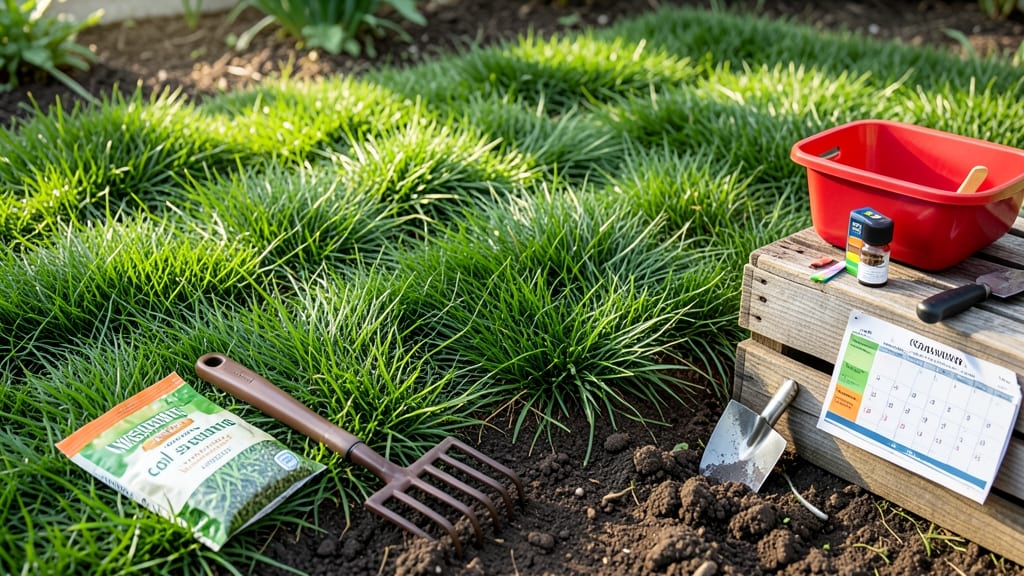
If you're wondering when is the best time to plant grass in Wisconsin, timing is the secret weapon for a thick, green lawn that survives the state's wild swings from frost to heat.
The wrong window means wasted seed or stunted growth, while the perfect moment gives your 🌱 grass a fighting chance to establish strong roots before winter hits.
Wisconsin's climate—especially zones 4a-6b—demands precision. Plant too early, and frost will nip your seedlings in the bud. Too late, and summer's heat will stress young grass before it can take hold.
The sweet spot? Early spring (April) or early fall (September), when soil temperatures hover between 50°F and 65°F and the ground is workable but not waterlogged.
But here's the kicker: Wisconsin's microclimates mean your neighbor's ideal timing might not work for you. Northern areas like Green Bay need to wait longer for frost-free soil, while Madison can often start planting 2-3 weeks earlier.
I'll break down exactly how to read your local conditions—so you don't guess, you know.
Ready to skip the trial-and-error? Let's dive into the exact soil temps, frost-free deadlines, and grass types that thrive in Wisconsin's seasons—so you can plant with confidence and watch your lawn transform from patchy to picture-perfect.
Wisconsin grass planting timeline by Zone: soil temperature & frost-free deadlines
Wisconsin’s USDA hardiness zones 3-5 mean your grass planting window depends heavily on when the soil warms and when frost arrives. In northern Wisconsin (Zone 3-4), the window is shorter—just 4-6 weeks—while southern Wisconsin (Zone 5) offers a more flexible 8-10 weeks for planting.
Timing isn’t just about months; it’s about soil temperature and frost-free deadlines.
For a successful grass lawn, aim to plant when soil temperatures consistently reach 50-65°F. This usually happens in late April to early May in most of Wisconsin, but early April works in Zone 5 (southern Wisconsin).
Fall planting is ideal in September, giving grass roots time to establish before winter. Missing these windows risks frost damage or summer heat stress.
Here’s how Wisconsin’s three main zones break down for planting:
*Frost-free deadlines vary by year; check local forecasts for accuracy.
In Zone 3, where winters are harshest, I recommend focusing on fall planting—it gives grass roots a head start before winter. For Zone 5, you have more flexibility, but avoid planting in July or August when heat can stress young grass.
Always check your last frost date (usually mid-April in the north, early April in the south) and count 4-6 weeks backward for spring planting.
Wisconsin’s microclimates can shift planting windows by 2-4 weeks. For example, areas near Lake Michigan (like Sheboygan or Milwaukee) may have warmer springs and later frosts, while inland regions (like Eau Claire) can be cooler and frostier.
Use a soil thermometer to confirm readiness—50°F is the magic number for seed germination.
If you miss the ideal window, don’t panic! Cool-season grasses (like Kentucky bluegrass or tall fescue) can handle late spring plantings as long as soil is warm. Just be prepared for slower establishment and more weed competition during hot summer months.
For a guaranteed lush lawn, stick to the soil temperature rule and frost-free deadlines.
Pro tip: Use frost cloth or row covers to extend your spring planting window by 2-3 weeks if a late frost threatens. This is especially helpful in Zone 3 and 4, where frost can linger into May.
Just remove covers during the day to let sunlight warm the soil.
For fall planting, aim to finish 6-8 weeks before the first frost. In Wisconsin, this means early September in the north and late September in the south. Fall-planted grass often outperforms spring plantings because it establishes roots before winter, making it drought-resistant and weed-competitive the following spring.
To stay on track, bookmark the Wisconsin State Climatology Office or use apps like Old Farmer’s Almanac for real-time frost forecasts. Local Cooperative Extension offices (like UW-Madison) also offer free planting guides tailored to your county.
Don’t let Wisconsin’s weather fool you—timing is the key to a thriving lawn.
How to check soil temperature & prepare for planting in Wisconsin’s climate
Before you even think about spreading grass seed, you must check your soil temperature—this is the #1 factor Wisconsin gardeners overlook. Cool-season grasses like Kentucky bluegrass and fine fescue need soil between 50°F and 65°F to germinate properly.
Colder soil slows growth, while warmer soil can cause seed to dry out before sprouting. Grab a soil thermometer (they’re cheap and worth it) and test at a 4-inch depth—this mimics where seeds will settle.
Pro tip: Test in the late afternoon when soil is warmest. If your thermometer reads below 50°F, wait a week or two—rushing leads to patchy germination.
In northern Wisconsin (zones 4a-4b), this might mean waiting until late April or early May, while southern Wisconsin (zones 5a-6b) can start as early as mid-to-late March.