
Companion Plants
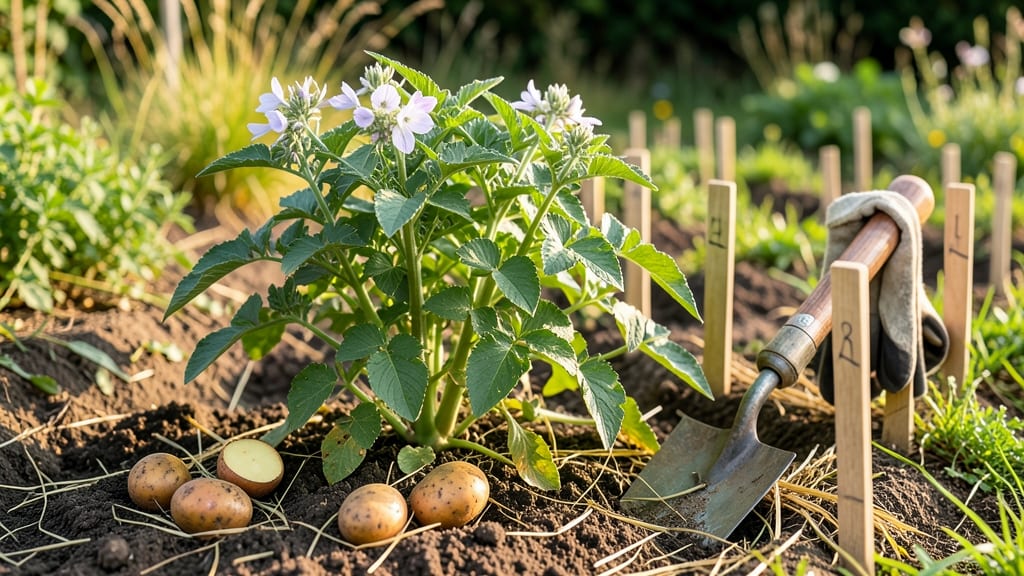
Knowing when to plant potatoes in Michigan can mean the difference between a thriving garden and a wasted effort—especially when frost dates shift every year.
Whether you're growing crisp Yukon Golds or earthy Fingerlings, timing is everything in USDA zones 5b to 6b, where late spring frosts can still sneak in.
Most gardeners in Michigan wait until mid-April to early June, but the real secret lies in soil temperature and variety type. Early potatoes need to go in as soon as the ground reaches 45°F, while late varieties can handle a slightly cooler start.
I’ll break down exactly how to match your 🥔 variety to Michigan’s frost-free window for foolproof results.
Beyond just dates, you’ll learn how to prep your soil, protect seedlings from unexpected cold snaps, and even stretch your harvest with succession planting. Let’s make sure your spuds get off to the right start—because nobody wants to dig up a frozen mess in October!
Ready to turn Michigan’s growing season into your potato-growing advantage? I’ll walk you through every step, from chitting your seed potatoes to knowing when to harvest for that perfect 2-3 inch tuber. Your garden’s about to get a whole lot more productive.
Michigan potato planting dates by frost zone and variety type
Michigan’s USDA zones 5b-6b create unique challenges for potato growers—late spring frosts can delay planting while short summers demand precise timing. The key is aligning your potato variety with your last frost date, which typically ranges from mid-April in southern Michigan to early May in the Upper Peninsula.
Early varieties like Red Pontiac thrive with earlier starts, while Yukon Gold and fingerlings need warmer soil (at least 45°F) to prevent rot.
Soil temperature matters more than air temperature—cold soil slows sprouting, even if frost isn’t in the forecast. Use a soil thermometer to confirm readiness.
In southern Michigan (zones 6a-6b), you can plant as early as late March to early April under row covers, while northern regions (zones 5a-5b) should wait until mid-May to avoid frost damage. Always check your local Michigan State University Extension frost calendar for updates.
Here’s how to match your variety to Michigan’s frost zones for maximum success:
| Variety Type | Days to Maturity | Best Planting Window (Michigan) | Soil Temp Threshold | USDA Zone Fit |
|---|---|---|---|---|
| Early Varieties (Red Pontiac, Kennebec) | 60-90 days | Late March–early April (under cover) or mid-April (outdoors) | 40°F+ | 5b–6b (all zones) |
| Mid-Season (Yukon Gold, Russet) | 90-110 days | Mid-April–early May (after last frost) | 45°F+ | 6a–6b (southern MI) |
| Late Varieties (Purple Viking, Fingerlings) | 110-130 days | Early May–mid-May (northern MI) | 50°F+ | 5a–5b (UP/northern MI) |
| New Potatoes (Red Norland) | 50-70 days | Late April–early June (succession plant) | 42°F+ | 5b–6b (all zones) |
For southern Michigan gardeners, aim to plant 4-6 weeks before your last frost date—this gives early varieties enough time to mature before summer heat sets in. In the Upper Peninsula, where summers are shorter, focus on early-maturing varieties like LaSoda or Chieftain to avoid premature frost.
Pro tip: Use black plastic mulch to warm soil faster in cold zones.
Michigan’s first frost typically arrives in mid-October to early November, so plan to harvest by late September for most varieties. Late varieties like Purple Viking (120 days) need to be planted by early May in northern zones to avoid frost.
Always account for a 2-3 week buffer after your expected harvest date to complete curing and storage prep.
Don’t forget about succession planting! In southern Michigan, you can plant new potato varieties every 2-3 weeks from late April through early June for a continuous harvest. This works especially well for Red Norland, which matures in just 50-70 days.
Just ensure each planting has enough time to reach maturity before your first frost.
Local microclimates play a huge role—gardens near Lake Michigan may experience 2-3 weeks earlier last frost dates than inland areas. Use a frost-free date map from the Midwest Regional Climate Center to fine-tune your schedule.
For example, Traverse City (zone 5b) might see its last frost by May 15, while Detroit (zone 6b) could be frost-free by April 20.
If you’re unsure about your exact frost date, use the "10-day rule": Wait until 10 days after your average last frost date to plant outdoors. This accounts for unexpected late frosts. For added protection, keep row covers or frost blankets handy for the first 2-3 weeks after planting.
Finally, consider chitting your seed potatoes 4-6 weeks before planting. Place them in a cool, bright spot (like a sunny windowsill) with the rose end up—this encourages early sprouting and gives you a head start on the season. Just avoid direct sunlight, which can turn sprouts green (and bitter).
Step-by-step guide to planting potatoes in Michigan’s climate
Planting potatoes in Michigan isn’t just about waiting for the calendar to say "spring"—it’s about reading your soil and knowing your local frost patterns.
Since Michigan’s USDA zones 5b-6b can swing from freezing to 80°F in a week, I’ve broken this down into actionable steps to keep your 🥔 crop thriving. Start by testing your soil temperature—it should hit 45°F at least 4-6 inches deep before planting.
For gardeners in the Lower Peninsula, aim to plant early varieties (like Red Pontiac) in mid-April, while late varieties (like Yukon Gold) can go in as late as early June.
In the Upper Peninsula, where frost lingers longer, push planting back to late May to avoid cold snaps. My rule of thumb? Plant when your dandelions bloom—they’re nature’s frost predictor!
Here’s how to time it perfectly, step by step:
Place seed potatoes in a bright, cool spot (50-60°F) 4-6 weeks before planting. Sprouts ("chits") should be ½-inch long—this jumpstarts growth when soil warms.
Loosen soil to 12 inches deep and mix in compost or aged manure. Potatoes hate soggy soil—amend clay with sand if needed. Aim for a pH of 5.0-6.5 for optimal tuber formation.
Bury chitted potatoes 4 inches deep, with sprouts facing up. Space them 12 inches apart in rows 3 feet apart to allow for hilling later. Use black plastic mulch in cold zones to warm soil faster.
When foliage reaches 6 inches tall, mound soil around stems to 8 inches deep. Repeat every 2 weeks—this prevents greening (toxic solanine) and encourages larger tubers. Use a hoe or shovel for this.
If a 28°F frost is forecast after planting, cover rows with frost cloth or straw mulch. Remove covers when temps rise above 50°F to avoid overheating. For extra insurance, plant late varieties in June—they’ll mature before fall frosts.
Pro tip: If you’re in southern Michigan (zone 6b), you can squeeze in a second planting of fast-maturing varieties like Kennebec in early June for a late-summer harvest. Just be ready to harvest by early October before the first frost hits! 🌱
Water deeply after planting, then keep soil consistently moist (but not soggy) until harvest. Avoid overhead watering to prevent blight, and always water in the morning so foliage dries quickly. With these steps, you’ll turn Michigan’s short growing season into your advantage—no more digging up frozen spuds! ✂️