
Plants
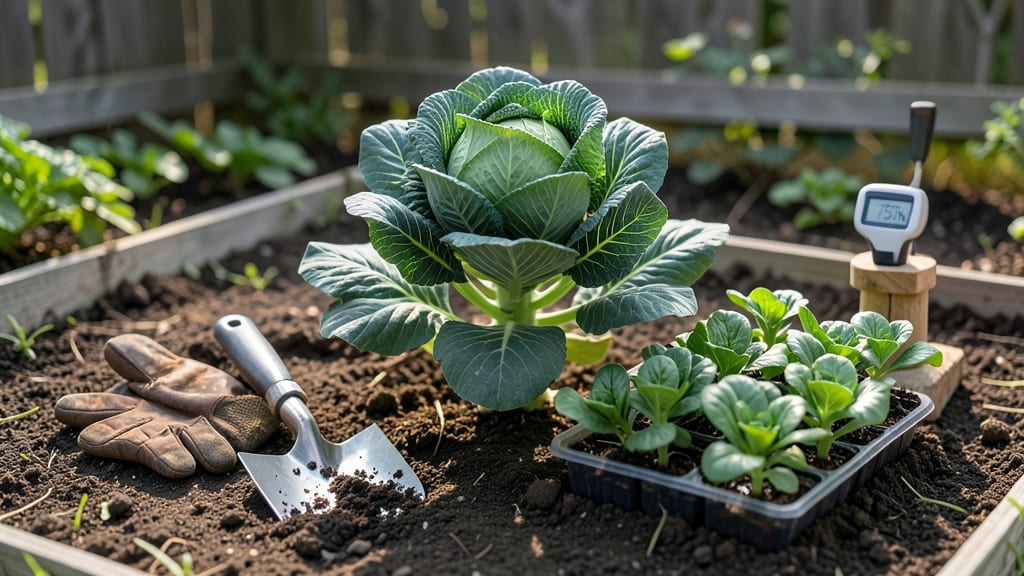
If you’ve ever watched your 🥬 cabbage plants bolt—sending up bitter, flower-stalked stems instead of the tender heads you planted for—you know when to plant cabbage in California is everything.
In California’s split climate, coastal gardeners in Zone 10 can plant cabbage almost year-round, while inland growers in Zone 9 need to time their fall and spring crops just right to avoid heat stress.
The key to zero-bolt risk? Planting cabbage in California during the coolest months—September to October for fall crops and February to March for spring—when temperatures stay mild. But here’s the catch: coastal areas can push planting 2–3 weeks later than inland regions, thanks to their cooler microclimates.
Miss these windows, and you’ll end up with tough, pithy heads or worse.
I’ve grown cabbage in both coastal and inland California gardens, and the difference in timing is the game-changer. The right variety—like heat-tolerant Golden Acre for inland areas or Early Jersey Wakefield for coastal—can also make or break your harvest.
Let’s break down the exact planting schedule you need to avoid bolting and grow crisp, sweet cabbage all season long.
Ready to plan your fall or spring cabbage? You’ll discover the precise transplanting dates, how to adjust for your microclimate, and which varieties thrive where. No more wasted seeds or bitter surprises—just a steady supply of homegrown 🥬 cabbage from your garden.
California cabbage planting calendar: coastal vs inland start dates by variety
California’s diverse microclimates mean your cabbage planting dates in San Francisco differ drastically from those in Fresno. Coastal regions stay mild year-round, while inland areas experience hotter summers and cooler winters.
To avoid bolting—when cabbage flowers prematurely—you’ll need to adjust your schedule based on your USDA Zone (9-10) and variety type. Let’s break down the ideal windows for head cabbage, bok choy, and kale.
For coastal California (Zone 10), like Los Angeles or San Diego, you can plant fall crops in late summer and spring crops in early winter. Inland areas (Zone 9), such as Sacramento or Bakersfield, require earlier fall plantings and later spring starts to escape summer heat.
The key is timing transplants so heads mature before temperature spikes or drought stress trigger bolting.
Here’s your side-by-side planting calendar for head cabbage, the most popular variety in California gardens. I’ve included transplant windows, harvest timelines, and bolting-risk thresholds to keep your crop sweet and crisp.
| Region | Variety | Transplant Window | Harvest Time | Bolting Risk | Notes |
|---|---|---|---|---|---|
| Coastal (Zone 10) | Head Cabbage | Late August–September February–March |
December–January June–July |
Low (mild winters) | Ideal for 'Golden Acre' and 'Red Express' |
| Inland (Zone 9) | Head Cabbage | July–August January–February |
October–November May–June |
High (summer heat) | Use 'Early Jersey Wakefield' for faster maturity |
| Coastal (Zone 10) | Bok Choy | September–October March–April |
November–December May–June |
Very Low | Fast-growing; harvest in 30–40 days |
| Inland (Zone 9) | Bok Choy | August–September February–March |
October–November April–May |
Moderate (summer bolting risk) | Plant in partial shade to reduce heat stress |
| Coastal (Zone 10) | Kale | September–October February–March |
November–January June–July |
None (cold-hardy) | 'Lacinato' sweeten in frost; harvest leaves as needed |
| Inland (Zone 9) | Kale | July–August January–February |
September–October May–June |
Low (summer bolting risk) | Use shade cloth in summer for tender varieties |
Notice how inland cabbage needs a 2-week earlier start in fall and a 2-week later start in spring compared to coastal areas? This adjustment accounts for hotter inland summers, which can push plants to bolt if they’re transplanted too late. For example, a July transplant in F
How to extend your cabbage season in California without bolting
California gardeners know that cabbage bolting turns sweet heads into bitter flowers faster than a desert wind. The key to avoiding this is extending your planting windows with smart techniques.
Whether you're in coastal San Francisco or inland Sacramento, pushing your cabbage season requires a few strategic tweaks to soil, shade, and timing.
First, succession planting is your best friend. Instead of one big fall or spring batch, stagger transplants every 2–3 weeks to keep a steady harvest.
For example, if you plant your first batch in mid-September, follow up with a second in early October to ensure a continuous supply before winter chill sets in.
🌱
5 Critical Mistakes That Trigger Bolting
- 🌡️ Ignoring soil temps: Cabbage bolts when soil exceeds 75°F. Test soil before planting—aim for 60–65°F.
- ☀️ Overheating seedlings: Direct sun on young plants spikes stress. Use 30% shade cloth for the first 2 weeks.
- 💧 Inconsistent watering: Drought stress triggers bolting. Keep soil evenly moist (1–1.5 inches per week).
- ⏰ Planting too late: Fall crops must mature before December’s cool snap. Spring plantings need 60+ days to harvest before summer heat hits.
- 🌱 Skipping succession: One planting = one harvest. Repeat every 3 weeks for continuous yields.
For coastal gardeners, where winters are mild, focus on fall planting from September to November. The ocean breeze keeps temps cool, but mulch heavily with straw to protect roots from December’s occasional chill.
Inland areas should prioritize early spring (February–March) and late summer (August) plantings to avoid 100°F+ heat that forces bolting.
Another game-changer? Shade cloth. In hot inland valleys, drape 40–50% shade cloth over seedlings during peak afternoon sun (12–4 PM). This simple trick can delay bolting by 2–3 weeks, giving you extra time for harvests. Pair it with drip irrigation to keep roots cool and consistent.
Don’t forget soil temperature tricks. If your soil runs hot, plant in raised beds filled with a mix of compost and coconut coir—this retains moisture and moderates heat. For spring plantings, wait until soil temps drop below 70°F after evening showers to reduce stress.
With these adjustments, you’ll extend your cabbage season by 4–6 weeks, ensuring crisp heads from October through April—no bolting in sight! 🥬