
Planting
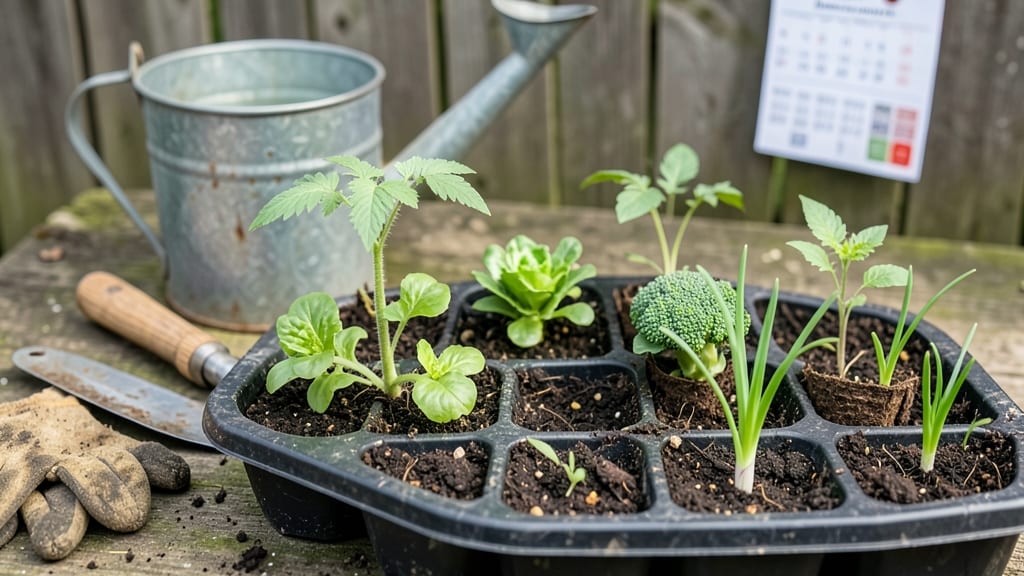
When to plant a vegetable garden in California can make the difference between a thriving harvest and wasted seeds—especially when coastal fog meets inland heat. The wrong start date means bolted lettuce or stunted tomatoes, but get it right, and you’ll enjoy fresh produce year-round. With USDA zones ranging from 5b to 11, your location dictates everything from frost-free dates to ideal planting windows.
Let’s break it down: Coastal areas like San Francisco (zones 9b-10a) can plant leafy greens in fall or winter, while inland valleys (zones 7-9) need to wait until late spring for heat-loving crops like peppers.
I’ll show you exactly when to start seeds indoors vs. direct-sowing, so you never miss the perfect window.
Whether you’re battling unexpected frosts or early heatwaves, this guide covers regional adjustments—from Southern California’s long growing season to Northern California’s cooler summers. Ready to turn your garden into a year-round feast? Let’s dig in.
You’ll walk away with a month-by-month planting calendar, frost-risk maps, and pro tips for handling California’s unpredictable weather. No more guesswork—just a garden that grows like a dream.
California planting zones: coastal vs inland start dates explained
California’s diverse microclimates create a gardening puzzle—what works in San Francisco’s coastal fog fails in Sacramento’s Central Valley heat. The key? Understanding USDA planting zones 7b-11 and how they dictate your optimal planting windows.
Coastal areas (like Santa Barbara) often have no frost, while inland valleys (like Fresno) face late spring frosts until March.
Your first step: Identify your local frost-free dates. Coastal gardeners can plant cool-season crops like lettuce year-round, while inland growers must wait until after April 15 to avoid frost damage. Even within cities, elevation changes shift planting times—Mountain View (coastal) differs from Stockton (valley) by 4-6 weeks.
Here’s how to decode your zone: Use the comparison table below to match your location’s microclimate (coastal, inland valley, or desert) with specific start dates for spring/summer/winter crops. For example, tomatoes thrive in inland zones by May 1 but wait until June 15 in coastal areas.
🌱 California Planting Zones Comparison
| Zone/Region | USDA Zone | Last Frost Date | Spring Start (Cool Crops) | Summer Start (Warm Crops) |
|---|---|---|---|---|
| Coastal (SF, LA) | 9b-10a | None–January | September–October (fall) or February (spring) | June 15–July 15 |
| Inland Valleys (Sacramento, Fresno) | 9a-10b | December–February | March 15–April 15 | April 15–May 1 |
| Desert (Palm Springs, Coachella) | 10a-11 | None | Year-round (shade cloth needed) | February–March (avoid summer heat) |
| Mountain Foothills (Sacramento Delta) | 7b-8a | January–March | April 1–May 1 | May 15–June 1 |
Pro Tip: Use local weather stations (like California Weather Service) to confirm frost dates—your backyard may vary by 2 weeks from official records. 🌡️
For coastal gardeners, the secret is succession planting—sow lettuce every 2 weeks from September to May to avoid bolting. Inland areas, however, must focus on heat-tolerant varieties like ‘Heatmaster’ tomatoes or ‘Malabar spinach’, which thrive in 100°F+ temps.
Another critical factor: soil temperature. Warm-season crops (e.g., peppers) need soil at 70°F+ to germinate. Use a soil thermometer—coastal soils warm slower due to fog, while inland soils can hit 80°F by April.
If your soil is too cold, black plastic mulch speeds warming by 10-15°F.
Don’t overlook winter planting in coastal zones. Crops like kale and carrots grow beautifully from November to March, while inland gardeners can try garlic planted in December for a June harvest. The key? Mulch heavily to protect roots from light frosts (28–32°F).
If you’re in transition zones (like San Diego’s inland valleys), blend strategies: Start cool crops in fall, then switch to warm crops in spring.
For example, plant broccoli in October and cucumbers in May in the same bed. Drip irrigation helps manage the shift between moist fall soils and dry summer conditions.
Remember: California’s El Niño years can shift frost dates by 3-4 weeks. Monitor NOAA forecasts and adjust your planting timeline if unusually cold snaps are predicted. For example, in 2016’s El Niño, Sacramento saw frost in April, delaying tomato plantings by 6 weeks.
Finally, urban gardeners in cities like Los Angeles or San Jose face heat islands—temperatures can be 5–10°F warmer
Best vegetables to plant by month in California (with frost risk maps)
California’s 12-month growing season lets you plant almost year-round, but timing matters. Coastal areas like San Francisco can grow cool-season crops in summer, while inland Sacramento bakes in July. Below, I’ve mapped the best monthly planting windows for 10 essential vegetables, plus frost risk alerts to protect your harvest.
Start with cool-season crops like lettuce and peas in fall/winter (October–February). These thrive in 50–65°F temps. Then shift to warm-season plants like tomatoes and peppers in spring/early summer (March–June). Succession planting (sowing seeds every 2–3 weeks) keeps your garden productive.
Use this frost risk guide to adjust timing: Coastal areas rarely see frost, but inland valleys (like Fresno) can drop to 28°F in winter. High desert regions (e.g., Reno) face frost from October–March. Always check your local frost-free date—it’s your planting deadline for heat-loving crops.
For heat-sensitive crops like cucumbers or peppers, inland gardeners should start seeds indoors 6–8 weeks before the last frost (typically March 1–15 in Sacramento). Coastal gardeners can direct-sow peppers as early as April 1—they’ll thank you with bigger yields.
Don’t forget succession planting for leafy greens like lettuce or radishes. Sow every 2 weeks from February–November to avoid gaps in your harvest. Frost-tender crops (tomatoes, peppers) should be planted after April 15 inland or March 15 coastal to avoid cold snaps.
Use shade cloth in summer if temps hit 90°F+—it buys you 2–4 extra weeks for heat-sensitive crops like basil or cucumbers. And always harden off seedlings before transplanting to avoid shock.