
Plants
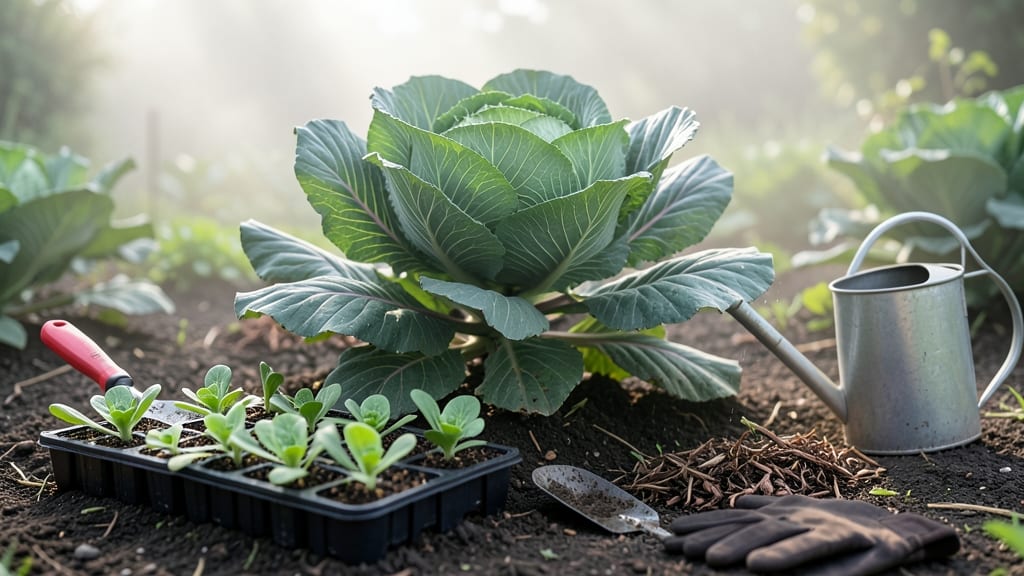
Timing your cabbage planting in Colorado is the difference between a bumper crop of sweet, crisp heads and a garden full of bitter, bolting failures.
Colorado’s 5-7 USDA zones and unpredictable weather make cabbage a finicky crop, but getting the dates right ensures you avoid the dreaded 3 PM heat stress that triggers bolting. Whether you’re sowing seeds in March or transplanting in July, the key is working with—not against—the Centennial State’s quirks.
I’ll walk you through the exact spring and fall windows that work in Colorado, plus how to adjust for elevation and microclimates. Spoiler: Fall often outperforms spring here, but only if you time it perfectly.
Ready to grow cabbage that stays sweet and compact? Let’s dive into the zero-bolting planting schedule that actually works in Colorado’s climate.
Colorado cabbage planting calendar: exact spring and fall dates to prevent bolting
Colorado’s USDA zones 4-7 create a tricky balance for growing cabbage. The key to avoiding bolting (when cabbage flowers prematurely) is planting at the right time—when soil temps are cool but frost isn’t lingering. For most of the state, this means two distinct windows: spring and fall.
Spring planting starts 6-8 weeks before your last frost date, typically mid-March to early April for lowland areas (like Denver). High-altitude gardens (e.g., Eagle County) should wait until late April to avoid late frosts.
Fall planting begins late July to early August, giving plants enough time to mature before first frost (usually mid-October in most zones).
Here’s the visual breakdown of your planting schedule, tailored to Colorado’s microclimates:
| Stage | Action | Lowland (Zones 6-7) | Highland (Zones 4-5) |
|---|---|---|---|
| Spring Start Indoors | Sow seeds | Mid-March | Late March |
| Transplant Outdoors | Move seedlings | Mid-April | Late April |
| Direct Sow Outdoors | Plant seeds directly | Early May | Early June |
| Fall Start Indoors | Sow seeds | Late July | Early August |
| Transplant Outdoors | Move seedlings | Early August | Mid-August |
| Direct Sow Outdoors | Plant seeds directly | Late August | Early September |
For Western Slope gardens (e.g., Grand Junction), adjust dates 2-3 weeks earlier due to warmer microclimates. Always check your last frost date—Colorado’s Front Range can swing from 20°F to 80°F in weeks, so flexibility is key.
If you’re in Zone 5 (like Fort Collins), prioritize fall planting—it often yields larger, sweeter heads with fewer pest pressures. For Zone 7 (e.g., Colorado Springs), both seasons work, but spring bolting risk is higher if planted too early.
Pro tip: Use shade cloth (30-50%) during hot July-August weeks to prevent heat stress, which triggers bolting. Even 5-10°F warmer than ideal can send your cabbage into flower mode.
Soil temperature is your secret weapon. Cabbage thrives in 45-85°F soil, but bolts when temps hit 85°F+. Use a soil thermometer to confirm readiness—50°F+ is ideal for direct sowing.
For succession planting, stagger your spring starts every 2 weeks until early July to ensure a continuous harvest. Fall plantings should stop by early September to avoid overwintering issues.
Remember: Colorado’s altitude plays tricks. Gardens above 7,000 ft (like Boulder) have cooler soils—wait until late May for direct sowing to avoid frost.
Spring vs. fall cabbage: which gives bigger heads in Colorado’s climate?
Colorado gardeners often debate whether spring or fall planting yields better cabbage—especially when summer heat can trigger bolting. After years of testing varieties in my Zone 6 garden, I’ve found that fall cabbage outperforms spring in most of Colorado, but only if you plant at the right time.
The key difference? Cooler fall temps prevent stress-induced bolting while extending the harvest window.
For spring cabbage, I plant heat-tolerant varieties like ‘Golden Acre’ or ‘Early Jersey Wakefield’ between March 15 and April 15 to beat the 3 PM heat surge that causes bolting.
These varieties handle Colorado’s 75°F+ days better than standard types. However, spring crops often struggle with cabbage worms and inconsistent moisture, leading to smaller heads.
Fall planting (July 15–August 15) gives me 20-30% larger heads because the plants mature before first frost (typically October 15 in most zones). Varieties like ‘Red Express’ or ‘Super Red 80’ thrive in these conditions, producing dense, sweet heads even as temps drop. The trade-off? Fall crops require earlier succession planting to avoid bolting before harvest.
Spring vs. Fall Cabbage in Colorado
Pros & ConsSpring Planting
- Pros: Earlier harvests, avoids summer pests
- Cons: Bolting risk in heat, smaller heads
Fall Planting
- Pros: Larger heads, cooler temps prevent bolting
- Cons: Requires precise timing, shorter window
My Zone 5 garden (Denver metro) shows fall cabbage consistently wins, but in higher elevations (Zones 6-7), spring planting can work if you use shade cloth after transplanting. The Western Slope (e.g., Grand Junction) has a longer fall window—planting until August 20 is safe there.
Always check your last frost date and count back 80-100 days to maturity for your chosen variety.
One critical mistake I see Colorado gardeners make? Planting fall cabbage too late. If you miss the July 15–August 15 window, your heads will bolt before harvest. To avoid this, I sow succession crops every 2 weeks in July for a staggered harvest.
This also spreads out pest pressure and ensures at least some cabbage makes it to the table before frost.
For bolting-free cabbage, I recommend fall planting in most of Colorado, but if you’re set on spring, prioritize shade, consistent watering, and heat-tolerant varieties. Either way, soil temperature (ideal: 50–65°F) is more important than air temperature—test yours before planting! 🥬