
Plants
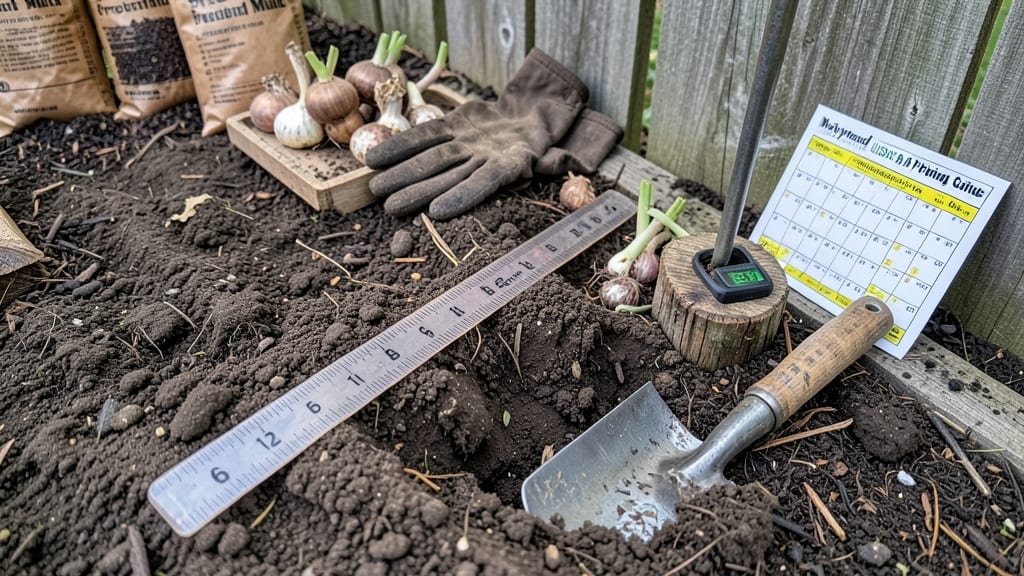
Planting bulbs in Maryland at the wrong time can mean the difference between a showstopping spring garden and a missed opportunity—especially with Maryland’s unpredictable frost dates and USDA Zone 7a climate. Too early, and your bulbs rot in cold, wet soil; too late, and they won’t get the chill hours they need to bloom. The key? Timing it right for your specific bulb types, whether you’re planting daffodils in September or tulips in November.
Maryland gardeners face unique challenges, like early November frosts or late-April surprises that can catch bulbs off guard. But with the right strategy—understanding chill-hour needs, soil prep, and frost-free deadlines—you can ensure vibrant blooms year after year.
I’ll break down the exact windows for fall planting (the best time for most spring bloomers) and why some bulbs, like crocuses, can handle December’s chill.
You don’t need a green thumb to master this—just a few simple rules. From mulching to soil temperature checks, I’ll walk you through the steps to plant confidently, whether you’re a beginner or a seasoned gardener.
Let’s get those 🌷 Spring Flowering Bulbs in the ground at the perfect moment for Maryland’s climate.
Ready to transform your yard into a springtime paradise? The clock is ticking—fall planting starts soon, and these tips will help you avoid common mistakes that derail even the best-laid plans. Let’s dive in.
Maryland’s best bulb planting months by chill-hour needs (Zones 5-8 guide)
Maryland’s climate—spanning USDA Zones 5-8—creates a tricky balance for bulb planting. Too early, and bulbs rot in warm soil; too late, and they fail to meet chill-hour requirements before spring.
Most spring-blooming bulbs need 800-1,500 chill hours (below 45°F) to flower, while tropical bulbs like cannas need zero chill. Understanding your zone and bulb type is key to timing success.
In Zones 5-6 (northern MD, like Frederick or Hagerstown), aim to plant cool-season bulbs (tulips, daffodils) by mid-October to ensure they root before the ground freezes. In Zones 7-8 (southern MD, like Baltimore or Annapolis), you’ve got a 2-3 week grace period—plant through early November.
Warm-season bulbs (dahlias, gladiolas) go in after Memorial Day when soil warms consistently.
| Bulb Type | Chill-Hour Need | Best Planting Window (Zones 5-6) | Best Planting Window (Zones 7-8) |
|---|---|---|---|
| Tulips | 800-1,500 hrs | Mid-Sept to mid-Oct | Oct to early Nov |
| Daffodils | 600-1,000 hrs | Late Sept to Nov 1 | Oct to mid-Nov |
| Hyacinths | 1,000-1,500 hrs | Late Sept to Oct 15 | Oct to Nov 1 |
| Crocuses | 400-800 hrs | Sept to early Nov | Oct to Dec 1 |
| Dahlias (Tubers) | 0 hrs (warm-season) | After last frost (May) | After last frost (May) |
Maryland’s microclimates complicate things further. Urban areas like Baltimore (Zone 7b) often stay warmer than rural Frederick (Zone 6a), so adjust planting 1-2 weeks later in cities. Use a soil thermometer to confirm soil temps are below 60°F before planting fall bulbs—this prevents rot.
For tropical bulbs, wait until nighttime temps stay above 50°F consistently.
Pro tip: Late October** is the sweet spot for most Maryland gardeners. By then, soil cools, but bulbs still have 6-8 weeks to root before winter. If you miss this window, spring planting works for hardy bulbs like daffodils, but expect smaller blooms and fewer flowers.
Always plant 2-3 times deeper than the bulb’s diameter—this protects them from frost heave and temperature swings.
Don’t overlook mulching after planting! A 3-inch layer of straw or shredded leaves insulates bulbs and retains moisture. In Zone 5, add mulch by early November; in Zone 8, wait until mid-December. Just remember: mulch too early, and it traps heat, causing rot. Timing is everything!
For bulb varieties with lower chill-hour needs (like ‘Tardiva’ tulips or ‘Ice Follies’ daffodils), you can push planting into early December—they’ll still bloom well. But avoid planting after the first hard frost, as frozen soil makes it nearly impossible for roots to establish.
If you’re unsure, plant test bulbs in a small patch first to gauge success.
Maryland’s spring frost risks (like the 2021 April freeze) can also impact blooming. Planting bulbs too late may mean they don’t get enough chill hours, while planting too early can lead to rot.
Strike that balance, and you’ll enjoy vibrant spring displays year after year. Next, we’ll cover frost-free deadlines and Maryland-specific risks to avoid.
Maryland’s best bulb planting months by chill-hour needs (Zones 5-8 guide)
Maryland’s USDA Zones 5-8 create a tricky balance for bulb planting—too early in Zone 5 (western MD) and bulbs rot, while Zone 8 (eastern MD) can plant later. The secret? Chill-hour requirements (the cold period bulbs need to bloom).
Most spring bulbs need 800-1,200 chill hours, but Maryland’s microclimates vary wildly. For example, tulips (1,200+ hours) thrive in Zone 5 but may need ‘Tardiva’ varieties in Zone 7/8 for reliable blooms.
Fall planting is critical—aim for 6-8 weeks before ground freezes (typically September-October for most bulbs). Daffodils and hyacinths are more forgiving (600+ chill hours), while crocuses (300+ hours) can even handle December planting in Zone 7/8.
Warm-season bulbs like dahlias and cannas (0 chill hours) go in after last frost (April-May).
Here’s the chill-hour breakdown for Maryland’s most popular bulbs, tailored to your zone:
| Bulb Type | Chill Hours Needed | Best Planting Window (MD) | Zone 5 vs. Zone 8 Note |
|---|---|---|---|
| Tulips | 1,200+ | Sep 15–Nov 1 (Zone 5) / Oct 1–Dec 1 (Zone 8) | Zone 8: Use ‘Tardiva’ varieties |
| Daffodils | 600–900 | Sep 1–Nov 15 (all zones) | Forgiving; handles late planting |
| Hyacinths | 800–1,000 | Sep 15–Oct 31 (all zones) | Zone 8: Plant early to avoid heat stress |
| Crocuses | 300–500 | Oct 1–Dec 15 (Zone 7/8) | Zone 5: Plant by Oct 15 |
| Dahlias | 0 | After last frost (May) | Warm-season; no chill needed |
Pro tip: Use a soil thermometer—bulbs should go in when soil temps hit 60°F (ideal for root growth) but before 40°F (when growth slows). In Zone 7/8, you can often plant 2 weeks later than Zone 5.
For example, tulips in Baltimore (Zone 7b) might go in until November 15, while Frederick (Zone 6b) should finish by November 1.
Don’t overlook mulching—a 2–3 inch layer of straw or shredded leaves after planting insulates bulbs from freeze-thaw cycles and keeps soil temps stable. In Zone 5, mulch early (by October); in Zone 8, wait until November to avoid trapping heat.
This small step can mean the difference between rotten bulbs and vibrant blooms next spring.
Remember: Spring planting (March-April) is an option for tender bulbs like gladiolus or cannas, but most spring-flowering bulbs won’t bloom if planted after January. If you miss fall, wait until spring—just know you’ll sacrifice some blooms that year. 🌱