
Plants
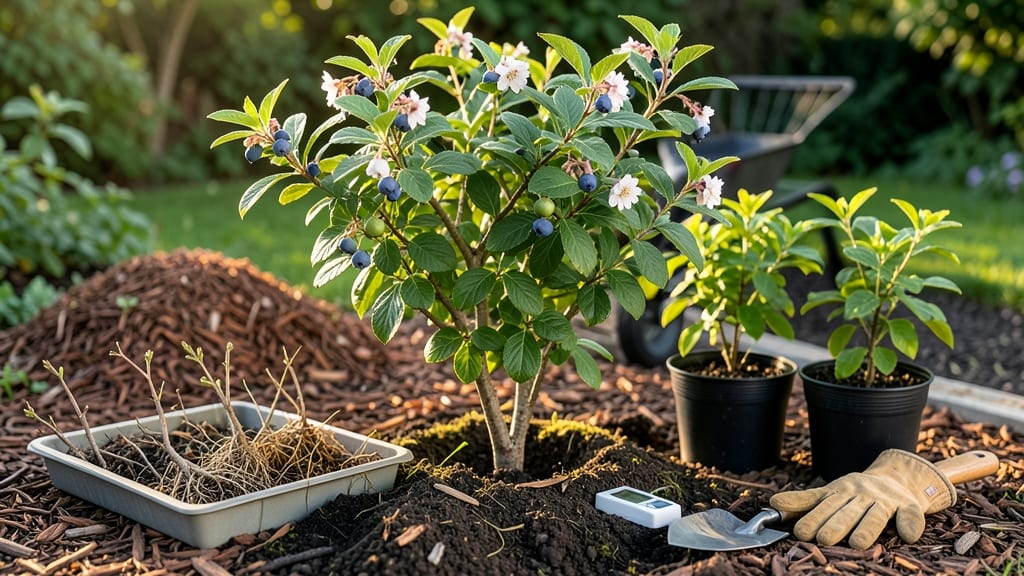
Timing your blueberry planting in Indiana isn’t just about the calendar—it’s about catching that sweet spot between frost risks and warm soil. With Indiana’s Zone 6a climate, planting too early means frost damage, while waiting too long can stunt your 🫐 bushes before they establish roots.
Most gardeners in Indiana swear by the late April to early May window, once the last frost has passed and the soil warms up. But here’s the catch: not all blueberry varieties thrive equally in our chillier springs.
Some need 1,000+ chill hours, while others do better with a gentler start.
In this guide, I’ll break down the exact frost-free windows, soil prep secrets, and the best varieties for Indiana’s climate. Whether you’re a first-time planter or a seasoned gardener, these tips will help you avoid common mistakes and set your blueberries up for a bountiful harvest from July to August.
Ready to turn your backyard into a blueberry patch? Let’s get started with the steps that make all the difference in Indiana’s unpredictable growing season.
Best planting months for blueberries in Indiana (by variety & chill-hours)
Indiana’s Zone 5-6 climate demands precise timing for blueberry planting—too early and frost zaps young roots, too late and plants struggle to establish before winter. Most Indiana growers succeed with late April to early May plantings, but chill-hour needs vary by variety.
Highbush types (like ‘Duke’) thrive with 800-1,000 chill hours, while rabbiteye varieties need 1,000-1,200 hours—critical for Indiana’s 900-1,100 average annual chill hours.
Fall planting is also viable in Indiana, but only if you plant 6-8 weeks before first frost (typically mid-October). Young roots need time to establish before winter dormancy. For container-grown blueberries, fall planting offers a slight edge—they’ll root better in cooler soil before freezing.
🚨 KEY RULE: Never plant blueberries when soil temps exceed 70°F—stress from heat shock reduces survival rates by 30%. Use a soil thermometer to check before planting.
| Variety Type | Best Planting Window | Chill-Hours Needed | Indiana Adaptability |
|---|---|---|---|
| Highbush (e.g., 'Duke', 'Jersey') | Late April–Early May | 800–1,000 hours | Excellent (native to cooler climates) |
| Rabbiteye (e.g., 'Climax') | Early May–June (warmer soil) | 1,000–1,200 hours | Moderate (needs longer growing season) |
| Lowbush (wild types) | Fall only (Oct–Nov) | 600–800 hours | Limited (best for northern IN) |
🌱 Pro Tip: Test soil pH before planting—blueberries require 4.5–5.5 pH. Use sulfur or peat moss to adjust.
Spring planting in Indiana offers the longest establishment window before summer heat stress. Aim for after May 1 in southern Indiana (Zone 6) and after May 15 in northern areas (Zone 5). For container-grown plants, you can push planting to mid-June, but expect delayed fruiting the first year.
💡 Local Insight: Northern Indiana (e.g., Fort Wayne) has 100–150 fewer chill hours than southern Indiana (e.g., Evansville). Choose ‘Jersey’ or ‘Bluecrop’ for northern regions—they tolerate fewer chill hours better than ‘Duke.’
Fertilize 4–6 weeks after planting with an acid-loving plant fertilizer (10-10-10). Avoid high-nitrogen blends—they burn roots. Mulch with pine needles or oak leaves to maintain soil acidity and retain moisture. In Indiana’s humid summers, mulch also prevents fungal diseases like botrytis.
🌿 Mistake to Avoid: Planting blueberries near walnut trees—juglone toxins stunt growth. Keep them 50+ feet away or use raised beds.
For container gardening in Indiana, plant in early May and use 18–24" pots with acidic potting mix**. Move containers to partial shade during July–August to prevent heat stress. Dwarf varieties like ‘Top Hat’ thrive in containers and fruit 1–2 years earlier than standard bushes.
📅 Indiana Planting Calendar:
- March: Amend soil with compost/sulfur
- April: Order bare-root plants (ship when dormant)
- Late April–May: Plant container-grown bushes
- October: Plant fall varieties (if soil temps <70°F)
Indiana-specific frost-free dates & how to extend the growing season
Indiana’s frost dates can shift 2-3 weeks yearly, making late spring frosts a real threat to young blueberry plants. In most of the state—especially Zone 5-6 areas—the average last frost falls around April 15, but late frosts can linger until May 10 in northern regions like Fort Wayne.
For safe planting, wait until mid-May in northern Indiana or early May in southern areas like Evansville. Use local frost data from Purdue Extension or your county’s agricultural station to confirm your exact frost-free window.
🌱Pro Tip: Plant 1-2 weeks after your area’s last frost date to give roots time to establish before summer heat arrives.
⚠️ Frost Warning for Blueberry Planting
Late frosts (28°F or below) can kill young blueberry plants, even if they’re dormant. Here’s how to protect them:
- ✅ Use row covers (lightweight fabric) if frost is forecasted within 2 weeks of planting.
- ✅ Mulch heavily (4-6 inches) with straw or wood chips to insulate roots.
- ✅ Choose microclimates like south-facing slopes or near buildings that warm up faster.
- ❌ Avoid planting in low-lying areas where cold air pools.
If you’re planting in fall (September-October), aim for 6-8 weeks before the first frost—typically mid-September in northern Indiana. Fall-planted blueberries benefit from cooler temps, which encourage root growth before winter dormancy.
For container-grown blueberries, move pots to a protected location (like a garage or under eaves) if frost threatens. Hardier varieties like ‘Duke’ or ‘Jersey’ tolerate Zone 5 winters better than southern cultivars.
🌡️Key Takeaway: Indiana’s frost risks mean patience is critical. Rushing planting in April often leads to frost damage, while waiting until June may delay first-year fruit production. Mid-May is your sweet spot for most of the state.