
Plants
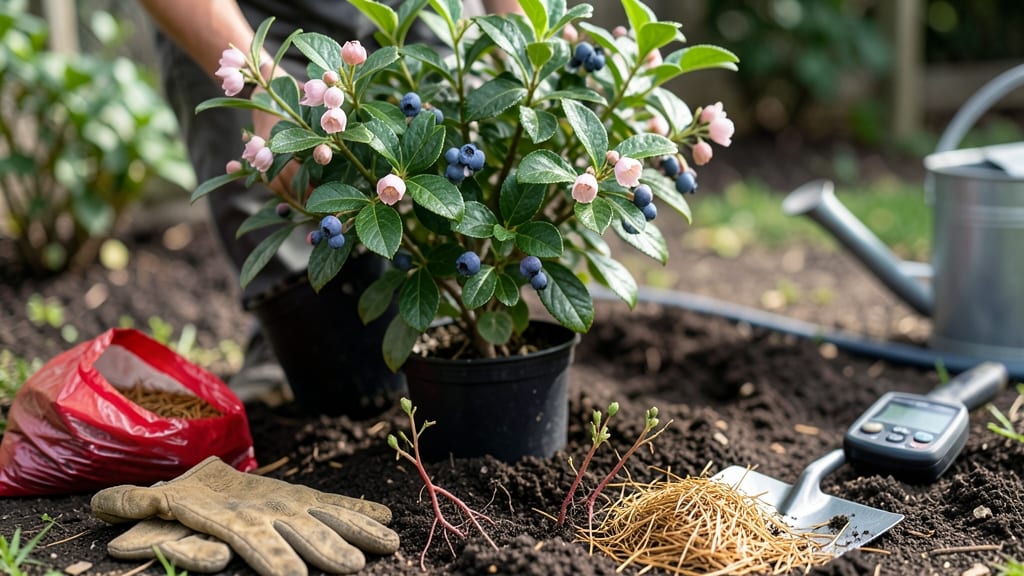
Timing your blueberry planting in New Jersey can mean the difference between a thriving bush and a sad, frost-bitten sapling. With the state’s diverse climate zones—from 6a in the north to 7b in the south—getting the window right is everything.
Most gardeners know fall is ideal, but did you know September through October offers the perfect balance? Planting then lets roots establish before winter while avoiding the brutal summer heat. And if you’re in coastal areas, you’ve got a little extra time—those milder temperatures work in your favor.
I’ll walk you through the exact months to plant, whether you’re working with bare-root or container-grown bushes, and how to prep your soil for those acid-loving 🫐 plants. Skip the guesswork and get your blueberries off to the best possible start.
Ready to turn your garden into a berry bonanza? Let’s break down the science—and the secrets—so you can plant with confidence, no matter where you are in the Garden State.
New Jersey blueberry planting timeline by chill hour zones
New Jersey’s diverse climate zones mean your blueberry planting window depends on where you live. The state spans USDA Zones 6a to 7b, with chill hour requirements ranging from 400 to 1,000 hours—critical for varieties like 'Jersey' (northern) or 'Bluecrop' (southern).
Plant too early, and frost will damage tender roots; too late, and your bushes won’t establish before winter. Let’s break down the exact frost-free windows for each zone.
First, test your chill hours using a local weather station or extension service. Northern NJ (e.g., Bergen County) typically needs 800–1,000 chill hours, while southern NJ (e.g., Cape May) may only require 400–600 hours.
This affects whether you can grow late-season varieties like 'Patriot' or stick to earlier ripening types like 'Duke'.
For spring planting, aim for 4–6 weeks before your last frost date. In most of NJ, this means mid-March to early April for northern regions and late March to mid-April for southern areas.
Bare-root plants can handle cooler soil, but container-grown bushes need warmer temperatures—wait until soil reaches 40°F.
Fall planting is often preferred in NJ because it allows roots to establish before winter. The ideal window is September to early October, giving bushes 6–8 weeks to root before the ground freezes. In colder northern zones (e.g., Sussex County), plant by mid-October; in warmer southern zones (e.g., Atlantic City), extend to early November.
🌱Pro Tip: Use mulch (3–4 inches) after planting to insulate roots and retain moisture. In zones with late spring frosts (like Passaic County), consider row covers for young plants until danger of frost passes.
Here’s how chill hours and last frost dates shape your planting schedule:
| Zone | Chill Hours | Last Frost Date | Spring Planting Window | Fall Planting Window |
|---|---|---|---|---|
| Northern NJ (6a) | 800–1,000 | April 15–May 1 | March 15–April 1 | September 1–October 15 |
| Central NJ (6b) | 600–800 | April 1–April 15 | March 20–April 10 | September 15–October 30 |
| Southern NJ (7a–7b) | 400–600 | March 20–April 5 | March 25–April 15 | October 1–November 1 |
💡Key Takeaway: If you’re in northern NJ, prioritize fall planting for varieties like 'Jersey' or 'Bluecrop'. Southern gardeners can experiment with early spring for 'Duke' or 'Bluejay', but always check soil temperature—40°F+ is non-negotiable for container-grown plants.
One common mistake is planting bare-root blueberries in summer, which causes transplant shock. Instead, stick to spring or fall and amend soil with peat moss or sulfur to hit that pH 4.5–5.5 sweet spot. Coastal areas (like Cape May) may need extra wind protection for young bushes.
For container gardening, plant in late spring (May) when soil warms up. Containers heat up faster, so monitor moisture closely—drought stress is a silent killer for blueberries. Use acidic potting mix and repot every 2–3 years to refresh nutrients.
✂️Final Tip: Prune dead or crossing branches in late winter (before buds swell) to improve airflow. This reduces fungal diseases like mummy berry, a common NJ issue. Pair pruning with a thin layer of pine needles mulch to keep soil acidic naturally.
Best blueberry varieties for NJ gardens & their planting secrets
New Jersey’s diverse climate means not all blueberry varieties thrive equally. Some handle our northern chill better, while others shine in coastal warmth. The key? Matching your chill hour zone (400–1,000 hours) to the right variety and planting it at the optimal time.
For northern NJ (zones 6a–6b), early-season varieties like 'Jersey' and 'Patriot' are winners—they ripen before late frosts. In central/southern NJ (zones 7a–7b), 'Bluecrop' and 'Duke' deliver bigger yields with fewer pests. Even low-chill varieties like 'Top Hat' work in microclimates.
🚨 NON-NEGOTIABLE: Test your soil’s pH (4.5–5.5) before planting. Most NJ soils are too alkaline—amend with sulfur or peat moss 2–3 months ahead. Pro tip: Plant container-grown bushes in fall for instant roots; bare-root plants need spring planting (March–April) to avoid winter stress.
| Variety | Chill Hours | Best Planting Time | NJ Zone Fit | Harvest Window |
|---|---|---|---|---|
| 'Jersey' | 500–700 hrs | Fall (Sept–Oct) or early spring | 6a–6b (north) | Late June–July |
| 'Bluecrop' | 800–1,000 hrs | Fall (Sept–Oct) | 7a–7b (south/central) | July–August |
| 'Duke' | 600–800 hrs | Fall (Sept–Oct) or spring | 6a–7a | July–early Aug |
| 'Top Hat' | 200–300 hrs | Spring (March–April) | 7b (coastal) | June–July |
| 'Bluejay' | 700–900 hrs | Fall (Sept–Oct) | 6b–7a | July–August |
If you’re in coastal NJ, push planting to October—warmer microclimates let roots establish longer before winter. For inland areas, aim for September to avoid early frosts.
And here’s a pro move: Plant two varieties with staggered harvests (e.g., 'Jersey' + 'Bluecrop') to extend your berry season from June to August.
💡 Secret tip: Mulch with pine needles (free from local nurseries!) to keep soil acidic and retain moisture. Just avoid wood chips—they rob nitrogen and slow growth. With the right variety and timing, your NJ blueberries will outperform store-bought every year.