
Plants
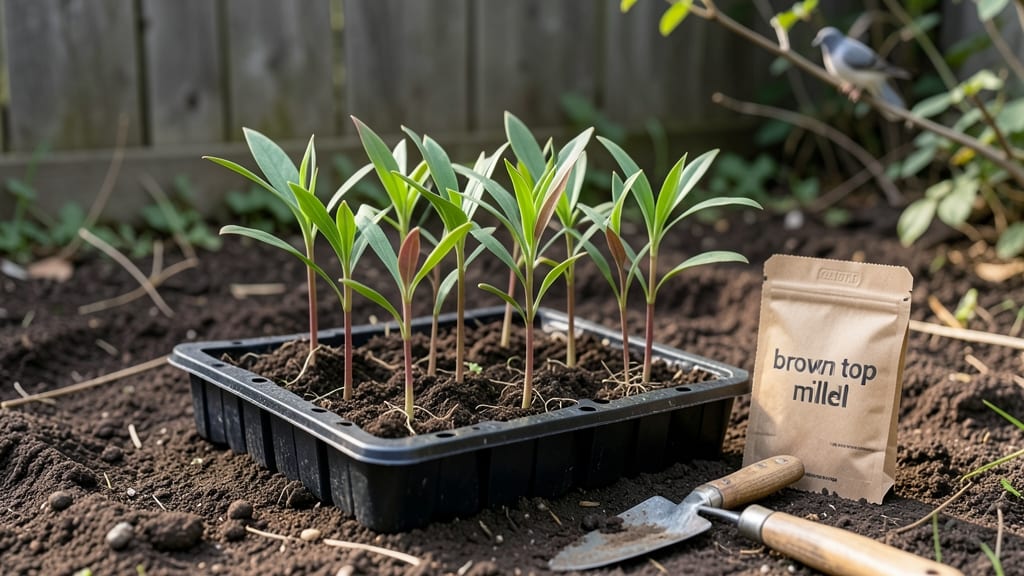
If you're looking to create a dove-friendly haven in Mississippi, timing your Brown Top Millet 🌾 planting just right is the key to success. This fast-growing annual isn't just a pretty sight—it's a dove magnet that thrives in our 8a climate when planted during the optimal window.
Picture this: late spring rolls around, and you're ready to transform your property into a wildlife hotspot. The secret isn't complicated—it's all about understanding when to plant for maximum seed production and dove activity.
With Mississippi's warm summers and mild winters, you've got a perfect growing environment if you get the timing right.
I've helped many landowners discover how to sync their planting schedule with dove migration patterns and seed maturity. Whether you're a first-time planter or a seasoned gardener, these insights will help you create an abundant food source that doves will flock to from August through October.
Let's break down exactly when to plant for peak foraging, how to prepare your soil, and what to watch for as your Brown Top Millet grows. Your doves—and your property—will thank you for it!
Best planting months for brown top millet in Mississippi’s climate zones
Mississippi’s USDA Zone 8a climate lets you grow brown top millet twice a year, but timing directly impacts seed production and dove foraging success. The two ideal windows—late spring and early fall—align with soil warmth and dove migration patterns.
Let’s break down the best months for each planting season to maximize your harvest and attract more doves to your property.
For spring planting, aim for March through April after the last frost date (typically around March 15). This ensures soil temperatures reach the 60°F minimum needed for germination. Spring-planted millet will mature just in time for summer dove activity, providing fresh seeds when natural food sources dwindle.
If you prefer fall planting, August through early September is your best bet. This timing allows the millet to establish roots before cooler weather arrives, with seeds maturing by late October—perfect for fall and winter dove foraging when other food is scarce.
Fall planting also avoids competing with summer heat stress.
🌾 Brown Top Millet Planting Comparison
| Planting Window | Soil Temp Requirement | Dove Foraging Benefit | Harvest Timeline |
|---|---|---|---|
| Late Spring (March-April) | ≥60°F | Summer peak (June-August) | August-October |
| Early Fall (August-September) | ≥65°F | Fall/winter (October-December) | October-November |
💡 Pro Tip: Test soil temperature with a soil thermometer to confirm readiness—cold soil delays germination.
In northern Mississippi (e.g., Tunica or Greenville), where cooler nights linger, push spring planting to mid-April to avoid frost risk. Conversely, in southern MS (e.g., Biloxi or Gulfport), you can start as early as February if soil warms quickly. Always monitor local frost forecasts to protect young seedlings.
For dove hunters, align planting with migration patterns. Spring-planted millet provides food when doves arrive in April-May, while fall-planted crops sustain them during their southward migration in October-November. Double-planting—once in spring and once in fall—creates a year-round food source for resident doves.
Mississippi’s humid subtropical climate means rainfall isn’t the limiting factor, but consistent moisture is key during germination. After planting, maintain 1 inch of water weekly until seedlings reach 3 inches tall. Once established, millet becomes drought-tolerant, making it low-maintenance once rooted.
If you’re new to growing brown top millet, start with a small test plot (e.g., 10x10 feet) to gauge local growing conditions. Note how quickly your plants mature—some Mississippi varieties reach harvest in 50-60 days, while others take up to 90 days depending on heat and moisture.
Adjust future planting dates based on your observations.
Remember: Doves prefer mature seed heads, so aim for late summer or early fall harvests when seeds are plentiful. Planting too early in spring may result in over-mature seeds by summer, while fall planting too late risks frost damage before seed set. Balance is key!
For maximum dove attraction, interplant millet with other dove favorites like sunflower or sorghum. This creates a diverse foraging buffet that keeps doves lingering longer on your property. Pair your planting schedule with water source placement—doves need both food and water to thrive.
Best planting months for brown top millet in Mississippi’s climate zones
Mississippi’s USDA Zone 7b-8a climate offers two prime windows for planting brown top millet—spring and late summer—each aligned with dove migration patterns and seed production cycles. The key is planting when soil temperatures consistently reach 60°F and dove populations are actively foraging.
For spring planting, aim for mid-March to early April after the last frost (typically March 15). This ensures 60-90 days of growth before fall foraging peaks in September-October. Late summer plantings should occur August 1-15 to mature seeds by first frost (November 15).
🌾 Brown Top Millet Planting Comparison
| Planting Window | Ideal Months | Soil Temp Requirement | Dove Foraging Alignment |
|---|---|---|---|
| Spring | March 15-April 15 | ≥60°F | Fall migration (Sept-Oct) |
| Late Summer | August 1-15 | ≥65°F | Winter food scarcity |
💡 Pro Tip: Test soil temps with a soil thermometer—brown top millet won’t germinate below 55°F.
Northern Mississippi (Zone 7b) should plant 2-3 weeks later than southern regions (Zone 8a) to avoid late spring frosts. For example, Tupelo (Zone 7b) targets April 1-15, while Jackson (Zone 8a) can start March 20-April 5.
Mississippi’s humid summers create ideal conditions for rapid millet growth, but overcrowding reduces seed production. Space seeds 8-12 inches apart in rows 18 inches apart to maximize dove access and seed yield.
If planting for winter dove food, prioritize late August sowings. These mature just before cold fronts push doves southward, ensuring continuous foraging through December.
Always monitor local dove activity—planting 2-3 weeks earlier than usual can extend seed availability during unexpected cold snaps. 🌿