
Plants
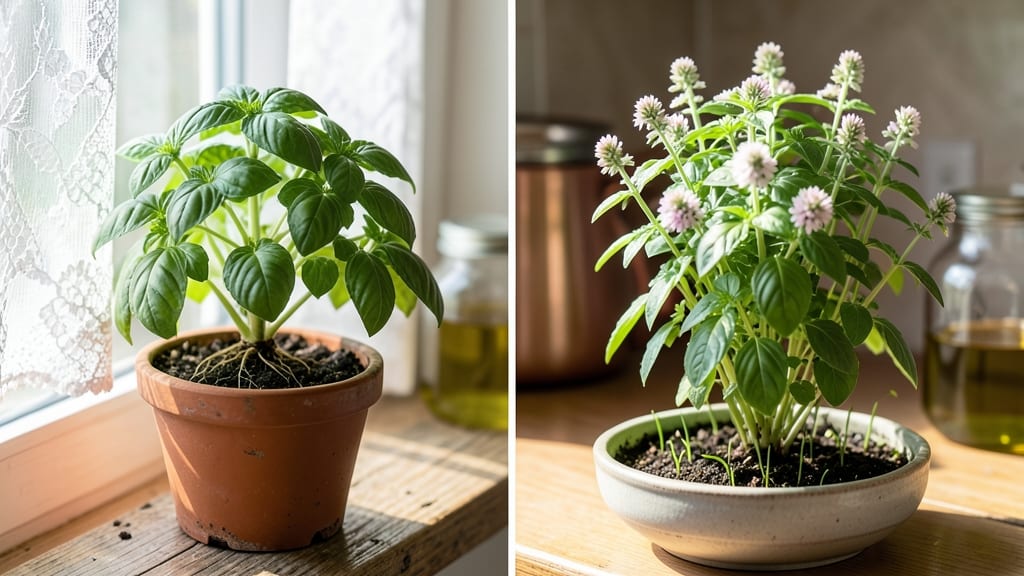
Curious about how tall can a basil plant grow before it turns into a leggy, leaf-sparse tower? Most gardeners expect their 🌿 basil to stay compact, but without the right care, it can shoot up to 2 feet—or even taller—while sacrificing those prized aromatic leaves.
If you’ve ever pinched back your basil only to watch it stretch toward the sky anyway, you’re not alone.
The key to keeping your basil lush and flavorful lies in understanding its natural growth habits and how simple adjustments—like pruning, sunlight, and variety selection—can transform a towering herb into a bushy, harvest-ready plant.
In this guide, I’ll break down the ideal height ranges for different basil varieties, whether you’re growing them in pots or garden beds, and share 3 easy pruning techniques to control height while maximizing leaf production.
You’ll also learn how to spot overgrowth early and fix it before your basil becomes more stem than leaf.
Ready to turn your basil from a skyward-stretching disappointment into a thriving, leafy powerhouse? Let’s dive into the secrets of managing height for the best harvests—without sacrificing flavor or yield.

Natural height range of basil plants: what to expect indoors vs outdoors
Basil plants typically reach heights between 12 to 24 inches under ideal conditions, but their growth varies dramatically based on environment and variety. In my garden, I’ve seen Genovese basil hit 24 inches when grown outdoors, while Thai basil often stays shorter at 12-18 inches.
The difference comes down to sunlight, temperature, and even the container size if you’re growing it in pots.
Outdoor basil thrives when planted in garden beds with full sun exposure and well-draining soil. These plants often grow taller and bushier because they have more space to spread their roots and access to natural sunlight.
I’ve noticed my outdoor basil reaches its mature height of 18-24 inches in about 60 days after planting, especially in warmer climates like USDA Zone 8 or higher.
Indoor basil, however, faces different challenges. Without sufficient sunlight, indoor plants can become leggy and weak, stretching toward light sources and rarely exceeding 12 inches. I’ve had indoor basil plants max out at 10-12 inches when placed near a south-facing window with supplemental grow lights.
The key difference? Outdoor basil gets 6+ hours of direct sunlight daily, while indoor plants often struggle with partial light.
Here’s a quick comparison to help you visualize basil’s growth potential:
| Variety | Outdoor Height | Indoor Height | Maturity Time |
|---|---|---|---|
| Genovese | 18-24 inches | 10-14 inches | 60-75 days |
| Thai Basil | 12-18 inches | 8-12 inches | 50-60 days |
| Dwarf Basil | 6-12 inches | 6-10 inches | 45-55 days |
Temperature also plays a crucial role. Basil prefers warmth between 70°F and 80°F and can become stunted in cooler conditions. If you’re growing basil in containers, choose pots that are at least 6-8 inches deep to accommodate root growth.
Shallow pots restrict root development, leading to slower growth and shorter plants. I’ve found that terracotta pots work well because they allow excess moisture to evaporate, preventing root rot.
Another factor to consider is pruning and harvesting. Regular pruning encourages bushier growth and prevents basil from becoming too tall. When I pinch off the top sets of leaves, my plants grow wider instead of taller. This technique is especially useful for container-grown basil, where space is limited.
Without pruning, basil can grow up to 3 feet tall in ideal outdoor conditions, but this often results in fewer leaves and a less productive plant.
If you’re growing basil for culinary use, aim for a height of 8-12 inches. This size ensures a balance between leaf production and stem strength. I’ve learned that harvesting leaves regularly—about one-third of the plant at a time—keeps basil compact and encourages new growth.
Overly tall basil often means the plant is putting energy into stem growth rather than leaf production, which is what we want for flavorful cooking.
One common misconception is that all basil varieties grow the same height. In reality, dwarf basil varieties like 'Spicy Globe' stay under 12 inches, while larger varieties like 'Sweet Basil' can reach 24 inches or more.
Choosing the right variety for your space and climate can make a huge difference in managing height and maximizing yield. For example, if you’re growing basil indoors, a dwarf variety is your best bet for staying within a manageable height range.
Understanding these growth patterns helps you set realistic expectations and create the perfect conditions for your basil.
Whether you’re growing it outdoors in your garden or indoors on a sunny windowsill, knowing how tall your basil can grow—and how to control it—will lead to a bountiful harvest of fresh, flavorful leaves all season long.
How to control basil height for maximum leaf production
Controlling your basil plant's height isn't just about aesthetics—it's about encouraging bushier growth and maximizing leaf production. When left unchecked, basil can grow tall and leggy, focusing energy on stems instead of flavorful leaves.
The key is pruning techniques that redirect growth where you want it: outward and leafy!
Start by pinching back the top sets of leaves when your plant reaches 6-8 inches tall. This simple trick forces the plant to branch out instead of stretching upward.
Use your fingers or clean scissors to remove the top 2-3 inches just above a leaf node—this is where new growth will sprout.
Here’s the secret: Regular pruning keeps your basil compact and productive. Aim to trim your plant every 2-3 weeks during the growing season. Always cut just above a leaf node (the small bump where leaves grow), never at a joint.
This ensures new shoots grow in the right direction—toward more leaves!
🌿
- 🌱 Step 1: Wait until your basil has 4-6 pairs of leaves and is 6-8 inches tall.
- ✂️ Step 2: Pinch or cut the top 2-3 inches just above a leaf node.
- 🌿 Step 3: Repeat every 2-3 weeks to maintain 8-12 inches height.
- 💧 Step 4: Water deeply after pruning to support new growth.
- 🌞 Step 5: Place in full sun (6+ hours) for best regrowth.
One common mistake is pruning too late in the season. If your basil starts flowering, it’s already shifting energy to seeds instead of leaves. Always prune before flowers appear—they signal the end of your harvest window.
For container-grown basil, pruning also helps prevent the plant from becoming root-bound, which stresses the plant and reduces leaf quality.
Pro tip: Harvest leaves regularly—this isn’t just pruning, it’s encouraging continuous growth. Snip the outer leaves first, leaving the inner ones to keep producing.
This method keeps your plant short, bushy, and productive all season long. Just avoid taking more than 1/3 of the plant at once to avoid shocking it.
With these techniques, you’ll keep your basil at an ideal height of 8-12 inches, packed with flavorful leaves instead of woody stems. Happy pruning—your kitchen (and taste buds) will thank you! 🌱