
How To
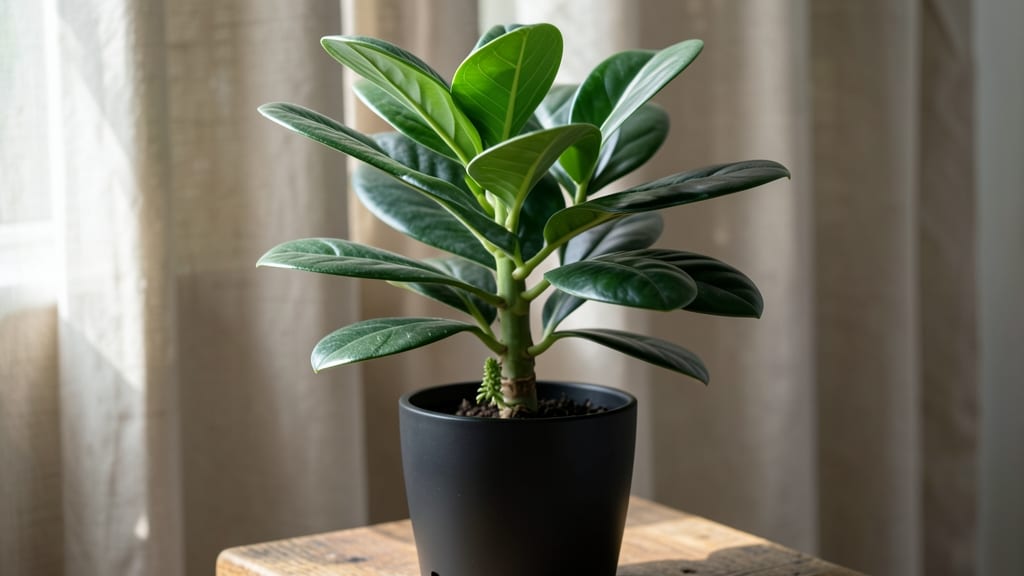
Curious about how tall can ZZ plant grow in your home? You might be surprised to learn these resilient houseplants can stretch from a modest 1 foot to over 3 feet tall—if given the right conditions.
Unlike finicky plants that demand constant attention, ZZ plants thrive on neglect while quietly reaching for the sky, making them perfect for busy plant parents.
The key to unlocking their full height potential lies in understanding their natural growth habits. In ideal conditions—bright, indirect light and room to spread—your 🌱 ZZ Plant could hit waist height within 5-10 years, though most stay between 2-3 feet indoors.
This hardy plant grows slowly but steadily, so patience pays off when you want that statement-making foliage.
But here's the secret: their height isn't just about time—it's about care. Too little light? Your plant might stay short and leggy. Too much water? Root rot could stunt growth entirely.
We'll cover exactly how to nurture your ZZ Plant for optimal height (or keep it compact if you prefer), plus when to prune for bushier, fuller growth.
Whether you're dealing with a 6a zone indoor jungle or a sunroom sanctuary, this guide will help you grow a ZZ Plant that's as tall—or as petite—as you'd like. Let's dive into the science (and art) of ZZ Plant height control.

ZZ plant height limits: how tall can they grow indoors?
Your ZZ plant (Zamioculcas zamiifolia) might seem like a slow grower, but with the right conditions, it can become a striking vertical statement in your home.
On average, these plants reach 2 to 3 feet tall indoors, though some mature specimens can stretch toward 4 feet with ideal care. The key difference? Genetics, light exposure, and pot size play huge roles in determining whether your plant stays compact or towers like a jungle giant.
Most ZZ plants grow at a steady 6 to 12 inches per year, meaning a 2-foot plant could take 2–3 years to reach maturity. However, I’ve seen waist-height plants (3+ feet) in bright, spacious rooms with minimal interference.
The secret? These plants aren’t just growing upward—they’re thriving in conditions that encourage bold, upright stems.
Here’s the reality: ZZ plants rarely exceed 4 feet indoors unless you’re growing them in a greenhouse or conservatory with perfect light and space. In most homes, 1.5 to 3 feet is the sweet spot for mature plants.
The good news? You can influence their height with simple adjustments to light, water, and container size—no green thumb required.
| Growth Stage | Height Range | Timeframe | Care Tip |
|---|---|---|---|
| Seedling | 6–12 inches | 0–6 months | Use small pots for root growth |
| Juvenile | 1–2 feet | 6–18 months | Rotate for even light exposure |
| Mature | 2–3 feet | 2–5 years | Repot every 2–3 years |
| Max Height (Ideal) | 3–4 feet | 5+ years | Prune to control legginess |
One common misconception is that ZZ plants grow rapidly. In truth, their growth is slow and steady, which is why some gardeners mistake them for stagnant.
However, when given bright, indirect light and a slightly root-bound pot, they’ll stretch upward faster. The trade-off? Leggy stems that need support or pruning to stay balanced.
If your ZZ plant seems stuck at 12 inches after years of care, check these three culprits: low light, overwatering, or a pot that’s too large. These conditions signal the plant to conserve energy, slowing vertical growth.
The fix? Move it to a sunny spot, let the soil dry out completely between waterings, and upgrade to a snugger container.
For those aiming for taller ZZ plants, focus on bright, indirect light (like a south- or west-facing window) and avoid fertilizing heavily. Too much nitrogen encourages leafy growth over height, while phosphorus-rich fertilizers (like 5-10-5) push stems upward.
Think of it like training a young tree—give it room to reach for the light!
Outdoor ZZ plants can grow slightly taller—up to 4.5 feet—if planted in USDA Zone 10 or warmer, where they enjoy humidity and natural light cycles. But indoors, 3 feet is the realistic ceiling unless you’re willing to prune regularly or propagate cuttings to keep them manageable.
The trade-off? A bushier, fuller plant that’s easier to care for.
Pro tip: If your ZZ plant starts leaning toward a window, it’s not just stretching—it’s phototropism in action. Rotate the pot quarter-turns every 2 weeks to encourage even growth. This simple habit prevents lopsided stems and keeps your plant compact and sturdy. Your future 3-foot-tall ZZ plant will thank you!
Remember, ZZ plants are survivors, not show-offs. They’ll grow at their own pace, but with the right conditions, you’ll have a lush, vertical centerpiece that’s as low-maintenance as it is striking. Now go give yours the light it craves—your living room ceiling will thank you.
5 Key factors that control ZZ plant height growth
Your ZZ Plant’s height isn’t just about time—it’s about the right conditions. While these plants grow slowly, their vertical growth is influenced by 5 key factors you can control.
Understanding these will help you steer your plant toward your desired height, whether you want a compact desk companion or a tall statement piece.
First, light exposure plays the biggest role. ZZ Plants thrive in bright, indirect light, which encourages upward growth. Place yours near a north-facing window for optimal results.
Too little light? Your plant may stretch leggily toward the nearest glow, while too much direct sun can scorch its leaves. Balance is key!
Pot size is another game-changer. Root-bound ZZ Plants grow taller as they search for space. If your plant’s roots are circling the bottom of its pot, it’s time to upgrade to a larger container—this often slows vertical growth and encourages bushier foliage. Aim for a pot that’s 2-3 inches wider than the current one.
| Factor | Impact on Height | Actionable Tip |
|---|---|---|
| Light Exposure | Too little = leggy growth; too much = stunted growth | Place 2-3 ft from a north-facing window |
| Pot Size | Root-bound = taller growth; larger pot = bushier | Repot every 2-3 years or when roots circle |
| Watering Habits | Overwatering = stunted growth; underwatering = slow growth | Water when top inch of soil is dry |
| Soil Quality | Poor drainage = root rot = stunted growth | Use well-draining mix with perlite |
| Temperature | Extreme temps = slow growth; ideal = 65-75°F | Keep away from drafts or heaters |
Next up is watering habits. ZZ Plants are drought-tolerant, but overwatering can stunt growth by causing root rot. Let the top inch of soil dry out completely before watering again.
This encourages deeper root growth, which supports a healthier, taller plant over time. Think of it as training your plant to reach for the sky!
Soil quality also matters—poor drainage can lead to root issues that halt growth. Use a well-draining potting mix with perlite or sand to keep roots happy. A happy root system means your ZZ Plant can focus its energy on growing taller, not struggling to survive. Plus, well-aerated soil prevents those pesky fungal problems that can slow everything down.
Finally, temperature plays a subtle but important role. ZZ Plants prefer stable conditions between 65-75°F. Extreme heat or cold can shock the plant, causing it to divert energy toward survival rather than growth.
Keep your plant away from drafty windows or heating vents, and you’ll see steady, upward progress over time.
By mastering these 5 factors, you’ll unlock your ZZ Plant’s full height potential—whether that’s a compact 1-foot beauty or a towering 3-foot giant. The choice is yours, and the care is simple! 🌱