
Plants
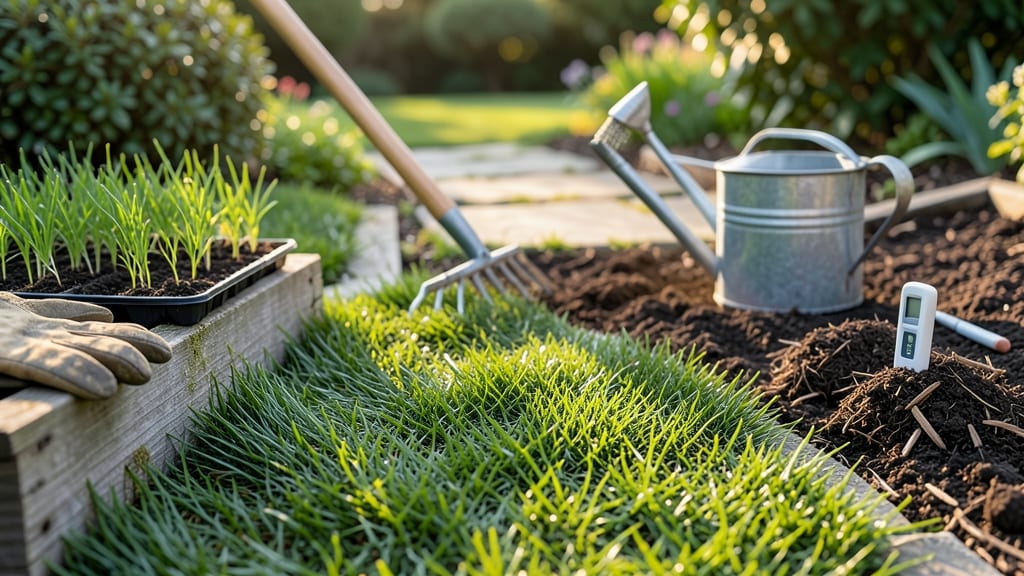
Planting summer grass in Arizona isn’t just about throwing seed on the ground—it’s about catching that perfect window when the desert heat won’t turn your investment into dust.
The right timing means the difference between a lush green lawn by monsoon season and a patchy, struggling yard that never quite recovers.
With USDA Zone 9b temperatures already climbing in April, you might think waiting until summer is safest. But the fastest germination happens when soil warms to 65°F+, which typically lands in late spring—around April to early May.
That’s your sweet spot for Bermuda, Zoysia, or Buffalo grass to take root before the brutal 105°F+ days hit.
Here’s the game-changer: Most gardeners wait too late, only to watch their seed bake in the sun. I’ll show you how to time it right—plus soil prep tricks and watering hacks—to get your 🌱 summer grass thriving before the monsoons arrive. Let’s make your lawn the envy of the neighborhood.
Whether you’re in Phoenix’s low desert or Flagstaff’s cooler microclimate, this guide cuts through the guesswork. You’ll learn exactly when to plant, how to protect your seed from heat stress, and which varieties hold up best in Arizona’s extreme conditions. Ready to skip the trial-and-error?
Optimal planting months for summer grass in Arizona’s climate zones
Arizona’s diverse climate zones—from the scorching low desert of Phoenix to the cooler high desert of Flagstaff—dictate when you can safely plant summer grass. Getting the timing wrong means seed wastage or slow germination. Let’s break it down by region to maximize your success.
In the Sonoran Desert (Phoenix, Tucson), where temperatures soar past 105°F, the sweet spot is late April to early May. This aligns with soil temperatures hitting 65°F+, the threshold for fast germination of Bermuda or Zoysia grass.
Planting too early risks frost damage (rare but possible), while waiting too long means monsoon rains arrive before your lawn establishes.
For higher elevations (Flagstaff, Prescott), aim for mid-May to early June. Cooler nights and shorter growing seasons here mean your grass needs extra time to root before winter slows growth. Use a soil thermometer to confirm temperatures are stable above 60°F before seeding.
Arizona’s monsoon season (July–September) brings sudden downpours, which can wash away fresh seed. Planting in May or early June gives your grass 4–6 weeks to germinate before the heavy rains begin. This timing also avoids the peak heat of July and August, when evaporation rates skyrocket.
| Region | Best Planting Window | Soil Temp Threshold | Key Grass Varieties |
|---|---|---|---|
| Low Desert (Phoenix, Tucson) | Late April–Early May | 65°F+ | Bermuda, Zoysia |
| High Desert (Flagstaff, Prescott) | Mid-May–Early June | 60°F+ | Buffalo Grass, Tall Fescue |
| Monsoon Zone (Sedona, Yuma) | Early June–Mid-July | 68°F+ | Drought-resistant Bermuda |
If you’re in a microclimate—like a shaded yard or near a mountain—adjust your timing by 1–2 weeks later. These areas stay cooler longer, delaying soil warming. Test your soil with a thermometer for 3 consecutive days to confirm consistency before planting.
Pro tip: Plant Bermuda grass in April for the fastest results, but be ready to water daily until germination (7–14 days). Zoysia, slower to sprout (14–21 days), can wait until mid-May with less frequent watering. Always choose pre-treated seed to deter birds and pests in Arizona’s dry conditions.
Miss the ideal window? Don’t panic. You can still plant in late May or early June, but expect slower growth and higher maintenance. Use a starter fertilizer with high phosphorus to boost root development during these later plantings.
Remember: Arizona’s summer grass thrives on heat, but it needs consistent moisture to establish. Plan your planting around your water schedule—aim for deep, infrequent watering (1–1.5 inches per week) to encourage deep roots before the monsoons hit.
🌱
How to time your planting for fast germination in extreme heat
Arizona’s 105°F+ afternoons can turn fresh grass seed into a sad, crispy memory if you’re not careful. The key to fast germination lies in planting when soil temperatures are warm but not scorching—typically late April to early May—and using tricks to shield your seed from the desert sun’s wrath.
Most warm-season grasses like Bermuda and Zoysia need soil at least 65°F to sprout. Wait until mid-morning to sow seed when temperatures are cooler, and always plant on cloudy days or under shade cloth to buy critical time for moisture retention.
Here’s my pro tip: Pre-moisten the soil and use a light mulch layer (like straw) to lock in moisture. This keeps the seedbed cool enough for germination while preventing the topsoil from drying out in minutes.
Without this step, your seed will bake before it even gets a chance to sprout.
⚠️ Critical Mistake: Planting Too Late
Many Arizonans wait until June or July to plant summer grass, thinking the heat has passed. But by then, the intense sun and dry winds make germination nearly impossible. Seedlings struggle to establish roots before the monsoon rains arrive, leading to patchy, weak lawns.
Solution: Plant by May 15 at the latest. If you miss that window, opt for sod instead of seed—it’s the only way to guarantee a green lawn in peak summer.
Once planted, water deeply twice daily (morning and late afternoon) for the first 14 days. Use a sprinkler with fine mist to avoid disturbing the seed.
After germination, taper to every other day but keep watering 1-1.5 inches per week—Arizona’s clay soil can’t hold moisture like northern states, so consistency is everything.
If you’re planting in June or later, focus on shade-tolerant varieties like Buffalo grass and use black plastic mulch to warm the soil faster. This hack can shave off 3-5 days of germination time by raising soil temps by 10-15°F.
Finally, avoid fertilizing until 2-3 weeks post-germination. Young grass needs phosphorus and potassium (like a 5-10-10 blend) to root deeply, not nitrogen, which promotes top growth too early. Too much nitrogen now = heat stress and fungal issues.
Timing isn’t just about the calendar—it’s about reading the microclimate. Check your soil temp with a thermometer (65°F+ at 4 inches deep) and watch for monsoon forecasts. Plant 2 weeks before the first rain to let roots establish before the downpours.