
Plants
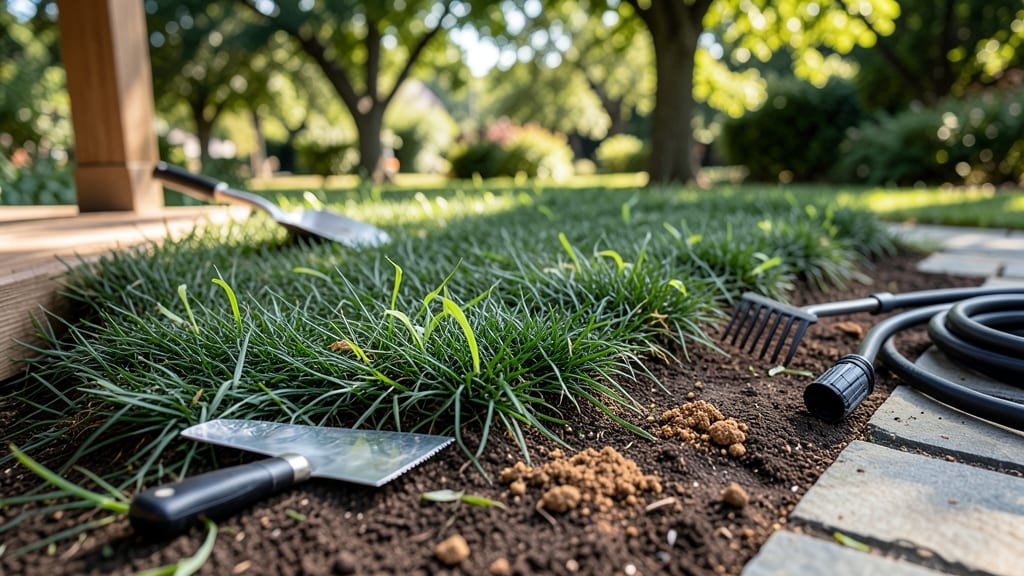
Planting Bermuda Grass in Phoenix, AZ, at the wrong time can mean the difference between a lush, green lawn and a struggling patch that wilts under the desert sun.
The key is timing—too early, and the heat will scorch your efforts; too late, and your grass won’t establish before summer’s brutal dry spell hits.
If you’ve ever stared at a bare yard in May wondering why your Bermuda Grass isn’t thriving, you’re not alone. This heat-loving grass demands precise conditions to take root, and Phoenix’s 9b climate adds another layer of challenge.
The secret lies in planting when soil temperatures hit 65°F or higher—typically late summer or early fall—but there’s more to it than just the calendar.
In this guide, I’ll break down the exact windows when to plant Bermuda Grass in Phoenix, including how to prep your soil, adjust for microclimates, and avoid common pitfalls that turn green dreams into brown disappointment. Let’s get your lawn on the fast track to success.
Whether you’re a first-time homeowner or a seasoned gardener, these actionable steps will help you skip the trial-and-error phase.
By the end, you’ll know exactly when to plant, how to nurture your grass through Phoenix’s extreme heat, and why August-September is your best bet for a resilient lawn that stays green year-round.
Best months to plant Bermuda grass in Phoenix’s extreme heat zones
Phoenix’s 110°F+ summers and monsoon rains create a unique challenge for Bermuda grass. Unlike cooler climates, planting too early risks heat stress, while late planting leaves it vulnerable to winter dormancy.
The ideal window is August through September, when soil temps stay consistently warm but extreme heat has passed.
Bermuda grass thrives in USDA Zone 9b, but Phoenix’s microclimates (like shaded valleys vs. sunbaked hills) demand precision. Planting in late summer aligns with natural rainfall patterns, reducing irrigation needs while ensuring root establishment before winter’s mild chill sets in.
Here’s why August-September is optimal: soil stays above 65°F, monsoon moisture supports germination, and shorter daylight hours reduce transpiration stress. This schedule also avoids the spring heat spike, which can scorch young seedlings.
For homeowners with established lawns, late summer planting lets Bermuda grass compete with weeds more effectively. The grass grows aggressively in fall, filling gaps before winter slows everything down.
Visual Comparison: Below, see how planting timing affects Bermuda grass performance in Phoenix’s climate.
| Planting Window | Soil Temp (°F) | Monsoon Support | Risk Level | Establishment Time |
|---|---|---|---|---|
| Late Winter (Feb-Mar) | 55-65°F | Low (dry season) | High (heat stress) | Slow (4-6 weeks) |
| Spring (Apr-May) | 75-90°F | Moderate (early monsoon) | Medium (scorch risk) | Moderate (3-4 weeks) |
| Late Summer (Aug-Sep) | 80-95°F | High (monsoon peak) | Low (optimal) | Fast (2-3 weeks) |
| Fall (Oct-Nov) | 60-70°F | Low (dry season) | Medium (weed competition) | Slow (4+ weeks) |
If you miss the August-September window, don’t panic. Planting in late spring (May) is the next best option, but you’ll need to water deeply every 2-3 days to prevent heat shock. Avoid planting in June-July—the extreme heat will kill seedlings before they sprout.
Pro tip: Use shade cloth for the first 2 weeks post-planting if your yard gets intense afternoon sun. This buys time for roots to establish while protecting tender shoots from 100°F+ temperatures.
For new lawns, aim to have Bermuda grass fully established by November. This gives it time to build root depth before winter’s mild dormancy period, ensuring a greener spring recovery.
Remember, Phoenix’s desert soil drains quickly. Pair your planting with hydromulch or straw mulch to retain moisture during the critical first 30 days. This simple step can double survival rates in our dry climate.
Finally, monitor your lawn’s color and growth rate after planting. Bermuda grass should show new blades within 2-3 weeks in ideal conditions. If it’s yellowing or wilting, adjust your watering or check for soil compaction.
Best months to plant Bermuda grass in Phoenix’s extreme heat zones
Phoenix’s 9b climate demands precision when planting Bermuda grass—this heat-loving grass thrives only when soil temperatures reach 65°F+, making timing everything. The best window is late August through September, just before monsoon rains taper off and before winter dormancy begins.
This timing ensures your grass gets the consistent moisture it needs to establish strong roots before summer’s brutal heat returns.
Planting in early spring (March-April) is a close second, but risks include rapid evaporation and heat stress as temperatures climb. Meanwhile, fall planting (October-November) can work if you’re quick—just ensure your grass has 4-6 weeks to root before winter slows growth.
The key is avoiding peak summer heat (June-August), when even established Bermuda grass struggles.
Here’s the golden rule: Soil temperature > 65°F + monsoon moisture = success. Use a soil thermometer to confirm—if it’s cooler, wait. In Phoenix, this usually aligns with late summer, but microclimates (like shaded areas) may need adjustments.
For example, south-facing yards heat up faster and can plant 1-2 weeks earlier than north-facing spots.
| Planting Window | Soil Temp | Monsoon Support | Risk Level | Best For |
|---|---|---|---|---|
| Late August - Early September | 65°F+ | High (monsoon rains) | Low | Fastest establishment |
| March - April | 60°F+ | Low (spring drought) | Medium | Spring lawns with irrigation |
| October (Early) | 65°F+ | None (dry season) | High (time-sensitive) | Quick fall transitions |
| June - July | 90°F+ | None (peak heat) | Very High | Avoid (unless shade-covered) |
If you miss the August-September window, don’t panic—spring planting (March-April) can still work if you irrigate deeply and mulch heavily to retain moisture. Just be prepared for slower growth as temperatures rise.
For shaded yards, extend your window by 2-3 weeks—cooler microclimates allow for earlier spring or later fall planting.
Pro tip: Test your soil’s moisture retention before planting. In Phoenix’s alkaline soil, Bermuda grass needs well-draining yet moisture-retentive conditions. Amend with compost or gypsum if drainage is poor.
Once established, Bermuda grass is drought-tolerant, but the first 6 weeks are critical for root development—never skip watering during this phase.
Remember, Phoenix’s heat is unforgiving—plant at the right time, and your Bermuda grass will reward you with a thick, green lawn that outlasts even the harshest summers.
Start with the August-September window, and you’ll be well on your way to a low-maintenance, heat-resistant lawn that’s the envy of the neighborhood. 🌱