
Plants
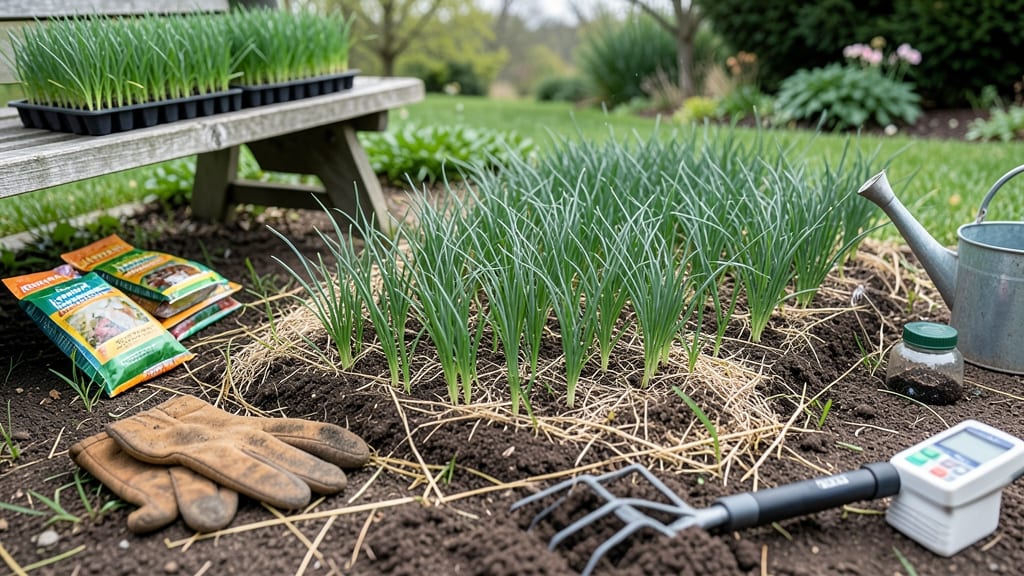
Planting grass seed in the fall is your secret weapon for a thick, lush lawn—but get the timing wrong, and you'll end up with patchy results or wasted effort.
The key lies in those 4-6 weeks before frost, when cooler temperatures and reduced weed competition give seedlings the perfect chance to take root.
In USDA Zone 6a (like much of the Midwest and Northeast), that window typically opens in late September and closes by mid-October. But whether you're in the chilly North or milder South, understanding your local frost dates is the first step to success.
I'll show you exactly how to calculate your ideal planting window and prepare your soil for maximum seedling success.
Why fall? Because cooler weather means less stress on young grass, and fewer weeds compete for resources. Plus, roots establish deeper before winter, giving you a head start come spring. Let's break down the best strategies to turn your lawn dreams into reality—no guesswork required.
From soil prep to seed selection, I'll cover everything you need to know to make this fall the best one yet for your 🌱 Grass (Cool-Season Turfgrass). Ready to transform your yard? Let's get started.
Best fall planting windows by US climate Zones: when to seed before frost
Timing is everything when planting grass seed in fall—get it right, and you’ll have a lush lawn by spring. The ideal window is 4-6 weeks before your first frost, but this varies dramatically by region.
In USDA Zones 3-5, that might mean seeding in late August, while Zones 7-10 can plant until early November. Let’s break it down by zone so you can plant at the perfect time for your climate.
Cooler fall temperatures reduce weed competition and help grass seeds establish strong roots before winter. However, planting too late risks frost damage to young seedlings. The key is ensuring soil stays above 50°F (10°C) for at least 4-6 weeks post-planting.
This gives seedlings time to germinate and develop a 3-4 inch root system before dormancy.
Here’s how to calculate your personal planting window: Check your average first frost date (use the USDA Plant Hardiness Zone Map), then count backward 4-6 weeks. For example, if frost hits November 15, aim to plant by October 1-15.
Pro tip: Use a soil thermometer to confirm temperatures—ideal soil temps for germination are 60-75°F (15-24°C).
Northern climates (Zones 3-5) have the shortest windows, often just 4-5 weeks before frost. Southern regions (Zones 7-10) enjoy longer seasons, with some areas able to plant until December. However, even in warm zones, avoid planting when daytime highs drop below 70°F (21°C), as germination slows dramatically.
If you’re in a transition zone (Zones 6-7), pay extra attention to microclimates—low-lying areas may frost earlier than hillsides. For example, a northern exposure in Zone 7 might need seeding by mid-September, while a southern slope could wait until October 15.
Always err on the earlier side if unsure.
Another critical factor is daylength. Grass seeds need 12-14 hours of daylight for optimal germination. In late fall, shorter days can slow growth, so aim to finish planting by mid-October in most regions.
If you’re pushing the envelope (e.g., planting in November), use a lightweight row cover to protect seedlings from cold snaps.
Don’t forget that warm-season grasses (like Bermuda or Zoysia) should not be planted in fall—they thrive in summer heat. Stick to cool-season varieties like Kentucky bluegrass, tall fescue, or perennial ryegrass for fall planting. These grasses enter dormancy naturally when temps drop, making them perfect for winter survival.
Pro move: Mark your calendar with your local frost dates and set a reminder to plant 4-6 weeks out. This gives you time to prep soil, order seed, and avoid last-minute stress.
And if you miss the window? Don’t worry—spring planting is possible, but fall is always the gold standard for thick, resilient lawns.
How to prepare soil and conditions for fall grass seed success
Preparing your soil for fall grass seed planting is the foundation of a thick, healthy lawn. Start by testing your soil's pH level—ideal for most grasses is between 6.0 and 7.0.
If your soil is too acidic or alkaline, amend it with lime (to raise pH) or sulfur (to lower pH) 4-6 weeks before planting.
Next, focus on aeration to break up compacted soil. Rent a core aerator or use a manual aeration tool to create small holes every 2-3 inches. This allows seeds to reach the soil and roots to establish without competition.
Aim for this step 2-3 weeks before seeding to give the soil time to settle.
- Planting too late: Seeds need 4-6 weeks to germinate before frost.
- Skipping soil prep: Compacted or uneven soil leads to poor seed contact.
- Overwatering: Soggy soil suffocates seeds and encourages fungus.
- Ignoring weeds: Pre-emergent herbicides can block grass seed germination.
Clear the area of debris, rocks, and weeds using a rake or dethatcher. For stubborn weeds, apply a post-emergent herbicide 2-3 weeks before seeding—but avoid pre-emergent, as it prevents grass from sprouting. After clearing, lightly rake the soil to create a fine, level surface for even seed distribution.
Moisture is critical in the first 2 weeks after planting. Water deeply twice daily (morning and evening) to keep the top 1-2 inches of soil consistently damp. Use a sprinkler with fine mist to avoid displacing seeds.
Once seedlings reach 2-3 inches tall, reduce watering to 1-1.5 inches per week, favoring morning sessions to minimize evaporation.
Finally, consider applying a starter fertilizer with a balanced NPK ratio (10-10-10 or 20-20-20). This provides essential nutrients for rapid root and shoot growth. Spread it evenly over the soil before seeding, then lightly rake it in. Avoid high-nitrogen fertilizers, which can burn young seedlings.
With these steps, your soil will be primed for optimal germination and a lawn that thrives through winter. The key is patience—fall planting rewards those who prepare thoroughly. 🌱