
Plants
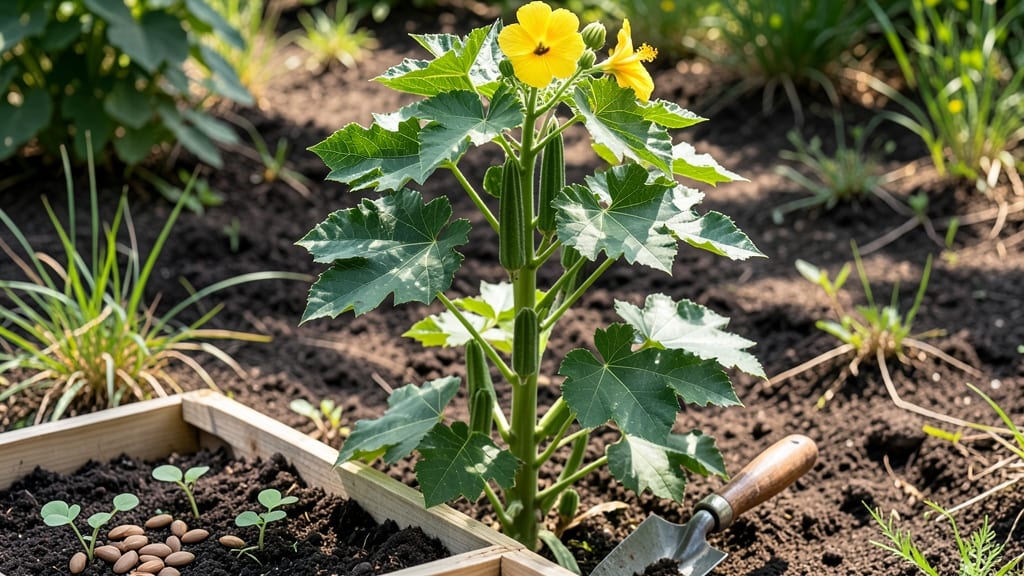
If you’ve ever wondered when to plant okra in Texas, the answer isn’t just about months—it’s about beating the heat and avoiding frost.
This summer-loving 🌱 thrives when soil warms to at least 60°F, but planting too early in North Texas (like Dallas) could mean frost damage, while waiting too long in South Texas (like Houston) risks missing peak harvests.
Texas’s long growing season—from 8a to 11 zones—gives you flexibility, but timing varies by region. Whether you’re in the Panhandle or the Rio Grande Valley, the key is planting after the last frost (mid-March to late July) and choosing heat-resistant varieties that won’t wilt under 100°F temps.
Here’s the game-changer: direct sowing works best for okra, but if you start indoors, transplant seedlings only after nighttime temps stay above 55°F. We’ll break down the exact months for North vs. South Texas and the top varieties that handle Texas heat like a pro.
Ready to grow okra that’s bigger, faster, and more resilient? Let’s dive into the planting schedule that’ll turn your Texas garden into a pod-producing powerhouse.
Best months to plant okra in Texas by region (North vs. south)
Okra thrives in Texas’s hot summers, but planting too early risks frost damage while late planting cuts harvest time. The best window depends on your region—North Texas (like Dallas) has later frost dates than South Texas (Houston).
I’ll break it down by zone so you can time your planting perfectly for maximum yield and pod tenderness.
For North Texas (USDA Zones 7b-8a), aim for mid-April to early June.
This avoids late frosts (which can hit as late as March 15 in some areas) while giving plants enough time to mature before summer heat peaks. Central Texas (Zones 8a-8b) can start late March to mid-May, while South Texas (Zones 9a-11) enjoys a longer window: February to July.
Okra is a warm-season crop, so always wait until soil temperatures hit at least 60°F—use a soil thermometer to confirm. Seedlings won’t germinate in cold soil, and transplanting into chilly ground stresses plants.
In North Texas, this often means waiting until after Mother’s Day weekend unless you’re using black plastic mulch to warm the soil faster.
Most Texas gardeners direct-sow okra seeds (they dislike transplanting), but if you start indoors, wait until after the last frost date and harden off seedlings for 7-10 days before moving them outside. South Texas gardeners can even squeeze in a fall crop by planting in late July to early August for a harvest before the first frost (usually mid-November).
| Region | USDA Zone | Best Planting Window | Last Frost Date | Notes |
|---|---|---|---|---|
| North Texas | 7b-8a | Mid-April to Early June | March 15 | Use black plastic mulch for earlier starts |
| Central Texas | 8a-8b | Late March to Mid-May | February 15 | Ideal for two harvests: spring and fall |
| South Texas | 9a-11 | February to July | January 1 | Can plant year-round with success |
Okra’s long growing season (60-90 days to harvest) means you can extend your harvest by succession planting every 2-3 weeks during peak months. For example, in Austin, plant seeds on April 1, April 15, and May 1 to enjoy pods from June through September.
This staggered approach ensures a continuous supply of fresh okra straight from your garden.
Soil prep is just as critical as timing. Okra prefers well-draining soil with a pH of 6.0-7.0. Before planting, mix in 2-3 inches of compost to improve fertility and moisture retention. In sandy soils (common in West Texas), add organic matter like peat moss to help retain water during dry spells. Avoid heavy clay soils unless amended—okra roots need oxygen to thrive.
One Texas-specific tip: If you’re in an area prone to late spring rains (like East Texas), space your planting to avoid soil compaction from heavy downpours. Use raised beds or container gardening if your soil stays soggy for more than a week.
Okra hates wet feet, and prolonged moisture stress leads to root rot and stunted growth.
For container growing, choose 5-gallon pots with drainage holes and plant 1-2 seeds per container. This works well for balconies in urban areas like San Antonio or Dallas, where space is limited. Just ensure pots get full sun and water deeply every 2-3 days during summer heat.
Finally, monitor your local weather forecasts for unexpected cold snaps. Even in South Texas, a rare February freeze can damage tender okra seedlings. If frost is forecasted, cover plants with frost cloth or move containers indoors temporarily.
With the right timing and care, your okra plants will reward you with abundant, tender pods all summer long.
Best months to plant okra in Texas by region (North vs. south)
Texas’s diverse climate means your okra planting window can vary dramatically—from North Texas’s chilly springs to South Texas’s early warm spells.
In Dallas/Fort Worth (Zone 8a), wait until mid-April after the last frost (typically March 15), while Houston/Corpus Christi (Zone 9a-11) gardeners can start as early as late February when soil hits 60°F.
Central Texas (Austin/San Antonio, Zone 8b-9a) offers a middle ground with March 1-April 15 as the sweet spot. The key? Soil temperature trumps calendar dates—okra seeds won’t germinate below 60°F, and seedlings will bolt in 50°F nights. Use a soil thermometer to confirm readiness.
🌱 Texas Okra Planting Schedule by Region
| Region | Last Frost Date | Ideal Planting Window | Soil Temp Requirement | Notes |
|---|---|---|---|---|
| North Texas (Dallas/Fort Worth) | Mid-March | Mid-April to May 15 | 60°F+ | Direct sow after last frost; avoid transplanting |
| Central Texas (Austin/San Antonio) | Late February | March 1 to April 15 | 60°F+ | Can extend to late July for fall harvests |
| South Texas (Houston/Corpus Christi) | Early January | Late February to July 1 | 60°F+ | Longest growing season; plant every 2 weeks |
⚠️ Pro Tip: South Texas gardeners can squeeze in two harvests—spring and fall—by planting in February and July.
Direct sowing is best for okra—transplants struggle with root shock in Texas’s heat. Space seeds 12-18 inches apart in rows 3 feet apart to allow airflow and reduce fungal risks like powdery mildew.
For North Texas, opt for black plastic mulch to warm soil faster and deter weeds.
If you’re in Zone 10-11 (Rio Grande Valley), treat okra like a tropical annual—plant in February and again in July for fall harvests. Just watch for stink bugs, which thrive in the humidity. Handpick them early to protect your pods.
For extended harvests, succession plant every 2-3 weeks from March to July. This ensures a steady supply of tender pods (harvest when 2-3 inches long) before the plant shifts energy to seed production.
In North Texas, focus on early varieties like 'Clemson Spineless' to beat the heat.
Remember: Okra hates cold. Even a light frost will kill seedlings, so always check your local USDA Zone and microclimate (e.g., urban heat islands in Dallas vs. rural areas). With the right timing, your Texas garden can produce pods from spring to fall—no frost in sight! 🌡️