
Plants
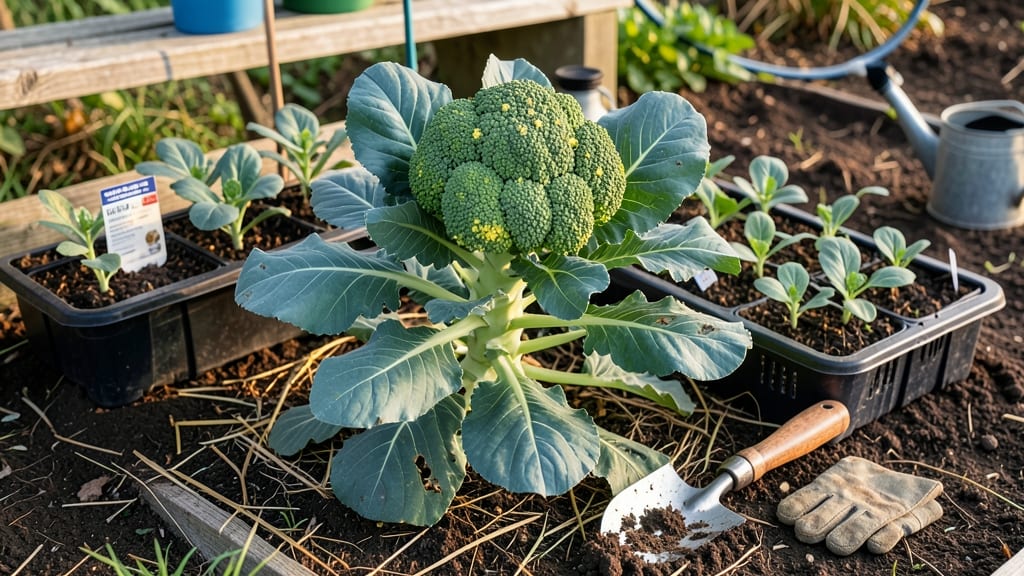
Figuring out when to plant broccoli in Zone 9 can feel like solving a puzzle—one wrong move, and your 🥦 bolts before you even get to taste it. Unlike cooler climates, Zone 9’s mild winters and hot summers demand precision timing to avoid heat stress or premature flowering.
Here’s the secret: broccoli thrives in Zone 9’s fall and winter months, when temperatures dip below 80°F. Planting in October or November gives your broccoli the ideal 60-day growing window before spring’s rising heat triggers bolting.
But timing isn’t the only factor—soil prep and variety choice play a role too.
If you’ve ever struggled with bolting broccoli or wondered why your plants wilt in summer, this guide will show you exactly when and how to plant for consistent harvests.
We’ll cover the best varieties for Zone 9, succession planting tricks, and how to beat the heat—so you can enjoy fresh 🥦 from February through April.
Ready to grow broccoli that actually matures? Let’s dive into the bolting-proof schedule that works for Southern California, Arizona, and Nevada’s unique microclimates—no guesswork required.
Best planting windows for broccoli in Zone 9 to avoid bolting
In Zone 9, where summers are long and hot, timing is everything when planting broccoli. The key is to avoid heat stress and premature bolting—broccoli’s way of flowering too early. The ideal windows are fall and winter, when temperatures stay mild and soil remains cool.
Planting in September or October gives your broccoli a head start before winter sets in, while December to January plantings ensure harvests just as spring arrives.
Zone 9’s microclimates add another layer of complexity. Coastal areas like San Diego or Santa Barbara stay cooler longer, while inland regions like Phoenix or Las Vegas can experience sudden heat spikes.
Adjust your planting schedule based on your specific location’s last frost date—though Zone 9 rarely sees frost, temperature drops below 50°F can slow growth.
Soil temperature is just as critical as air temperature. Broccoli thrives when soil stays between 45°F and 75°F. If your soil heats above 80°F, even for a few days, your plants will bolt. Use a soil thermometer to monitor conditions, especially in spring when days warm up quickly.
For transplants, aim to plant 6-8 weeks before your average last frost—though in Zone 9, this is more about avoiding heat than frost. If you’re starting from seeds, sow them 4-6 weeks before transplanting indoors or under shade cloth to protect young seedlings.
Here’s a quick guide to optimal planting windows in Zone 9:
| Planting Window | Ideal Months | Soil Temp | Notes |
|---|---|---|---|
| Early Fall | September - October | 60°F - 75°F | Best for coastal areas; avoid inland heat spikes. |
| Winter | December - January | 50°F - 65°F | Harvests align with spring; use row covers for frost protection. |
| Late Winter | February | 55°F - 70°F | Risk of bolting increases; use shade cloth if temps rise. |
If you’re in an inland Zone 9 area, like the Coachella Valley or Phoenix metro, heat can be a bigger challenge. In these regions, September plantings are riskier because temperatures often exceed 90°F by late summer.
Instead, focus on October to November plantings and use shade cloth to keep soil temperatures down. For coastal gardeners, September transplants can work if you provide afternoon shade.
One common mistake is assuming Zone 9’s mild winters mean you can plant broccoli anytime. While it’s true that frost isn’t a concern, cold snaps below 40°F can stunt growth. If you plant in December or January, monitor weather forecasts and use row covers or mulch to insulate roots.
This is especially important for young seedlings, which are more vulnerable to temperature swings.
For spring plantings, timing is tight. Broccoli planted in February may bolt by April if temperatures climb too quickly. To mitigate this, choose heat-tolerant varieties like 'De Cicco' or 'Waltham 29', and always pair them with drip irrigation to keep soil evenly moist.
Watering in the early morning helps prevent heat stress by reducing evaporation.
Pro tip: Succession planting can extend your harvest window. Start a new batch every 2-3 weeks from September through January to ensure a steady supply. This works especially well in container gardens, where you can rotate plants more easily.
Just remember, smaller containers dry out faster, so check soil moisture daily during heatwaves.
Finally, don’t overlook the power of mulching. A 2-3 inch layer of straw or wood chips keeps soil cool, retains moisture, and suppresses weeds. In Zone 9’s dry climate, mulch can mean the difference between a thriving broccoli plant and one that bolts prematurely.
Apply mulch right after planting and replenish it as it breaks down.
With these planting windows and tips, you’ll avoid the pitfalls of Zone 9’s heat and enjoy a bountiful broccoli harvest from fall through spring. Happy gardening! 🌱
Best planting windows for broccoli in Zone 9 to avoid bolting
In Zone 9, broccoli’s biggest enemy isn’t frost—it’s heat stress and premature bolting. The key to success is planting when daytime temperatures stay below 75°F and nights dip into the 50s°F.
This narrow window typically falls between mid-October and early November for fall crops, with a second chance in late December to January for winter harvests.
Why these dates? Broccoli needs 60-90 days to mature, and Zone 9’s winters are just cool enough to prevent bolting while avoiding summer’s scorching heat. Plant too early (like September), and your broccoli will bolt before forming heads. Too late (after January), and spring’s rising temperatures will stress your plants.
Here’s the bolting-proof schedule tailored for Zone 9’s microclimates, whether you’re in coastal Southern California (milder winters) or inland desert areas (cooler nights):
| Planting Window | Soil Temp (°F) | Days to Harvest | Harvest Month | Notes |
|---|---|---|---|---|
| Mid-October | 60-65°F | 60-70 | February-March | Best for coastal areas; use shade cloth if temps rise above 75°F. |
| Early November | 55-60°F | 70-80 | March-April | Ideal for inland zones; slower growth but fewer bolting risks. |
| Late December | 50-55°F | 80-90 | April-May | Riskier; monitor for early spring heat spikes. |
| January (coastal only) | 55-60°F | 85-90 | May-June | Use shade cloth and frequent watering to delay bolting. |
Pro tip: Test your soil temperature before planting—broccoli roots thrive in 55-70°F soil. Use a soil thermometer to avoid planting too early when soil is still warm from summer. If your soil runs hotter than 75°F, wait 2-3 weeks or use black plastic mulch to cool the roots.
For container gardening in Zone 9, start seeds indoors in September and transplant seedlings in October. Containers heat up faster, so choose self-watering pots and place them in partial shade during peak afternoon sun. This extends your growing window by 2-3 weeks compared to in-ground planting.
Remember: Spring planting is a gamble in Zone 9. By March, temperatures often climb above 80°F, triggering bolting within weeks. If you’re determined to try, opt for fast-maturing varieties (like ‘De Cicco’) and provide 30% shade cloth to buy time for harvest.