
Plants
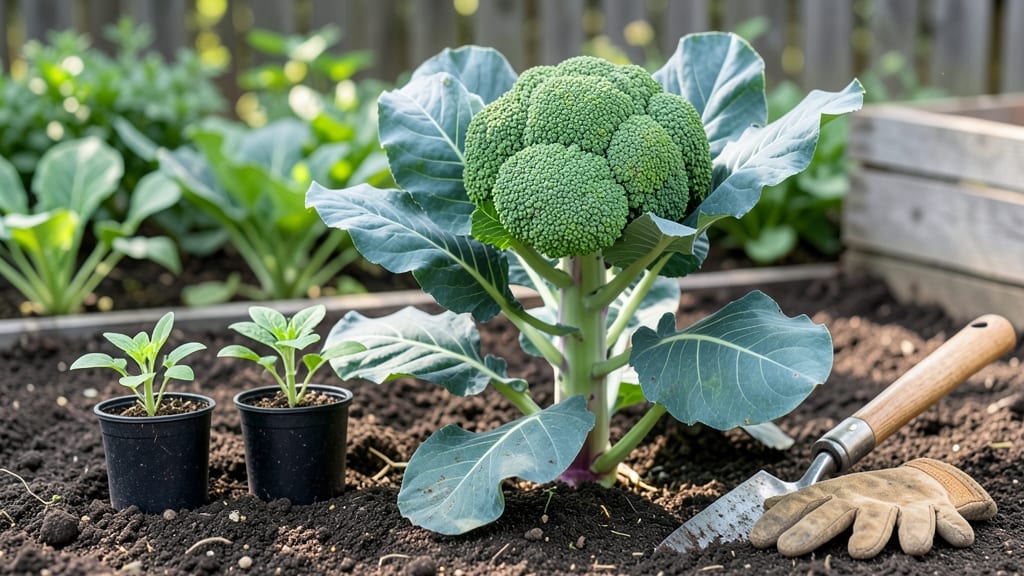
Planting broccoli in Texas might seem tricky—this cool-weather crop hates the heat, but timing it right means you can actually grow 🥦 broccoli here with great success. The key is working with Texas' unique climate, where fall and spring offer the perfect windows to avoid bolting and heat stress.
Most Texas gardeners focus on two planting seasons: late summer for a fall harvest and early spring for a spring crop. In USDA zones 8a-10b, your best bet is to plant between August and October for fall broccoli, or February and March for spring.
These timing strategies help you beat the worst of the summer heat while maximizing your harvest potential.
Why does this matter? Because broccoli planted at the wrong time will bolt—sending up bitter flowers instead of the tender heads you want. I’ll show you exactly how to time your plantings for optimal growth, including regional adjustments for North vs. South Texas frost dates.
Ready to grow your own crisp, flavorful broccoli? Let’s dive into the proven methods that actually work in Texas gardens, from variety selection to heat-beating techniques that’ll keep your plants happy until harvest time.
Best planting times for broccoli in Texas by region (avoid bolting!)
Texas’s diverse climate means broccoli planting times vary dramatically from North Texas to South Texas. The key is avoiding summer heat, which causes broccoli to bolt (flower prematurely). In most regions, fall planting yields the most reliable harvests, while spring planting works only in cooler northern areas.
Broccoli thrives in cool weather (ideal temperatures: 60-75°F). Texas’s last frost dates range from mid-December in North Texas to late January in South Texas, while first frost dates hit as early as November in the Panhandle or as late as February in the Rio Grande Valley.
Here’s how to time your plantings perfectly for each Texas region, using frost-free days and heat avoidance as your guides:
| Region | Fall Planting Window | Spring Planting Window | Harvest Time | Key Tip |
|---|---|---|---|---|
| North Texas (USDA 8a) | August 15 - September 30 | February 15 - March 15 | November - December | Use shade cloth in late summer |
| Central Texas (USDA 8b) | August 1 - September 20 | February 1 - March 10 | October - November | Plant transplants for faster growth |
| South Texas (USDA 9a-10b) | July 15 - August 31 | January 15 - February 15 | September - October | Prioritize heat-tolerant varieties |
For North Texas gardeners, fall planting (August-September) is your best bet. The cooler temperatures after Labor Day reduce bolting risks, and you’ll harvest just before winter frosts.
If you’re in Central Texas, aim for early August to beat the worst heat, while South Texas gardeners should plant by mid-July to avoid summer’s peak.
Spring planting is trickier in Texas. Only North Texas (USDA Zone 8a) has enough cool days to grow broccoli successfully in February-March. In Central and South Texas, spring plantings often fail due to early heat waves, so focus on fall harvests instead.
Pro tip: Use succession planting every 2-3 weeks during your region’s fall window. This ensures a continuous harvest and reduces the risk of losing your entire crop to bolting or pests. For example, if you plant August 15, follow up with September 1 and September 15 batches.
Always check your local frost dates (via Texas A&M AgriLife or Almanac.com) and adjust planting by 4-6 weeks before the first frost. This timing ensures broccoli matures before cold snaps hit.
In South Texas, where winters are mild, you can even experiment with winter planting (November-December) for early spring harvests.
Remember: Soil temperature matters too. Broccoli seeds need soil at 40-85°F to germinate. Use a soil thermometer to confirm conditions before planting. If your soil is too hot (above 85°F), wait until evening to sow seeds or use shade cloth to cool the bed.
With the right timing, you can enjoy homegrown broccoli in Texas—just don’t let the heat beat you to it! 🌱
Best planting times for broccoli in Texas by region (avoid bolting!)
Texas' climate varies dramatically from north to south, so planting times for broccoli depend heavily on your USDA zone.
In North Texas (zones 7b-8a), like Dallas or Fort Worth, your last frost typically hits around December 15, while South Texas (zones 9a-10b), like Houston or San Antonio, rarely sees frost before January 31. This means timing your plantings to avoid summer heat is critical.
For most Texas gardeners, the ideal planting windows are late summer (August-September) for a fall harvest and early spring (February-March) for a spring crop. These windows help you avoid the 90°F+ temperatures that cause broccoli to bolt prematurely.
Let’s break down the exact timing for each region to maximize your harvest.
In North Texas, aim to plant 4-6 weeks before your first frost to ensure a fall harvest before winter sets in. For example, if your frost date is December 15, plant by October 15.
In South Texas, where frost is rare, you can push your fall planting later—even into early October—but be prepared for potential heat stress if temperatures spike.
For spring plantings, North Texas gardeners should start seeds indoors in January and transplant outdoors by February 15. South Texas gardeners can plant directly outdoors as early as January 15, thanks to milder winters.
The goal is to have broccoli mature before summer heat arrives—typically by late May or early June.
Pro tip: Use shade cloth (30-50%) during extreme heat to protect young plants. In South Texassuccession planting every 2-3 weeks from August to October to extend your harvest window. This ensures you always have young plants that can tolerate the heat better than mature ones.
Remember, soil temperature matters too! Broccoli seeds germinate best in 40-85°F soil. If your soil is too hot (above 85°F), wait until nighttime temperatures drop before planting to avoid stress. Use a soil thermometer to check—it’s a game-changer for Texas gardeners!