
Plants
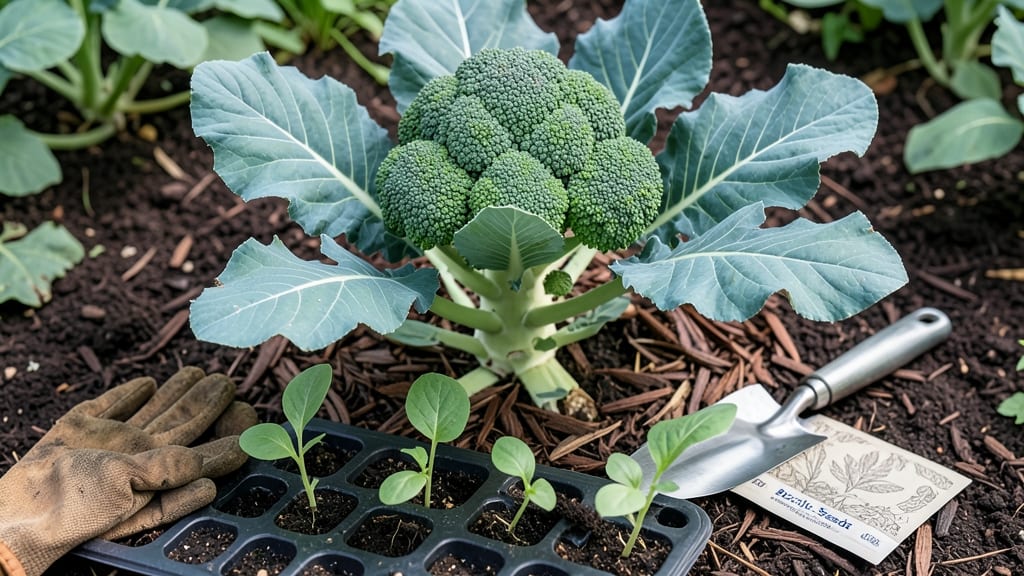
If you’ve ever planted broccoli 🥦 in Zone 6 only to watch it bolt into bitter flowers before harvest, you’re not alone—and the fix starts with timing. The key to success lies in two critical windows: early spring (March–April) and late summer (August–September).
These periods balance soil warmth, frost risk, and daylight length to prevent bolting—the gardener’s worst nightmare. Whether you’re a first-timer or a seasoned grower, mastering when to plant broccoli in Zone 6 will transform your harvest from hit-or-miss to reliable.
I’ll break down exactly when to plant for your specific Zone 6a-6b climate, including how to adjust for last frost dates and heatwaves. Plus, you’ll learn how succession planting can stretch your harvest for months—no more empty garden beds! Ready to grow broccoli that’s bold, beautiful, and bolt-free?
Let’s dive into the science-backed schedule that works for your region.
Optimal broccoli planting times in Zone 6: spring vs fall schedule
Zone 6 gardeners have a 6-week window for spring broccoli planting, starting 4-6 weeks before your last frost date. For most of Zone 6, this means early March to mid-April. The key is planting when soil temperatures reach 40°F (4°C)—cold soil slows germination and invites rot.
Your last frost date (typically mid-April in Zone 6) is your anchor. For example, if frost arrives April 15, aim to plant by March 15. Use local weather records or the USDA Plant Hardiness Zone Map to pinpoint your exact date.
Fall planting in Zone 6 opens 8-10 weeks before your first frost (usually mid-October). This translates to late August to early September for most of the zone. Fall crops thrive because cooler temps prevent bolting, and harvests align with October-November when markets charge premium prices.
Here’s the golden rule: Spring broccoli needs 60-70 days to mature, while fall broccoli has 80-90 days before frost. Calculate backward from your first frost to avoid bitter, woody stems.
| Planting Window | Soil Temp | Days to Maturity | Risk Factor |
|---|---|---|---|
| Early Spring (March 15-April 15) | 40-50°F (4-10°C) | 60-70 days | Frost damage |
| Late Spring (April 15-May 15) | 50-60°F (10-15°C) | 70-80 days | Bolting (heat stress) |
| Fall (August 15-September 15) | 45-55°F (7-13°C) | 80-90 days | Premature frost |
For succession planting, stagger seeds every 2 weeks in spring or 3 weeks in fall. This ensures a continuous harvest and reduces bolting risks by preventing overcrowding. For example, plant March 1, March 15, and April 1 for spring, then August 15, August 30, and September 10 for fall.
Pro tip: Use shade cloth (30-50%) during late spring heatwaves to protect young plants. This buys you 1-2 extra weeks before bolting kicks in. Test soil temps with a soil thermometer—broccoli roots thrive at 60-70°F (15-21°C).
Zone 6’s microclimates matter. If you’re in a warmer microclimate (e.g., near a south-facing wall), shift planting 1-2 weeks earlier. Conversely, cooler valleys may need a 2-week delay to avoid frost.
Remember: Broccoli hates heat. If daytime temps exceed 80°F (27°C) for more than 3 days, your plants will bolt. Fall planting is your safest bet for consistent yields in Zone 6’s unpredictable summers.
Start seeds indoors 4-6 weeks before transplanting to give seedlings a head start. Use biodegradable pots to avoid root disturbance when moving outdoors. Harden off seedlings by exposing them to outdoor conditions for 1 week before planting.
Optimal broccoli planting times in Zone 6: spring vs fall schedule
In Zone 6, broccoli thrives when planted during two critical windows: early spring (March–April) and late summer (August–September). These timings align with soil temperatures between 40°F–85°F, preventing bolting—the enemy of a perfect head.
For spring, aim to plant 4–6 weeks before your last frost date (typically mid-April in Zone 6a-6b). Fall plantings should go in 8–10 weeks before the first frost (mid-October), ensuring harvests before winter sets in.
Your last frost date is the linchpin—check your local USDA Zone 6a-6b average (usually late March to early April). For example, if your last frost is April 15, plant spring broccoli by March 1–15.
Use a soil thermometer to confirm warmth (ideal: 50°F+ at 2 inches deep). Pro tip: Start seeds indoors 6–8 weeks before transplanting to jumpstart growth.
🌱 Broccoli Planting Windows in Zone 6
| Season | Planting Month | Soil Temp | Days to Harvest |
|---|---|---|---|
| Spring | March–April | 50°F–75°F | 70–90 days |
| Fall | August–Early Sept | 55°F–70°F | 60–80 days |
Fall plantings are your secret weapon for continuous harvests. By sowing in late August, you’ll harvest in October–November, just as cooler weather arrives. This avoids the heat stress that triggers bolting in late spring.
For both seasons, choose fast-maturing varieties like 'Waltham 29' (70 days) for spring or 'De Cicco' (60 days) for fall. These tolerate Zone 6’s temperature swings better than slower varieties.
Don’t overlook succession planting—sow every 2 weeks in spring and 3 weeks in fall to keep heads coming. In Zone 6, this means March 1, 15, 30 for spring and August 1, 15, 28 for fall.
Space plants 18–24 inches apart to prevent crowding, which stresses roots and invites pests. Mulch with straw or shredded leaves to retain moisture and regulate soil temps.
Watch for late spring heatwaves (common in Zone 6’s May–June). If temps hit 80°F+, broccoli bolts in 3–5 days. Shade cloth (30–50%) can buy you time. For fall, prioritize cool-season varieties—they handle Zone 6’s September chill better than tropical cousins.
Test soil pH (ideal: 6.0–7.0) and amend with compost if needed; broccoli is a heavy feeder.
Timing isn’t just about frost dates—it’s about balancing growth stages. Plant too early, and frost nips seedlings. Too late, and heat ruins your crop. Use these windows, and you’ll harvest bold, flavorful heads—no bitter surprises. Next, we’ll tackle how to prevent bolting in Zone 6’s tricky weather. 🌿