
Plants
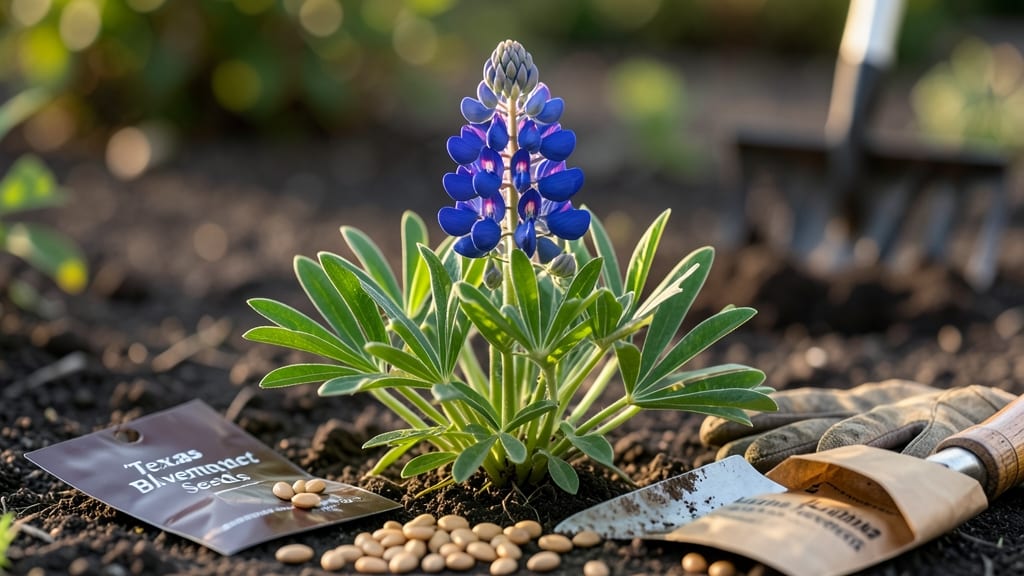
When to plant bluebonnet seeds in Houston is the secret to those dreamy spring carpets of blue you’ve been admiring. Plant too early, and summer’s brutal heat will fry your seedlings before they sprout. Too late, and frost might nip them before they take root. But get it perfect—between late September and October—and you’ll enjoy a showstopping display that makes every Houston garden the talk of the neighborhood.
Houston’s Zone 9a climate gives you a narrow but critical window to work with. The key is planting 6–8 weeks before your first frost (usually around mid-December), when soil temperatures dip below 70°F but haven’t yet locked into winter chill.
This timing lets seeds germinate slowly, avoiding the stress of sudden cold snaps while still establishing roots before spring’s warmth kicks in.
Why does this matter? Because bluebonnets are annuals—they bloom once, then fade, leaving you with nothing but memories (and maybe a few saved seeds for next year). But when you nail the planting window, you’re not just growing flowers; you’re creating a living postcard of Houston’s signature spring beauty.
Let’s break down exactly how to make it happen, step by step.
From soil prep to frost watch, I’ll walk you through the critical factors that separate a thriving bluebonnet patch from a sad, sparse disappointment.
Spoiler: It’s not just about the calendar—it’s about reading Houston’s quirks, like clay-heavy soil and those sneaky microclimates that can make your backyard behave differently than your neighbor’s. Ready to turn your yard into a bluebonnet paradise?
Houston’s ideal bluebonnet planting timeline: month-by-month breakdown
Timing is everything when planting bluebonnet seeds in Houston’s Zone 9a climate. Unlike cooler regions, Houston’s mild winters and hot summers create a narrow window for optimal germination. Plant too early, and seeds may rot from excess moisture; too late, and they’ll struggle before spring blooms.
The ideal window spans late September through October, aligning with cooler soil temperatures and reduced competition from Bermuda grass.
Houston’s average last frost date is around January 10, but bluebonnets are cold-hardy annuals that can handle brief freezes. The key is to sow seeds 6–8 weeks before your first frost—typically by mid-October—to allow roots to establish before winter dormancy.
This timing ensures vibrant spring blooms (March–May) when Houston’s landscape craves color.
🌱
| Month | Planting Action | Soil Temp (°F) | Key Considerations |
|---|---|---|---|
| August | Prep soil; remove Bermuda grass | 80–90°F | Avoid planting—heat stress risks |
| September | Sow seeds (late Sept) | 70–80°F | Ideal germination window opens |
| October | Best planting month | 60–70°F | Cooler temps reduce fungal risks |
| November | Late sowings possible | 50–60°F | Use mulch to protect seedlings |
| December–February | Dormancy period | 40–55°F | No planting; focus on soil health |
Houston’s urban vs. suburban microclimates can shift planting dates by 1–2 weeks. Urban areas with concrete heat islands may need slightly earlier sowings (early October) to counteract warmer soil temperatures. Conversely, suburban zones with more shade trees can wait until mid-October without risking heat stress.
Use a soil thermometer to confirm ideal germination temps (60–70°F). If temps drop below 50°F, delay planting until conditions stabilize. This is especially critical in elevated Houston areas like Katy or The Woodlands, where cooler nights can occur earlier than downtown.
For maximum blooms, aim to plant 6–8 weeks before Houston’s average first frost (Dec 15). This gives seedlings 60–90 days to establish roots before winter slows growth. Pro tip: Scatter seeds thinly—bluebonnets self-seed aggressively, and thick clusters reduce airflow, increasing fungal risks.
🌿
Adjust your timeline if Houston experiences an early freeze warning. Check the National Weather Service for 32°F alerts and protect young seedlings with row covers or lightweight mulch.
In mild winters (like 2023–2024), you might push planting to early November, but avoid sowing after November 15—seedlings won’t have enough time to mature before summer heat.
Post-planting, monitor for Bermuda grass competition, which can smother bluebonnets. Apply a pre-emergent herbicide in late summer (August) to suppress grass before sowing seeds. Once established, bluebonnets will outcompete weeds naturally, rewarding your timely fall planting with vibrant spring displays.
🌸
5 Critical factors that determine your bluebonnet planting success in Houston
Houston’s climate quirks—like sudden temperature swings and clay-heavy soil—can make or break your bluebonnet seeds. I’ve planted these vibrant wildflowers for years, and these 5 factors consistently separate thriving blooms from failed attempts. Let’s dive into what truly matters for your Houston garden.
First, soil temperature is non-negotiable. Bluebonnets need soil between 60-70°F to germinate. Use a soil thermometer ($10 at garden centers) to check—planting when temps drop below 55°F risks poor germination. In Houston, this usually means late September to mid-October, but urban areas stay warmer longer.
- 🌡️ Soil Temperature: 60-70°F for germination (use thermometer)
- 💧 Rainfall Timing: Avoid planting during Houston’s wet October (fungus risk)
- 🪴 Soil Drainage: Amend clay with compost; bluebonnets hate soggy roots
- 🌱 Competition: Clear Bermuda grass before planting (it smothers seeds)
- 🌬️ Microclimate: Urban areas stay warmer—plant 2 weeks later than suburban zones
Next, Houston’s October rainfall can drown your seeds. I learned this the hard way—planting in early October meant my seeds rotted from 4+ inches of rain in a week. Aim for late October when showers taper off, or plant in raised beds for better drainage.
If you must plant earlier, use a seed starter mat to keep moisture consistent.
Clay soil is Houston’s other nemesis. Bluebonnets need well-draining soil, but our native clay compacts easily. Before planting, mix in 2-3 inches of compost or use gypsum (follow package rates) to break up compaction. I swear by top-dressing with pine straw mulch after planting—it keeps soil loose and retains moisture without suffocating seeds.
Don’t overlook Bermuda grass, Houston’s aggressive lawn invader. This grass spreads via rhizomes and will strangle your bluebonnets if not controlled. Spot-treat with corn gluten meal (natural pre-emergent) 2 weeks before planting, or hand-pull any visible grass.
Pro tip: Use a landscape fabric under seeds in high-competition areas—it blocks grass without blocking sunlight.
Finally, microclimates matter in Houston. Urban areas like Downtown or Midtown stay 5-10°F warmer than suburban spots like Katy. If you’re in a heat pocket, delay planting by 2 weeks to avoid early germination.
Check your local CoCoRaHS weather station (many Houston neighborhoods have data) for precise frost dates—this helps fine-tune your timing.
Master these 5 factors, and your bluebonnets will reward you with carpet-like blooms by spring. Start with soil prep now—amend that clay, clear the Bermuda, and mark your calendar for late September to October. Your future bluebonnet meadow starts with these small, strategic steps. 🌸