
Plants
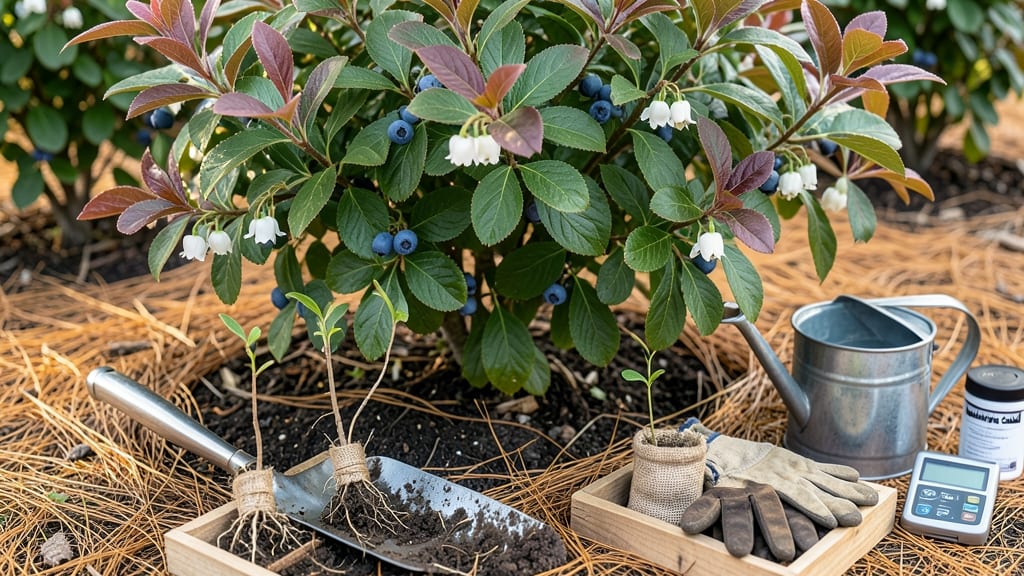
If you're dreaming of a backyard full of juicy 🫐 blueberries in Zone 9, timing is everything—plant too early, and your bushes will fry in the summer heat; too late, and they won’t establish roots before the next growing season.
The sweet spot? December through February, when cooler temps and winter rains give your plants the best shot at thriving.
Zone 9’s scorching summers make blueberry growing tricky, but the right planting window can mean the difference between a struggling bush and a thriving one.
I’ve tested what works in Southern California and Phoenix, and the secret isn’t just about the calendar—it’s about soil prep, heat-tolerant varieties, and microclimate tweaks to keep your plants happy year-round.
You’ll discover the exact months to plant for maximum success, which blueberry types handle Zone 9’s heat best, and how to prep your soil to mimic their natural acidic habitat. No more guesswork—just a step-by-step plan to get your bushes off to a strong start.
Ready to turn your backyard into a blueberry paradise? Let’s dive into the timing, varieties, and prep work that’ll set you up for a bountiful harvest come spring.
Best planting windows for blueberries in Zone 9: exact months & climate triggers
Timing is everything when planting blueberries in Zone 9, where summer temperatures can exceed 100°F. The ideal window is December through February, when cooler temps and moist soil give young roots a fighting chance.
This aligns with Zone 9’s last frost dates (typically mid-December) and avoids the brutal summer heat that can fry transplants.
Inland areas like Phoenix face hotter microclimates than coastal regions like San Diego, so adjust your timing slightly. For inland zones, aim to plant by late January to beat the spring heatwave.
Coastal gardeners have a bit more flexibility, with November to February working well. The goal? Establish roots before soil temps rise above 75°F.
Soil temperature is your secret weapon. Blueberry roots thrive in soil between 50–65°F. Use a soil thermometer to check—if temps creep above 70°F, delay planting until conditions cool. In Zone 9, this often means waiting for December rains to soften the ground and boost moisture.
Here’s the golden rule: Never plant blueberries in Zone 9 summers. Transplant shock + heat stress = a death sentence for your bushes. Instead, choose late fall or winter when days are shorter, nights are cooler, and the risk of heatwave-induced wilting drops dramatically.
🌱
| Planting Window | Soil Temp | Zone 9 Microclimate | Key Trigger |
|---|---|---|---|
| December 1–15 | 50–60°F | Coastal (San Diego, LA) | Post-first rains |
| December 15–January 15 | 55–65°F | Inland (Phoenix, Riverside) | Soil moisture >70°F |
| January 16–February 15 | 60–70°F | All Zone 9 | Daylength <10 hours |
| March (last resort) | 65–75°F | High-elevation (e.g., Catalina Mtns) | Shade cloth required |
Pro tip: If you miss the December–February window, don’t panic. You can plant in March—but only in high-elevation microclimates (e.g., mountains near Los Angeles) or with shade cloth to protect young plants. Pair this with daily watering and mulch to retain moisture.
For container gardening in Zone 9, timing shifts slightly. Move potted blueberries outdoors in late January and acclimate them gradually to avoid transplant shock. Harden off containers for 7–10 days before full exposure to sun and wind.
Watch for false springs—those brief warm spells in February that trick you into thinking it’s safe to plant. If temps spike above 80°F, your blueberries will wilts within days. Play it safe: Stick to the coolest months and prioritize root establishment over early growth.
🌿
Best planting windows for blueberries in Zone 9: exact months & climate triggers
In Zone 9, where summer temperatures can soar above 90°F (32°C), planting blueberries at the wrong time means struggling with transplant shock and stunted growth. The best window to plant is during the coolest months, when soil temperatures stay below 70°F (21°C)—typically December through February.
This timing lets young roots establish before the heat arrives.
Coastal areas like Southern California have milder winters, so you can extend planting into early March. Inland regions like Phoenix or Tucson, however, should stick to December-January to avoid spring heatwaves.
Always check your local last frost date—most Zone 9 areas have minimal frost risk, but microclimates near mountains may experience light freezes.
Soil temperature is your biggest clue. Use a soil thermometer to confirm it’s below 65°F (18°C) before planting. If temperatures spike above 80°F (27°C) during the day, delay planting until conditions cool.
Young blueberry bushes are particularly vulnerable to heat stress, which can cause wilting and poor root development.
🌱 Zone 9 Blueberry Planting Timeline
| Stage | Action | Climate Trigger |
|---|---|---|
| Soil Prep | Amend soil to pH 4.5–5.5 with sulfur or peat moss | Complete by November |
| Planting Window | Transplant bare-root or container-grown bushes | December–February (soil <65°F) |
| First Year Care | Mulch heavily, water deeply 2–3x/week | Avoid summer heat (June–August) |
| Fruiting Begins | Harvest April–June (2nd–3rd year) | Established roots handle Zone 9 heat |
If you miss the ideal window, late fall (November) or early spring (March) can work—but only in cooler microclimates. For example, coastal San Diego may tolerate March planting, while inland Riverside should wait until December.
Always prioritize soil moisture and shade protection for young plants during the first growing season.
Pro tip: Plant on a cloudy day to reduce stress. If you must plant in full sun, provide temporary shade with a 50% shade cloth for the first 2 weeks.
This trick helps roots establish without overheating. Mulch with 3–4 inches of wood chips to retain moisture and regulate soil temperature.
Remember, blueberries are perennial plants, so proper planting timing now means decades of harvests—not just one season. With the right approach, your bushes will thrive even in Zone 9’s intense heat! 🌿