
Plants
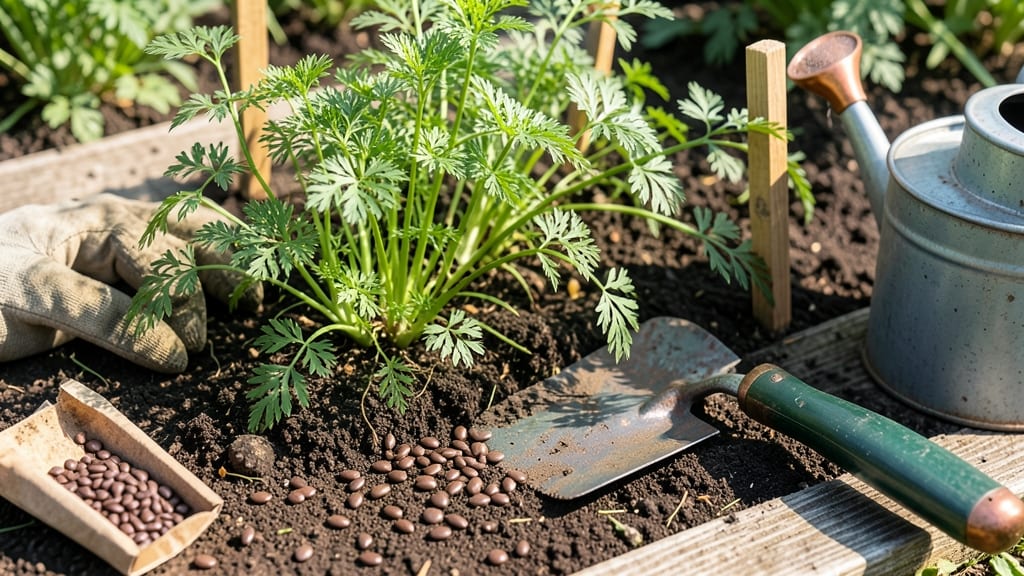
If you’ve ever wondered when to plant carrots in Texas, timing is everything—especially in a state where summer heat can turn your crisp, sweet 🥕 dreams into bitter, bolted disappointment. The key to success? Planting during Texas’ cooler months when soil stays reliably warm but temperatures don’t spike.
Texas gardeners in zones 8a-10b have two prime windows: September-October for fall crops and February-March for spring harvests. These periods avoid the brutal heat that causes carrots to flower prematurely, ensuring you get the tender, flavorful roots you’re after.
But regional differences matter—North Texas’ earlier frosts demand different timing than South Texas’ milder winters.
Beyond the calendar, soil temperature and variety choice make all the difference. Heat-tolerant varieties like ‘Danvers’ or ‘Nantes’ handle Texas’ extremes better than standard types, while proper watering and shade can stretch your growing season. Let’s break down the exact steps to turn your Texas garden into a carrot goldmine.
Ready to grow carrots that actually reach maturity? I’ll walk you through the best months, regional tweaks, and pro tips to outsmart Texas’ climate—so you can enjoy homegrown 🥕 from December through June. No more guesswork, just delicious results.
Best planting months for carrots in Texas by region (north vs. central vs. south)
Texas' diverse climate means your planting schedule should depend on whether you're in North Texas, Central Texas, or South Texas. Each region has different frost dates and heat thresholds that affect carrot growth. Let's break it down by month to maximize your harvest.
For North Texas (USDA Zones 7b-8a), aim for September-October and February-March plantings. The last frost typically hits around November 15, while the first frost arrives by January 15. This gives you a 240-day frost-free window—perfect for two growing seasons.
In Central Texas (USDA Zones 8a-8b), you can extend your window slightly. Plant in August-September and February-March, with last frosts around December 15 and first frosts by December 1. The longer growing season lets you squeeze in a third planting in late October for a winter harvest.
South Texas (USDA Zones 9a-10b) is the most forgiving. You can plant July-August for a fall crop and September-October for winter harvests. First frosts rarely occur before November 15, and last frosts are uncommon after January 15, giving you nearly year-round growing potential.
🌱 Texas Carrot Planting Schedule by Region
| Region | Best Planting Months | Last Frost Date | First Frost Date | Key Considerations |
|---|---|---|---|---|
| North Texas | September-October February-March |
November 15 | January 15 | Use row covers in winter; avoid summer planting |
| Central Texas | August-September February-March Late October |
December 15 | December 1 | Third planting for winter harvest; mulch heavily |
| South Texas | July-August September-October |
January 15 (rare) | November 15 (rare) | Can plant year-round with shade cloth in summer |
🌡️ Pro Tip: Always check your local frost dates using the Texas A&M AgriLife Extension for precise timing.
Texas summers are brutal for carrots—they'll bolt (go to seed) when temperatures exceed 85°F. That's why I avoid planting between April and June in all regions. Instead, focus on fall and winter crops when soil temperatures stay below 75°F.
For fall plantings, aim to harvest before December in North Texas and January in South Texas. This ensures you get sweet, crisp carrots before winter chills set in. In Central Texas, you can push harvests into early January with proper mulching.
Soil temperature is just as critical as air temperature. Carrots germinate best when soil is between 60°F and 75°F. Use a soil thermometer to check before planting. In North Texas, soil stays warm enough for planting until late September, while South Texas can plant until mid-October.
Remember, Texas' black soil in East Texas drains differently than the caliche-rich soil in West Texas. Amend your soil with compost to improve drainage and prevent forked roots, a common issue in heavy clay soils. Loosen the top 12 inches of soil before planting for perfect carrot shapes.
If you're in West Texas, where water is scarce, choose drought-tolerant varieties like 'Danvers Half Long' and water deeply once a week rather than daily. Mulch with straw to retain moisture and keep roots cool during our scorching summers.
Best planting months for carrots in Texas by region (north vs. central vs. south)
Texas’ diverse climate means North Texas gardeners face earlier frosts than those in South Texas, so planting times vary dramatically. In North Texas (Zones 8a-8b), your last frost typically hits around November 15, while South Texas (Zones 9a-10b) enjoys frost-free winters until January 15 or later.
This means North Texas gardeners should start carrots in late August for a fall harvest, while South Texas can plant as late as October.
For spring planting, North Texas gardeners should sow seeds in February to avoid frost, while South Texas can wait until March. Central Texas (Zones 8b-9a) falls in between, with ideal planting windows from mid-September to mid-October for fall and late February to early March for spring.
These timings ensure soil temperatures stay between 50°F and 85°F, the sweet spot for carrot germination and growth.
| Region | Last Frost Date | Fall Planting Window | Spring Planting Window | Soil Temp for Germination |
|---|---|---|---|---|
| North Texas (8a-8b) | November 15 | Late August - Early September | February | 50°F - 60°F |
| Central Texas (8b-9a) | December 15 | Mid-September - Mid-October | Late February - Early March | 55°F - 70°F |
| South Texas (9a-10b) | January 15 | October - Early November | March | 60°F - 85°F |
One of the biggest mistakes Texas gardeners make is planting carrots in summer heat. Temperatures above 85°F cause carrots to bolt (flower prematurely), ruining their sweet, crisp texture. Instead, focus on fall and spring planting.
If you’re eager for a summer harvest, opt for shade-loving varieties and plant in partial shade with afternoon shade cloth to protect seedlings.
Another pro tip: Succession planting every 2-3 weeks during your region’s ideal window ensures a steady supply of fresh carrots. For example, in North Texas, plant a new batch in late August, early September, and mid-September to stagger harvests from November through January.
This method works equally well for spring plantings, giving you a continuous harvest from April to June.
Don’t overlook soil preparation—Texas clay soil can be tricky for carrots. Amend your beds with compost or aged manure to improve drainage and loosen the soil. Carrots need deep, loose soil to grow straight and avoid forking.
If your soil is compacted, consider growing carrots in raised beds filled with a mix of topsoil and compost for perfect results every time.
With these regional guidelines, you’ll avoid the common pitfalls of Texas carrot growing—whether it’s frost damage, bolting from heat, or poor soil conditions. Stick to these planting windows, and you’ll enjoy homegrown 🥕 that’s sweeter and crunchier than anything from the store.