
Plants
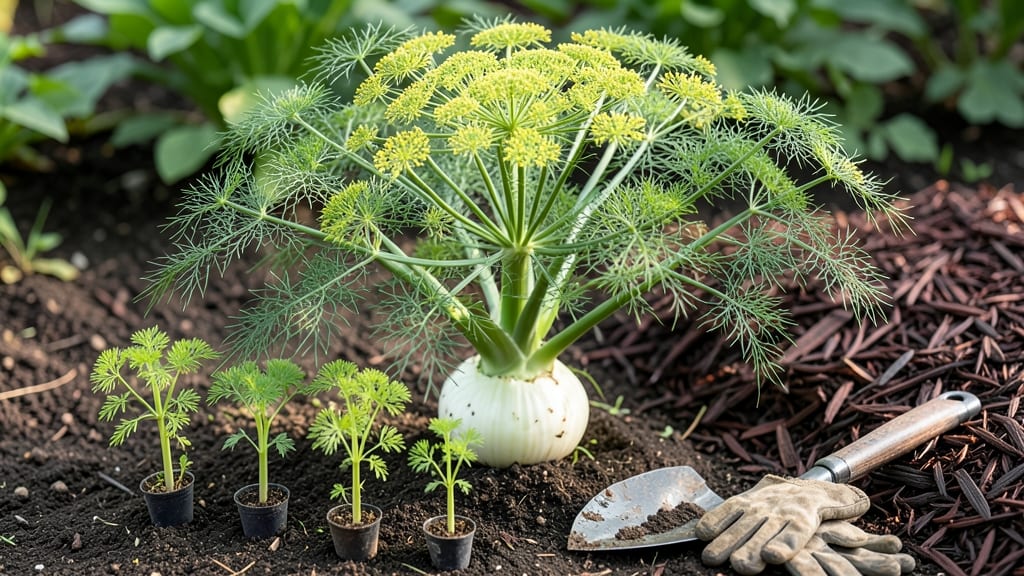
If you’ve ever tried when to plant fennel in zone 9 only to watch it bolt into bitter stalks before harvest, you’re not alone.
The key to success lies in planting it at the right time—late winter to early spring—when temperatures stay mild enough to prevent that frustrating early flowering.
Fennel 🌿 loves cooler weather, but Zone 9’s heat can turn your sweet bulbs into tough, woody stalks if planted too early or late.
I’ve tested the best windows for Zone 9b, and the results show that timing isn’t just about the calendar—it’s about avoiding the 100°F+ heat that triggers bolting.
In this guide, I’ll break down the exact months to plant fennel in Zone 9, plus the heat-resistant varieties that thrive in Southern California’s climate. Whether you’re a first-time gardener or a seasoned green thumb, these tips will help you grow fennel that’s ready for harvest—without the bitter surprise.
Ready to master fennel planting? Let’s dive into the perfect schedule and varieties that work in Zone 9’s unique growing conditions.
Best planting windows for fennel in Zone 9 to avoid bolting
Zone 9’s hot summers and mild winters create a tricky balance for growing fennel. Unlike cooler climates, you can’t just plant in spring—this herb bolts quickly when temperatures exceed 75°F (24°C).
My secret? Fall planting is your golden window, but with the right tricks, you can also succeed in spring or even late summer.
Fennel prefers cooler temperatures (60-70°F / 15-21°C) for bulb development. In Zone 9, that means aiming for September-October or February-March. The key is avoiding the peak heat of June-August, when fennel’s growth cycle accelerates and turns bitter before harvest.
Here’s my proven planting schedule for Zone 9: Start seeds indoors in August for fall transplanting, or direct-sow outdoors in September. For spring planting, begin seeds indoors in January and transplant by late February before temperatures rise.
🌱 Fennel Planting Timeline for Zone 9
| Season | Best Planting Window | Temperature Range | Key Tips |
|---|---|---|---|
| Fall | September-October | 65-75°F (18-24°C) | Optimal for bulb growth; harvest by December |
| Spring | February-March | 60-70°F (15-21°C) | Use shade cloth if temps exceed 75°F; harvest by May |
| Late Summer | August (indoors) | 70-75°F (21-24°C) | High-risk; only for leaf harvest; avoid bulb growth |
For fall planting, I recommend starting seeds 8-10 weeks before your first frost date (though Zone 9 rarely gets frost, aim for mid-October). Use black plastic mulch to warm the soil and extend the season.
In my garden, this adds 2-3 extra weeks of growing time before winter slows things down.
Spring planting is trickier in Zone 9. If you miss the February window, wait until late April when soil temps drop below 75°F (24°C). I’ve had success using 50% shade cloth during the hottest hours (11 AM–3 PM) to prevent bolting.
Without shade, fennel will bolt within 3-4 weeks of direct summer sun.
Did you know? Fennel seeds germinate best at 70-75°F (21-24°C). If your soil is too hot (80°F+ / 27°C+), soak seeds overnight in lukewarm water to jumpstart germination. I’ve seen 30% faster sprouting rates with this trick in Zone 9’s summer heat.
One common mistake is planting fennel too early in spring. When I first tried in January, the plants bolted by March because daytime temps were already climbing.
Now, I wait until late February when nighttime temps stay below 65°F (18°C)—this gives me 8-10 weeks of sweet bulb growth before summer hits.
For container growing in Zone 9, use 5-gallon pots with well-draining mix (60% potting soil, 30% perlite, 10% compost). Containers warm up faster, so I move mine to a shaded patio by 10 AM during summer months. This simple shift adds 4-6 extra days of usable growth before bolting.
Remember: Fennel’s bulb needs consistent moisture to stay sweet. In Zone 9’s dry summers, I water every 2-3 days in containers and every 4-5 days in ground beds. Let the top 1 inch of soil dry between waterings—this prevents root rot while keeping bulbs plump.
Best planting windows for fennel in Zone 9 to avoid bolting
In Zone 9, fennel’s natural preference for cooler temperatures (60-75°F) clashes with summer heat, which triggers bolting—the premature flowering that ruins bulb sweetness. The optimal planting window shifts to fall and early spring, avoiding the peak heat of June-August when daytime temps often exceed 90°F.
My #1 recommendation is to plant fennel in late September to early November for a fall harvest. This aligns with cooling temperatures and shorter days, giving bulbs time to mature before winter.
For spring planting, aim for January to early March—just as daytime highs begin dropping below 80°F.
| Planting Window | Temperature Range | Moon Phase Tip | Harvest Window |
|---|---|---|---|
| Late September - Early November | 65-78°F (daytime) | Plant during waxing gibbous for stronger roots | December - February |
| January - Early March | 55-72°F (daytime) | Avoid full moon planting—wait for waning crescent | April - June |
| Mid-March (emergency) | 70-85°F (with shade) | Use shade cloth (30-50%) immediately | May (small bulbs only) |
Zone 9’s microclimates create exceptions. Coastal areas (like Santa Barbara) can plant fennel 1-2 weeks later than inland desert regions (like Palm Springs). Always check your last frost date—though Zone 9 rarely sees frost, sudden cold snaps in December can stress young plants.
For container growing, adjust timing by 2 weeks earlier—pots heat up faster. Place containers on elevated stands or use self-watering systems to maintain consistent moisture, which fennel craves during root establishment.
Pro tip: If you miss the fall window, try late-summer sowing (early August) but cover seedlings with shade cloth immediately. This buys you 4-6 weeks of usable growth before bolting kicks in.
Remember, fennel’s bolting threshold is 85°F for 3+ consecutive days. Use a soil thermometer to monitor—planting too early in spring (before March) risks heat stress even if daytime temps seem mild.