
Plants
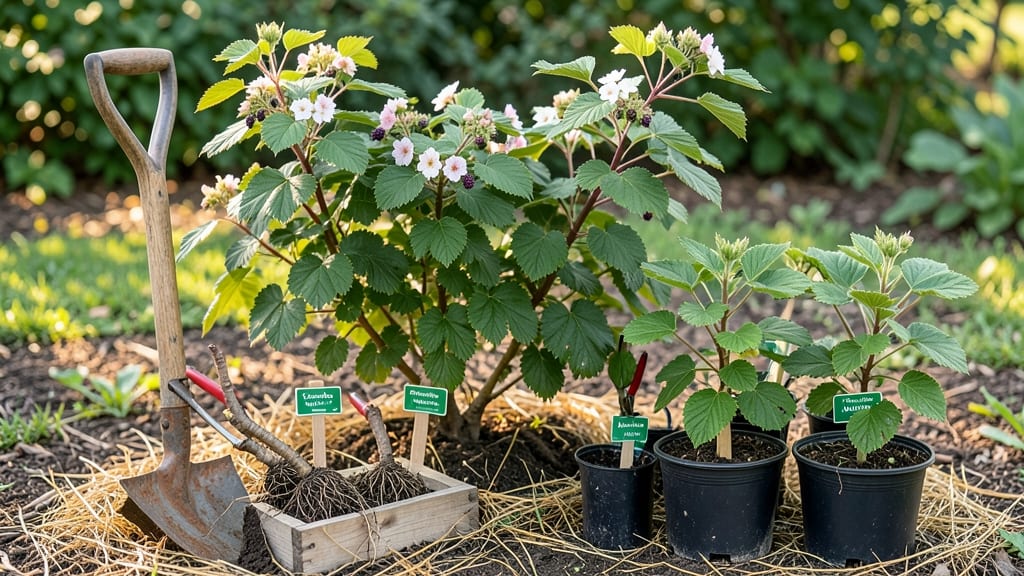
If you're dreaming of a backyard bursting with juicy 🫐 blackberries, timing your planting in Virginia could make or break your harvest. The secret to sweet, abundant berries lies in matching your planting schedule to Virginia's chill-hour zones—whether you're in the Piedmont's rolling hills or the Coastal Plain's milder climate.
Planting blackberries at the wrong time can leave you with stunted bushes or even no fruit at all. But don't worry—I'll walk you through the perfect windows for both spring and fall planting, so you can avoid common mistakes and set your blackberries up for success from day one.
From late winter's first thaw to early spring's last frost, or the crisp air of fall, I'll break down exactly when to get those canes in the ground for maximum growth. You'll also learn how to prep your soil and care for your plants so they thrive year after year.
Whether you're a first-time gardener or a seasoned pro, these tips will help you grow blackberries that are bigger, sweeter, and more productive than ever before. Let's get those berries growing!
Virginia’s chill-hour zones: best blackberry planting months by region
Virginia’s diverse climate—from the Coastal Plain’s milder winters to the Mountains’ colder snaps—means blackberry planting windows vary dramatically.
Most varieties need 300-1,000 chill hours (below 45°F) to set fruit properly. Zone 6a-7b gardeners should prioritize fall planting (September-October) for root establishment before winter, while Zone 8 growers can extend to November.
In Northern Virginia (Zone 7a-7b), like around Charlottesville, aim for late September planting.
This gives roots time to anchor before first frost (mid-November). Southern Virginia (Zone 7b-8a), such as Richmond, can plant until early November, but avoid late fall to prevent root rot from lingering moisture.
For thornless varieties like 'Natchez' or 'Chester', fall planting is ideal—they thrive in 600-800 chill hours. Thorny types like 'Triple Crown' (900+ chill hours) do best in Zone 6a (e.g., Roanoke), where March-April spring planting works too, but requires mulching to protect young canes.
🌱
Virginia Blackberry Planting by Region
| Region | USDA Zone | Best Planting Window | Chill Hours Needed | Top Varieties |
|---|---|---|---|---|
| Northern VA (Zone 6a-7a) | 6a-7a | Late Sept-Oct (fall) or March-April (spring) | 600-900 | 'Triple Crown', 'Chester' |
| Central VA (Zone 7a-7b) | 7a-7b | Late Sept-Nov (fall preferred) | 500-700 | 'Natchez', 'Arapaho' |
| Southern VA (Zone 7b-8a) | 7b-8a | Oct-Nov (avoid Dec) | 400-600 | 'Ouachita', 'Apache' |
💡 Pro Tip: Test your chill hours using a chill-hour calculator or local extension office data.
Spring planting (March-April) is riskier in Virginia due to late frosts (common until mid-April in the Piedmont).
If choosing this route, use row covers or plant in microclimates (e.g., south-facing slopes) to delay frost exposure. Ever-bearing varieties (like 'Chester') handle spring planting better than floricane types.
In Zone 8 (e.g., Norfolk or Virginia Beach), focus on fall planting to avoid heat stress during summer’s 90°F+ days.
These areas often see fewer chill hours, so select low-chill varieties like 'Ouachita' (400-500 hours) to ensure fruit set. Mulch heavily (4-6 inches of straw) to protect roots from winter heat spikes.
🌿
For container growing in Virginia’s urban areas (e.g., Arlington or Alexandria), plant in late spring (May) after frost risk passes. Use 5-gallon pots with well-draining soil and move containers to full sun spots. Dwarf varieties like 'Arapaho' work best, but expect smaller harvests due to root restriction.
Always check local frost dates—the Virginia State Climate Office provides 30-year averages for precise timing. For example, Blacksburg (Zone 6a) sees last frost on April 15, while Williamsburg (Zone 8a) rarely drops below freezing after January. Adjust your planting 2-3 weeks before these dates for safety.
✂️
Step-by-step planting schedule: from bare-root to established bush
Once you’ve chosen your blackberry variety and planting window, the next step is preparing your Virginia soil and canes for success. Fall planting (September-October) gives roots time to establish before winter, while spring planting (February-April) should happen after the last frost date—typically mid-March in most regions.
Both methods require careful attention to soil prep and cane placement.
Start by testing your soil pH—blackberries thrive in acidic soil (5.5-6.5). If your soil is too alkaline, amend it with sulfur or peat moss 4-6 weeks before planting. For drainage, avoid low-lying areas where water pools, as blackberries hate soggy roots.
Mix in compost or well-rotted manure to enrich the soil with organic matter, which improves moisture retention and nutrient availability.
📋 Step-by-Step Planting Guide
- Soil Prep: Till the soil to a depth of 12 inches, removing weeds and debris. For heavy clay soils, add sand or perlite to improve aeration.
- Trench Planting: Dig a trench 12-18 inches wide and 6 inches deep. Space trenches 6-8 feet apart for airflow and disease prevention.
- Cane Placement: Soak bare-root canes in water for 2-4 hours before planting. Trim damaged roots and canes to 12-18 inches long, leaving 3-5 buds above the soil line.
- Planting Depth: Place canes in the trench at a 45-degree angle, spacing them 3-4 feet apart. Cover roots with soil, leaving the top buds exposed.
- Watering: Apply 1-1.5 inches of water immediately after planting to settle the soil. Mulch with 3-4 inches of straw or wood chips to retain moisture and suppress weeds.
- Trellis Support: Install a woven wire trellis (5-6 feet tall) behind the trench to train canes vertically, improving air circulation and fruit accessibility.
After planting, water deeply once a week for the first month, then adjust based on rainfall. Blackberries are drought-tolerant once established, but consistent moisture during the first growing season is critical.
In Virginia’s humid climate, fungal diseases like anthracnose can be a risk, so avoid overhead watering and ensure good airflow around canes.
Pruning plays a key role in establishing healthy blackberry bushes. In the first year, remove any flower buds that form to redirect energy toward root and cane growth. This might seem counterintuitive, but it ensures a stronger plant for future harvests.
In subsequent years, prune in late winter or early spring (before new growth begins) to remove dead, diseased, or weak canes, keeping only the healthiest 6-8 canes per plant.
Monitor your blackberries for pests like spider mites or Japanese beetles, which are common in Virginia. Use neem oil or insecticidal soap as a preventive measure, and apply in the early morning or evening to avoid harming beneficial insects.
With proper care, your blackberries will establish a robust root system and be ready for their first abundant harvest in late summer.
Remember, blackberries are perennial plants, meaning they’ll produce fruit for 5-10 years with proper care. The effort you put into planting and establishing them now will pay off with low-maintenance, high-reward harvests for years to come. 🌱