
Plants
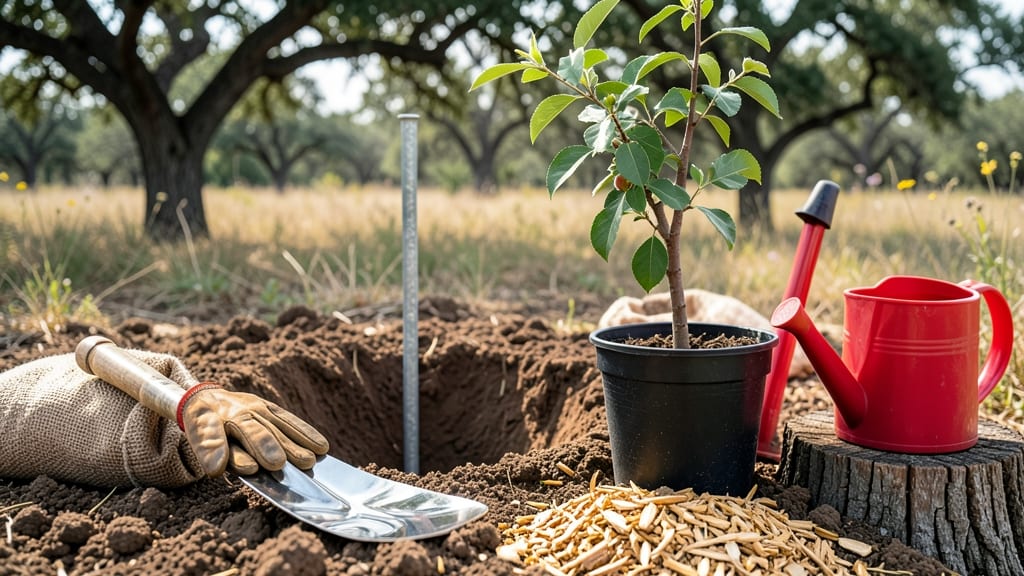
Timing your peach tree planting in Texas isn't just about the calendar—it's about matching chill hours to your variety to avoid bolted blooms and poor fruit. With Texas' mild winters, most peach trees need 200-1000 chill hours, and planting too early or late can throw off dormancy.
Whether you're in North or South Texas, knowing the exact window for your specific 🍑 variety makes all the difference.
If you've ever watched your peach tree burst into bloom only to have the flowers drop without fruiting, you've experienced bolt risk—a common frustration for Texas gardeners. The key is planting during late winter to early spring, when soil temperatures are cool but frost isn't a threat.
This gives roots time to establish before the heat of summer arrives.
In this guide, I'll break down the best planting months for different peach varieties, including Texas favorites like 'Redhaven' and 'Elberta,' so you can align your planting with their chill-hour needs.
You'll also learn how to adjust for your local microclimate—whether that means planting earlier in North Texas or later in South Texas—to maximize your tree's success.
Ready to grow a thriving peach tree? Let's dive into the exact timing, soil prep, and variety selection that will turn your Texas garden into a fruitful paradise—without the guesswork.
Best planting months for peach trees in Texas by chill-hour requirements
Texas gardeners face a unique challenge with peach trees: mild winters and variable chill hours across regions. Unlike northern states, Texas doesn't guarantee enough dormancy-inducing cold for traditional peach varieties. The key to success? Matching your variety to your local chill-hour zone and planting at the right time.
Peach trees need chill hours (temperatures between 32°F and 45°F) to break dormancy. In Texas, this ranges from 200 hours in South Texas to 1,000 hours in North Texas. Planting outside these windows risks bolted blooms—where flowers appear but fail to set fruit.
Here's the golden rule: Plant bare-root trees in late winter (November-February) and container-grown trees in early spring (February-March). This timing ensures roots establish before Texas' spring heatwave arrives. North Texas (higher chill hours) has more flexibility, while South Texas gardeners must choose low-chill varieties or use cold protection.
Why timing matters: Early planting (November-December) gives roots time to establish before spring growth spurts. Late planting (March-April) risks heat stress. Texas' last frost dates vary wildly—February 15 in North Texas vs. January 15 in South Texas—so adjust accordingly.
For bare-root trees, aim for 4-6 weeks before bud break. Container-grown trees can handle warmer soil and may plant slightly later. Always check your local chill-hour zone (Texas A&M Extension has maps) before selecting varieties.
🌱 Pro Tip: In South Texas (Zones 9-10), consider dwarf varieties like 'Contender' (200-300 chill hours) or 'Redtop' (300-400 chill hours). These thrive with artificial chill treatments if needed.
🌡️ Texas Peach Tree Planting by Chill-Hour Zone
| Texas Region | Chill-Hour Range | Best Planting Window | Recommended Varieties | Risk Level |
|---|---|---|---|---|
| North Texas (Zones 7b-8a) | 800-1,000 hours | November 15 - February 15 | Redhaven, Elberta, Suncrest | Low |
| Central Texas (Zones 8a-8b) | 500-700 hours | December 1 - January 31 | Contender, Redtop, Flordasun | Moderate |
| South Texas (Zones 9-10) | 200-400 hours | January 15 - February 28 | Contender, Redtop, Tropic Beauty | High (needs chill treatment) |
| East Texas (Zones 7b-8a) | 600-800 hours | November 1 - January 15 | Redhaven, Flordagrand, Suncrest | Low-Moderate |
| West Texas (Zones 8a-9) | 300-500 hours | December 10 - February 10 | Contender, Flordasun, Tropic Snow | Moderate-High |
⚠️ Note: South Texas varieties often require artificial chill treatments (e.g., refrigeration) for 2-4 weeks at 36-40°F before planting.
In North Texas, where chill hours are abundant, you can plant traditional varieties like Redhaven or Elberta as early as November. These trees thrive with 800+ chill hours and produce juicy, freestone peaches.
The earlier you plant, the more time roots have to establish before spring's rapid growth begins.
For Central and West Texas, focus on moderate-chill varieties like Contender or Flordasun.
These need 500-700 chill hours and should be planted by January 31 to avoid heat stress. Container-grown trees in these regions often perform better because they're easier to move to protected microclimates during cold snaps.
💡 Key Insight: Texas' spring heat arrives earlier than most gardeners expect. Planting too late (after March 1) can stress young trees, leading to poor root development and reduced fruit production. Always check your local last frost
Top Texas-friendly peach tree varieties and their perfect planting timelines
Texas gardeners have plenty of peach tree options, but not all varieties thrive in our mild winters. The key is selecting low-chill varieties that match your region's 200-600 chill hours.
For example, 'Contender' and 'Redhaven' are popular choices, but they require 500+ chill hours, making them better suited for North Texas. Meanwhile, South Texas gardeners should opt for low-chill varieties like 'Reliance' or 'Redtop', which need only 200-300 chill hours.
When choosing a variety, also consider your last frost date. In North Texas, you can plant as early as late January, while South Texas gardeners should wait until mid-February to avoid frost damage.
Each variety has its own ideal planting window, and timing it right ensures your tree establishes strong roots before summer heat arrives.
Here’s a quick breakdown of the best varieties for Texas and their ideal planting months:
| Variety | Chill Hours | Best Planting Month | Texas Suitability |
|---|---|---|---|
| Redhaven | 500-600 | Late January - February | North & Central Texas |
| Elberta | 400-500 | Late January - Early March | North & Central Texas |
| Contender | 300-400 | February - Early March | Central & South Texas |
| Reliance | 200-300 | Mid-February - March | South Texas |
| Redtop | 200-300 | Mid-February - March | South Texas |
If you're planting in North Texas, aim for late January to February to give your tree enough time to establish roots before the heat of summer. For South Texas, wait until mid-February to March to avoid early frost.
Planting at the right time ensures your tree enters dormancy properly and produces fruit the following year.
Pro tip: Always check the last frost date for your specific area using the Texas A&M AgriLife Extension maps. Planting too early can expose young roots to frost damage, while planting too late may stress the tree as summer approaches.
Once you've selected your variety and timing, prepare your soil with well-draining, slightly acidic soil (pH 6.0-6.5) and mulch around the base to retain moisture. With the right variety and timing, you'll be enjoying homegrown peaches in just a few years! 🍑