
Plants
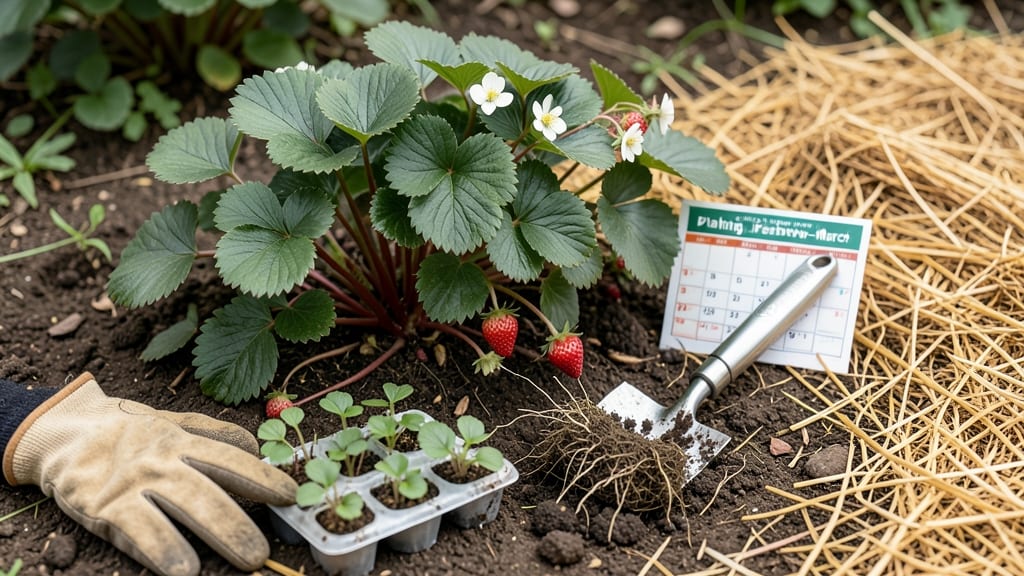
Planting strawberries in Oklahoma isn’t just about grabbing plants and sticking them in the ground—it’s about matching chill hours to the right window to ensure your June-bearing varieties thrive.
Whether you’re a first-time gardener or a seasoned green thumb, getting the timing wrong can mean the difference between a bountiful harvest and wasted effort.
In Oklahoma’s 6a-7b zones, the ideal planting windows are early spring (March-April) or late summer (July-August), but there’s more to it than just the calendar.
Understanding chill-hour requirements—especially for varieties like Chandler or Jewel—helps you avoid frost damage or missed harvests. Let’s break down the best times to plant for your specific Oklahoma location.
You’ll also discover how to prep your soil for optimal drainage, why mulching matters in our unpredictable climate, and how to protect your 🍓 strawberries from late frosts or scorching summer heat. With the right approach, you can extend your harvest season and enjoy homegrown berries from May through October.
Ready to transform your garden into a strawberry paradise? I’ll walk you through the step-by-step process—from selecting the perfect variety to maintaining healthy plants—so you can enjoy sweet, juicy berries all season long.
Oklahoma strawberry planting calendar: chill-hour zones and best dates
Oklahoma’s climate varies dramatically from the Panhandle’s arid zones to the southeastern humid regions, making chill-hour requirements the key to successful strawberry planting. Most June-bearing varieties need 400–1,000 chill hours (below 45°F) to fruit well, while everbearing types tolerate fewer.
In USDA zones 6b–8a, timing your plantings to avoid late spring frosts (common until mid-April) and summer heat stress is critical.
For northern Oklahoma (zones 6b–7a), aim to plant bare-root strawberries in early March to early April, giving them time to establish roots before flowering.
In central and southern Oklahoma (zones 7b–8a), where winters are milder, late February to early March works best. Fall plantings in July–August are ideal for extending harvests into September–October, especially for everbearing varieties like 'Chandler' or 'Seascape'.
Here’s the breakdown of chill-hour zones and their ideal planting windows:
| Chill-Hour Zone | USDA Zone | Spring Planting Window | Fall Planting Window | Harvest Time |
|---|---|---|---|---|
| 400–600 hrs | 8a (Southeast OK) | Late Feb–Early March | July–Early Aug | May–June & Sept–Oct |
| 600–800 hrs | 7a–7b (Central OK) | Early March–Early April | Mid-July–Late Aug | Late May–July & Sept–Oct |
| 800–1,000+ hrs | 6b (Panhandle) | Mid-March–Late April | Late July–Aug | June–July & Sept–Oct |
If you’re planting June-bearing varieties like 'Jewel' or 'Allstar', prioritize the spring window—these need full chill hours to produce their signature one massive harvest.
For everbearing types (e.g., 'Fort Laramie'), fall plantings work well, as they’ll fruit lightly in spring and again in fall. Day-neutral varieties (like 'Seascape') are the most flexible, producing fruit all season if planted correctly.
Oklahoma’s average last frost dates range from March 15 in the Panhandle to March 1 in southeastern regions. To play it safe, use frost cloth for early plantings or opt for raised beds, which warm up faster.
Pro tip: Plant strawberries on a slight mound to improve drainage and reduce rot risk during Oklahoma’s unpredictable spring rains.
For gardeners in higher-elevation areas (e.g., Oklahoma City or Norman), where nights can still dip below freezing in early May, consider staggered plantings. Start with half your plants in March and the rest in early April to spread out the harvest and minimize frost damage.
This also helps manage bird predation, as strawberries ripen over a longer period.
One common mistake is assuming all strawberries are perennial in Oklahoma—they are, but their productivity declines after 2–3 years.
Plan to replace patches every few seasons or rotate planting locations to renew soil health. Mulching with straw (not hay—it contains weed seeds!) in late winter helps insulate roots and keeps berries clean and pest-free.
For container gardening in Oklahoma’s urban areas, plant in late February to early March and use black plastic mulch to warm the soil faster. Containers dry out quickly in our summer heat, so ensure they have drainage holes and place them in morning sun** to avoid scorching.
🌱
Oklahoma strawberry planting calendar: chill-hour zones and best dates
Oklahoma’s 6a-7b USDA zones create a unique challenge for strawberry growers—our 400–1,000+ chill hours demand precise timing. June-bearing varieties like Chandler or Ozark Beauty need 500–700 chill hours to fruit properly, while everbearing types like Seascape tolerate fewer.
Plant too early, and frost zaps your crop; too late, and you miss the prime harvest window.
Your best planting windows are early spring (March–April) or late summer (July–August), but the exact dates depend on your microclimate. Northern Oklahoma (zones 6b–7a) has longer frost risks than southern areas (zones 7b–8a), where summers arrive earlier. Let’s map out the ideal dates for your region.
| Zone | Chill Hours | Spring Planting | Summer Planting | Harvest Window |
|---|---|---|---|---|
| 6b (North OK) | 500–700 hrs | Late March–April 15 | July 15–August 1 | May–June |
| 7a (Central OK) | 700–900 hrs | Early March–April 10 | July 1–July 15 | Late April–June |
| 7b (South OK) | 900–1,000+ hrs | February 20–March 15 | June 15–July 1 | April–May |
For June-bearing varieties, timing is critical—plant too late, and you’ll miss the 60–90-day window needed for fruit production.
Southern Oklahoma gardeners can push spring plantings to February 20, but northern growers should wait until late March to avoid frost damage. Everbearing varieties like Seascape offer more flexibility, producing fruit in both spring and fall.
If you prefer a fall harvest, opt for the July–August window. This lets plants establish roots before winter, then fruit in September–October. Just be sure to choose day-neutral varieties like Tristar, which produce fruit regardless of daylight changes.
Mulching with straw or pine needles helps insulate roots during Oklahoma’s unpredictable winters.
One common mistake? Ignoring soil temperature. Strawberries need soil at least 45°F to thrive—wait until the ground warms in spring, even if air temps are mild. Use a soil thermometer to check before planting. For container growers, black pots warm up faster than traditional terracotta.
Ready to pick your planting date? Start with your last frost date (typically March 15 for most of Oklahoma), then count backward 4–6 weeks for spring plantings. For summer plantings, aim for 8–10 weeks before first frost to ensure a full harvest before cold sets in. 🌱