
Plants
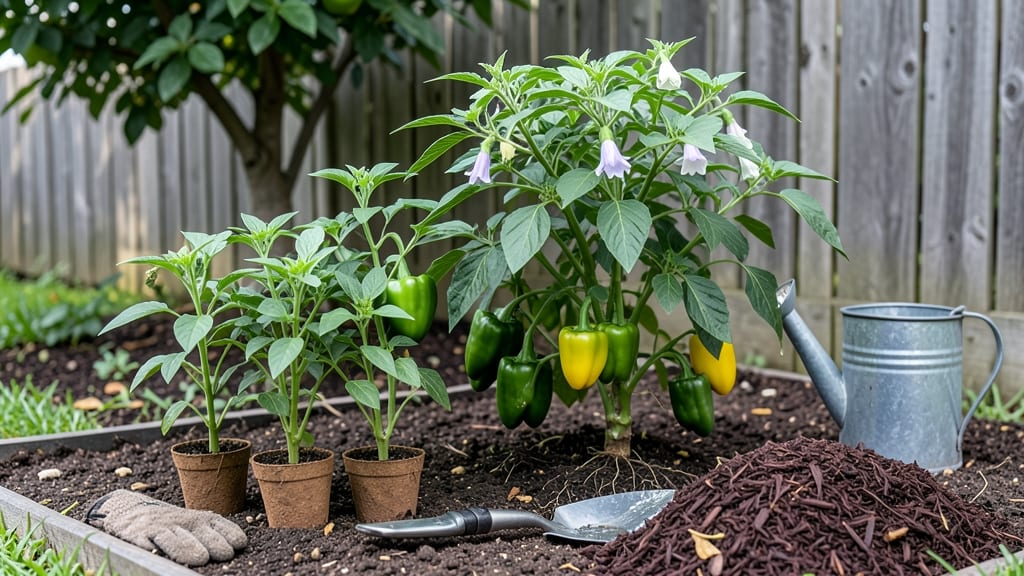
Timing your bell pepper 🌶️ planting in Kentucky isn't just about avoiding frost—it's about beating the heat that makes these sensitive plants bolt before they bear fruit.
With USDA zones 6a-7a and unpredictable spring weather, getting the window right between April 15 and May 15 can mean the difference between a bumper crop and wasted seedlings.
Most gardeners in Kentucky make one critical mistake: planting too early when soil temperatures hover below 60°F, which stunts growth. But wait too long, and summer's sweltering heat triggers premature flowering.
I'll show you exactly how to read your local microclimate cues—like elevation differences—to pinpoint the perfect 10-day window for transplanting.
You'll also discover why Kentucky's humidity plays a surprising role in pepper health, and how to choose varieties that thrive in our climate. Whether you're a first-time gardener or a seasoned grower, these insights will help you skip the trial-and-error and start harvesting sweet, glossy peppers from July through October.
Let's dive into the science behind Kentucky's unique growing conditions and the simple adjustments that make all the difference for your bell pepper 🌶️ success.
Kentucky bell pepper planting calendar: exact dates by zone and method
Bell peppers are heat-lovers, and Kentucky’s USDA zones 6a-7a demand precision timing to avoid frost damage or premature bolting. The last frost date in Kentucky typically falls around April 15, but soil warmth is the real game-changer.
Peppers need soil temps above 60°F to thrive—waiting for both frost safety and warm soil prevents stunted growth and flower drop.
For Kentucky gardeners, the ideal planting window spans from mid-April to mid-May, but this varies slightly by microclimate. Northern Kentucky (zone 6a) may need to wait until late April, while southern regions (zone 7a) can start as early as mid-April.
Indoor starts are key—begin seeds 8-10 weeks before transplanting (around February 15) to ensure robust seedlings ready for outdoor life.
Here’s the breakdown you need to nail your planting schedule:
| Stage | Zone 6a | Zone 7a | Key Notes |
|---|---|---|---|
| Indoor Start | Feb 15–Mar 1 | Feb 15–Mar 1 | Use grow lights; keep soil at 70–80°F. |
| Hardening Off | Apr 1–Apr 15 | Mar 25–Apr 10 | Gradually expose to outdoors (5–10 mins/day). |
| Transplant Outdoors | Apr 20–May 1 | Apr 10–Apr 25 | Wait for soil >60°F; use black plastic mulch to warm soil. |
| Frost Risk Window | Apr 1–Apr 15 | Mar 25–Apr 5 | Use row covers if late frost threatens. |
| Harvest Window | Jul 15–Oct 1 | Jul 1–Oct 15 | Peppers ripen faster in zone 7a’s heat. |
Pro tip: Use a soil thermometer to confirm readiness—peppers won’t germinate in cold soil. If your garden runs cooler than average (common in Kentucky’s valleys), opt for early-maturing varieties like ‘Early Jolt’ or ‘King of the North’ to beat the first frost in October.
For fall planting, Kentucky’s short season limits options, but you can try transplanting in late July for a small harvest before frost. Use shade cloth to protect from late-summer heatwaves, which can stress peppers.
Just know: fall yields are modest, but worth it for greenhouse experiments or extended-season setups.
One critical mistake Kentucky gardeners make? Planting too early. Cold soil stunts roots, and frost-nipped seedlings never recover. Instead, time your transplant to align with consistent 70°F+ daytime temps—this is your green light to dig in. Pair this with black plastic mulch to accelerate soil warming by 5–10°F.
If you’re in zone 6a, err on the side of late planting—better to wait a week than risk frost damage.
Zone 7a gardeners can push the envelope slightly earlier, but monitor forecasts for late frosts, especially in higher elevations like the Cumberland Mountains. Row covers are your best friend during these transition weeks.
Remember: Bell peppers are finicky about temperature swings. A single night below 50°F can trigger bolting (premature flowering), ruining your harvest. By following this Kentucky-specific calendar, you’ll sidestep the most common pitfalls and enjoy plump, productive peppers from July through October.
How to avoid bolting: Kentucky-specific tips for heat-resistant varieties
Kentucky’s humidity and temperature swings create the perfect storm for bell pepper bolting—when plants flower too early and produce bitter fruit. The key to avoiding this is choosing heat-tolerant varieties and preparing your seedlings properly before transplanting.
Bolting happens when peppers sense stress from hot nights (>80°F) or cold snaps after transplanting. In Kentucky’s USDA zones 6a-7a, this often occurs in late May or early June when daytime heat spikes but nights stay cool.
The solution? Start with slow-bolting varieties like ‘Carolina Wonder’ or ‘Jupiter’, which handle our climate better than standard types.
Before planting, harden off seedlings for 7-10 days by gradually exposing them to outdoor conditions during the day and bringing them in at night. This mimics Kentucky’s unpredictable weather and strengthens their resilience. Use black plastic mulch to warm soil faster—critical for peppers, which need 60°F+ soil to thrive.
Bolting Warning Signs
- Premature flowers appear on seedlings before transplanting
- Leaves yellow or curl after sudden temperature drops
- Peppers taste bitter or develop small, deformed fruit
"If you see flowers on your seedlings indoors, delay planting until soil warms further or choose a later-maturing variety."
After transplanting, avoid overhead watering to prevent fungal diseases that stress plants. Instead, water at the base of plants in the morning to let foliage dry quickly—a must in Kentucky’s muggy afternoons. Use drip irrigation or soaker hoses to maintain consistent moisture without wetting leaves.
For extra protection, prune lower leaves to improve airflow and reduce humidity around the plant. This simple step cuts down on disease pressure and helps peppers focus energy on fruit production rather than defense. Pair this with regular mulching (straw or shredded leaves) to keep soil temperatures stable.
Finally, monitor nighttime temperatures using a soil thermometer. If nights dip below 55°F, consider row covers or shade cloth during the day to prevent heat stress. With these adjustments, you’ll skip the bolting blues and enjoy sweet, plentiful peppers all season.