
How To
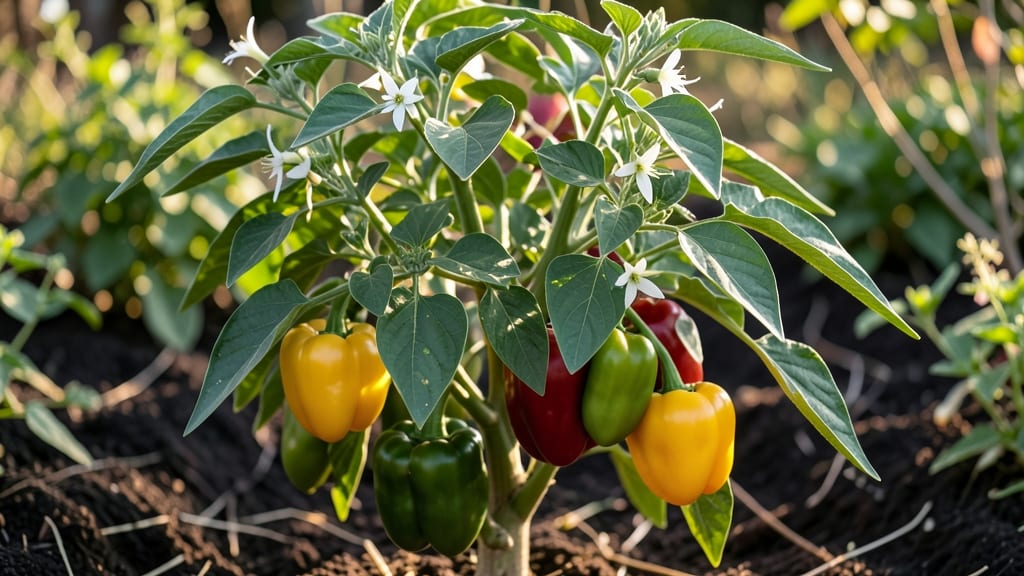
If you're planning your garden layout this spring, knowing how tall your bell pepper plants will grow could save you from crowded vines and missed harvests. These 🌶️ plants might seem small at first, but they pack a surprising vertical punch depending on the variety you choose.
Some bell peppers stay compact at just 18-24 inches, perfect for small spaces or containers, while others stretch toward 3-4 feet if left unchecked. The difference between these heights can change how you space your plants and whether you'll need trellises or cages.
In this guide, I'll break down the exact height ranges for popular varieties and share the game-changer factors that influence growth. Whether you're working with limited space or dreaming of a towering pepper patch, you'll learn how to plan for success from day one.
Let's dive into what determines your bell pepper's height and how to support them for the biggest harvest. The right approach could mean the difference between a few scattered peppers and a bounty of crisp, flavorful pods all season long.

Bell pepper plant height by variety: exact growth ranges for common types
When planning your garden layout, knowing how tall bell pepper plants grow helps you avoid crowding and ensures proper airflow. Most varieties reach between 2 to 4 feet at maturity, but some dwarf types stay compact while others grow tall and sprawling.
Understanding these differences lets you choose the right varieties for your space and support needs.
Standard bell pepper plants like California Wonder typically grow 3 to 4 feet tall, making them ideal for raised beds or in-ground gardens with adequate spacing. Meanwhile, dwarf varieties such as Snackable Pepper max out around 1 to 2 feet, perfect for containers or small-space gardens.
Even within the same species, growth habits can vary significantly.
Here’s a quick comparison to help you visualize: a 3-foot-tall plant is roughly the height of a standard kitchen countertop, while 4-foot varieties may require trellising or staking. Some indeterminate types, like Banana Peppers, can even exceed 4 feet if left unpruned, forming long, vine-like stems.
| Variety | Height Range | Growth Habit | Best For |
|---|---|---|---|
| California Wonder | 3–4 ft | Bushy, upright | Raised beds, in-ground |
| Jalapeño | 2–3 ft | Compact, bushy | Containers, small gardens |
| Banana Pepper | 3–5 ft | Vining, sprawling | Trellises, cages |
| Snackable Pepper | 1–2 ft | Dwarf, bushy | Containers, balconies |
| Poblano | 2–3 ft | Semi-bushy | Small gardens, pots |
If you’re growing hotter pepper varieties like Cayenne or Serrano, expect similar height ranges but with more compact growth. These types often produce smaller peppers but require the same 2 to 4 feet of space for optimal health.
The key difference? Hot peppers tend to be more bushy and less prone to sprawling.
For container gardening, prioritize dwarf or semi-dwarf varieties like Poblano or Snackable Pepper. These thrive in 5-gallon pots and rarely exceed 2 feet, making them perfect for patios or balconies. Just ensure your container has drainage holes to prevent root rot, a common issue with overwatered peppers.
When planning your garden’s spacing requirements, aim for 18 to 24 inches between standard bell pepper plants. This gives them room to spread without competing for nutrients.
If you’re growing taller varieties like Banana Peppers, consider trellising or caging to save space and improve airflow, reducing the risk of disease.
One mistake many gardeners make is assuming all bell peppers grow the same height. Indeterminate varieties, which continue growing and producing peppers all season, can easily reach 4 to 5 feet if not pruned.
In contrast, determinate varieties like California Wonder stop growing once they set fruit, staying around 3 feet tall. Knowing this helps you choose the right type for your harvest goals.
For urban gardeners with limited space, vertical gardening is a game-changer. Use cages or trellises to guide taller varieties upward, freeing up ground space for other crops. Just ensure your support structure is sturdy—bell peppers can get heavy with fruit, and flimsy supports may collapse under the weight.
Pro tip: If you’re growing multiple pepper varieties in the same garden, group taller types together and shorter ones separately. This makes harvesting easier and reduces the risk of shading smaller plants.
For example, place Banana Peppers near the back of a raised bed and Snackable Peppers in the front.
Bell pepper plant height by variety: exact growth ranges for common types
When planning your garden, knowing the exact height of your bell pepper plants helps you avoid overcrowding and maximize space. Most varieties fall between 18 inches and 4 feet, but some compact types stay under 2 feet, while others can reach waist height or taller if left unpruned.
Dwarf varieties like Mini Bell or Snackable stay between 12-18 inches, making them perfect for containers or small gardens. Meanwhile, standard types like California Wonder or Jalapeño typically grow 2-3 feet tall, while indeterminate varieties can exceed 4 feet without support.
Here’s how popular varieties compare in height, so you can choose the best fit for your space and growing style:
If you’re growing indeterminate varieties like Carolina Wonder or Jalapeño, expect them to keep growing throughout the season unless you prune them. These types can reach 4 feet or more if left unsupported, so plan accordingly for trellises or cages.
For determinate varieties like California Wonder, growth slows after fruiting begins, keeping them at a manageable 2-3 feet. This makes them ideal for gardeners who prefer low-maintenance plants with predictable heights.
Pro tip: Check seed packets or plant tags for height estimates—some hybrid varieties surprise even seasoned gardeners with their vigor. Always leave 18–24 inches of space between plants to ensure airflow and reduce disease risk, regardless of variety.