
Plants
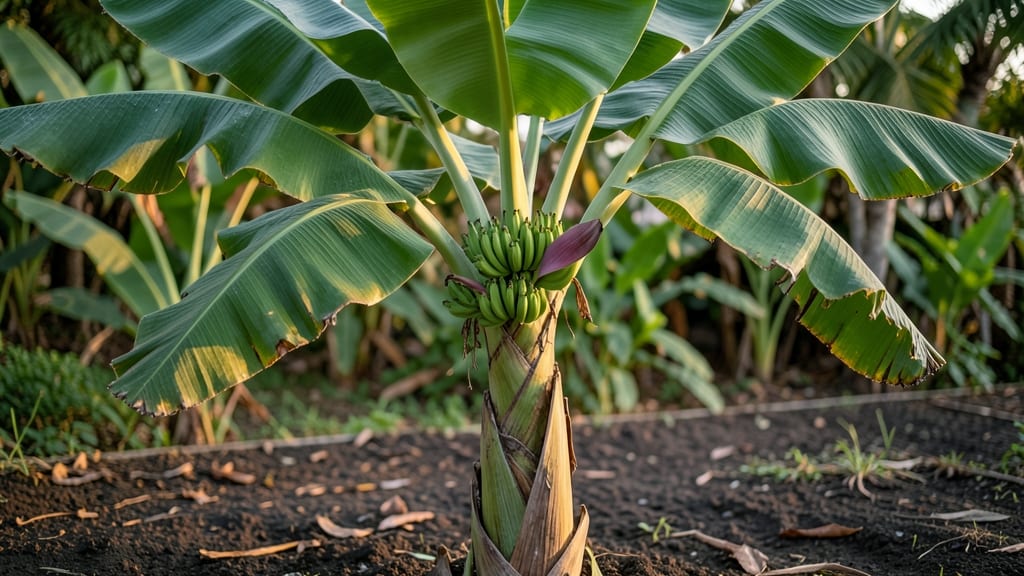
Ever wondered how tall a banana plant can grow but worried about how much space these tropical giants need? The truth is, these plants can reach heights that will surprise you—some varieties towering over 20 feet in ideal conditions, while others stay more manageable.
If you're considering adding a banana plant to your garden, knowing its potential height is the first step to planning. Whether you're in a warm climate like zones 10-12 or experimenting with container growing, understanding the differences between varieties will help you choose the right fit for your space.
In this guide, I’ll break down the height ranges of popular banana types, from compact options to full-sized giants, and share tips to encourage (or control) their growth. You’ll learn how to maximize their size in tropical conditions or adapt them to smaller spaces—no matter where you live.
Ready to turn your backyard—or even a sunny patio—into a banana oasis? Let’s dive into what you need to know before planting.

Banana plant height ranges by popular varieties: from dwarf to giant
Banana plants are often mistaken for trees, but they’re actually giant herbs that can reach heights most homeowners never expect. The mature height of a banana plant varies wildly by variety, with some staying under 10 feet while others tower over 20 feet.
If you’re planning your garden layout, knowing these differences is key to choosing the right variety for your space.
Most banana plants fall into three broad categories: dwarf varieties, standard varieties, and giant varieties. The Dwarf Cavendish, for example, is a popular choice for smaller gardens, while the Red Dacca or Ice Cream banana can easily exceed 20 feet in ideal conditions.
Let’s break down the height ranges you can expect from the most common varieties.
🌱 Height Comparison Table: Here’s a quick reference for how tall each variety typically grows, along with their growth habits and ideal growing conditions.
| Variety | Mature Height | Growth Habit | Notes |
|---|---|---|---|
| Dwarf Cavendish | 8–12 ft | Compact, bushy | Best for containers or small gardens; produces small, sweet bananas. |
| Lady Finger (Dwarf Blue Java) | 6–10 ft | Slender, upright | Fruit is long and thin; great for indoor pots with bright light. |
| Red Dacca | 15–20 ft | Tall, robust | Produces red bananas; needs strong support and space. |
| Ice Cream Banana | 12–18 ft | Medium-tall, sturdy | Fruit is creamy and sweet; thrives in warm climates. |
| Plantain | 10–15 ft | Bushy, broad | Used more for cooking than fresh eating; drought-tolerant once established. |
| Gros Michel | 18–25 ft | Very tall, fast-growing | Historically important variety; needs tropical conditions to thrive. |
The Dwarf Cavendish and Lady Finger varieties are your best bets if you’re working with limited space, as they rarely exceed 10 feet. These varieties are also more adaptable to container growing, making them ideal for patios or balconies in warmer climates.
However, if you’re aiming for a dramatic tropical look or a large harvest, varieties like the Red Dacca or Gros Michel will give you that 20-foot-plus statement plant.
It’s important to note that height isn’t the only factor to consider when choosing a variety. The width of the plant and its leaf spread can also impact your garden layout.
For example, a Red Dacca banana plant might only reach 15 feet tall but can spread up to 10 feet wide with its large, arching leaves. Always account for this when selecting a planting location.
Another key factor influencing height is the growing environment. Banana plants in tropical climates with year-round warmth and high humidity will grow significantly taller than those in cooler subtropical zones.
For instance, a Lady Finger banana in USDA Zone 11 might reach 10 feet, while the same variety in Zone 10 could max out at 8 feet.
This is why many gardeners in cooler regions opt for dwarf varieties or grow banana plants in containers that can be moved indoors during colder months.
If you’re curious about how quickly these plants grow, most banana varieties will reach 3–6 feet in their first year and 8–12 feet by their second year. The fastest growth typically occurs during the spring and summer months, when temperatures are warm and daylight hours are long.
With proper care, some varieties can add 3–5 feet of height in a single growing season.
One common misconception is that banana plants continue growing indefinitely. In reality, they follow a one-time growth cycle: the plant grows leaves, produces a flower stalk, and then eventually dies after fruiting.
However, the rhizome (root system) often sends up new shoots, allowing the plant to regenerate and continue producing bananas for years. This means you can enjoy a tall, lush banana plant for multiple harvest cycles without replanting.
For gardeners in smaller spaces, there’s good news: while banana plants are known
How to maximize banana plant growth: soil, climate, and care tips
Banana plants thrive when given the right conditions, and their height potential skyrockets with proper care. The key to encouraging maximized growth lies in mimicking their tropical habitat—rich soil, abundant sunlight, and consistent moisture.
Let’s break down the essentials to help your banana plant reach its full height potential, whether you’re aiming for a 15-foot standard variety or a 20-foot giant.
First, soil quality is non-negotiable. Banana plants crave well-draining, slightly acidic soil with a pH between 5.5 and 7.0. Amend your garden soil with compost or aged manure to improve fertility and drainage.
If your soil is heavy clay, consider planting in raised beds or containers to prevent root rot—a common issue that stunts growth. In tropical zones, mulching with straw or coconut coir helps retain moisture and regulate soil temperature.
🌱 5 Critical Factors for Banana Plant Growth
- 💧 Watering: Deep soak 2-3x weekly (1-2 gallons per plant). Avoid waterlogging.
- ☀️ Sunlight: 6+ hours of direct sun daily. Partial shade in extreme heat.
- 🌱 Soil: Well-draining, pH 5.5-7.0, rich in organic matter.
- 🍽️ Fertilizer: Balanced NPK (10-10-10) every 4-6 weeks during growing season.
- 🌡️ Climate: USDA Zones 10-12. Protect from frost and strong winds.
Next, sunlight exposure directly impacts height. Banana plants are sun-worshippers and need 6-8 hours of direct sunlight daily to grow tall and produce fruit. In hot climates like Florida or Hawaii, provide afternoon shade to prevent leaf scorch, which can weaken the plant.
If you’re growing bananas in containers or cooler zones, place them near a south-facing window or use grow lights to supplement natural light.
Watering is another critical factor. Banana plants have high water needs, especially during fruiting. Water deeply 2-3 times per week, ensuring the soil stays consistently moist but not soggy. Morning watering is ideal—it reduces evaporation and fungal risks.
In containers, water every 2-3 days since pots dry out faster. During winter or dormancy, reduce watering to once a week to prevent root rot.
Finally, fertilization fuels rapid growth. Use a balanced fertilizer (10-10-10 or 6-6-6) every 4-6 weeks during the growing season (spring through fall). In late summer, switch to a high-potassium fertilizer to encourage fruiting.
Avoid over-fertilizing, as this can lead to excessive leafy growth at the expense of fruit production. Always water after fertilizing to prevent root burn.
With these care tips, your banana plant will grow taller and healthier, rewarding you with abundant fruit and lush foliage. Just remember: patience is key—bananas take 6-12 months to mature, but the wait is worth it for that tropical paradise in your garden! 🌿