
How To
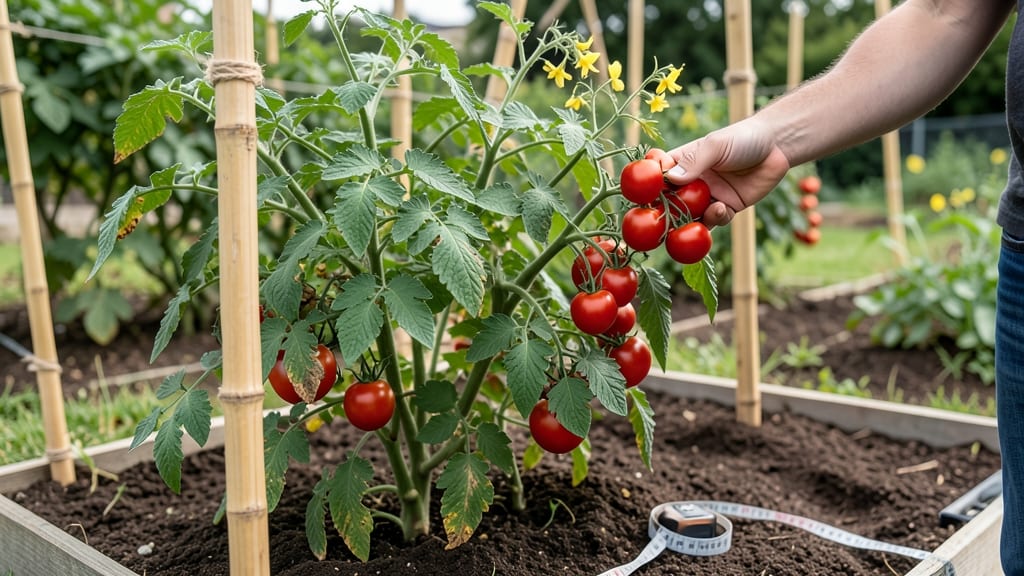
Ever wondered how tall a tomato plant will grow when you’re staring at a seed packet for your tiny balcony or crowded garden bed? The answer isn’t as simple as you’d think—because some varieties reach skyward like jungle vines while others stay compact like shrubs.
If you're planning your spring garden in USDA Zone 6a, knowing these heights ahead of time could mean the difference between a thriving harvest and a crowded mess.
I’ll break down exactly how tall different tomato types grow, from dwarf varieties that barely clear your knees to towering indeterminate plants that need serious support.
Whether you're working with limited space or dreaming of a vertical garden, understanding these growth patterns helps you choose the right varieties for your setup. Let’s explore how to predict your tomato’s height before you even plant that first seed.
From the 3-foot cherry tomatoes that spill over containers to the 6-foot monsters that need trellises, I’ll show you how to match your space to your plants—so you can grow more without the growing pains.

Tomato plant height by variety: from bushes to vines
Tomato plants come in two main growth types: determinate (bush varieties) and indeterminate (vining types). The height difference between these can be dramatic—some stay compact while others reach skyward. Knowing your variety’s growth habit helps you plan spacing, support structures, and even container sizes.
Let’s break down the heights you can expect from popular varieties and how they’ll impact your garden layout.
Determinate tomatoes grow to a predictable height (usually 3–5 feet) and produce fruit all at once. Indeterminate varieties, on the other hand, keep growing and fruiting until frost—often climbing 6–10 feet or more without support.
If you’re short on space, dwarf or semi-dwarf varieties can be game-changers, while tall vining types need trellises or cages to thrive.
| Variety | Type | Mature Height | Space Needs | Best For |
|---|---|---|---|---|
| Cherry Roma | Determinate | 3–4 ft | 18–24" apart | Containers, small gardens |
| Beefsteak | Indeterminate | 6–10 ft | 36–48" apart + trellis | Large gardens, trellises |
| Sungold | Indeterminate | 4–6 ft | 24–30" apart | Balconies, vertical gardens |
| Early Girl | Indeterminate | 5–7 ft | 30–36" apart | Early harvests, cages |
| Tiny Tim | Determinate (Dwarf) | 1–2 ft | 12–18" apart | Containers, windowsills |
| Brandywine | td style="padding: 8px;">Indeterminate6–8 ft | 48" apart + strong support | Heirloom gardens, trellises | |
| Patio | Determinate | 2–3 ft | 12–18" apart | Patio pots, small spaces |
| Celebrity | Determinate | 3–4 ft | 24" apart | Early-season gardens |
The Cherry Roma and Tiny Tim varieties are perfect for small spaces, while Beefsteak and Brandywine need room to sprawl—or climb. If you’re growing indeterminate types like Sungold or Early Girl, plan for vertical support early.
Without it, vines can flop, leading to disease and poor fruit production. Even determinate types benefit from light staking to improve airflow and reduce rot.
For container gardening, stick to dwarf or semi-dwarf varieties like Patio or Balcony Red. A 5-gallon pot can handle a Tiny Tim, but indeterminate types need at least 10–15 gallons to support their root systems.
If you’re using containers, ensure they have drainage holes and support cages to prevent toppling as the plant grows.
One common mistake is underestimating indeterminate growth. A seed packet might list a height of "4–6 feet," but in ideal conditions (full sun, rich soil, consistent water), your Beefsteak could easily hit 10 feet.
Always err on the side of extra space—especially if you’re growing multiple plants. Crowding leads to shady lower leaves, which increases the risk of blight and fungal diseases.
Pro tip: Check the back of seed packets or plant tags for height ranges. If you’re unsure, ask your local nursery for recommendations based on your climate zone.
For example, Southern gardeners can push indeterminate varieties harder since frost comes later. In Northern climates, focus on early-maturing determinate types to avoid short seasons.
If you’re growing heirloom varieties, be prepared for unpredictable heights. Some, like Black Krim, can surprise you with 8-foot vines even if the packet says "5–6 feet."
Keep a growth journal to track your plants’ progress—it’ll help you plan better for next year. And remember, pruning indeterminate types can control height while boosting fruit production.
For urban gardeners, consider vertical gardening with tomato towers or wall-mounted trellises. These systems save space and make harvesting easier. Just ensure your support structure is sturdy—a 6-foot indeterminate plant can weigh 20+ pounds when laden with fruit! 🌱
Tomato plant height by variety: from bushes to vines
Tomato plants come in two main growth types: determinate (bush) and indeterminate (vining). Determinate varieties grow to a fixed height—typically 3 to 5 feet—and produce fruit all at once, while indeterminate types keep growing until frost, often reaching 6 to 10 feet or more.
Knowing these differences helps you plan spacing, support structures, and even container sizes.
For example, Cherry Roma tomatoes are determinate, staying compact at 3 to 4 feet, making them perfect for small gardens or containers. On the other hand, Sungold or Brandywine varieties are indeterminate and can climb 8 to 12 feet if given proper support.
This height difference isn’t just about space—it also affects how you’ll train, prune, and harvest your plants.
Here’s a quick breakdown of popular tomato varieties and their mature heights to help you visualize what to expect in your garden:
| Variety | Type | Mature Height | Best For |
|---|---|---|---|
| Cherry Roma | Determinate | 3–4 ft | Containers, small gardens |
| Beefsteak | Indeterminate | 6–10 ft | Trellises, large gardens |
| Sungold | Indeterminate | 4–8 ft | Vertical growing, high yields |
| Early Girl | Indeterminate | 5–7 ft | Early harvests, staking |
| Patio Princess | Determinate | 2–3 ft | Balconies, pots |
| Brandywine | td style="padding: 8px;">Indeterminate6–12 ft | Heirloom lovers, trellises |
If you’re growing determinate tomatoes, you’ll enjoy a single harvest but will need to replant annually since these varieties don’t regrow after fruiting. Indeterminate types, however, produce fruit continuously throughout the season, making them ideal for extended harvests—but they require more space and support to thrive.
For small gardens or containers, dwarf varieties like Tiny Tim (1–2 feet) or Patio Princess (2–3 feet) are game-changers. They’re perfect for balconies or windowsills and still deliver abundant fruit without taking up much room. Just ensure your container is at least 5 gallons to accommodate their root systems.
Pro tip: Always check the seed packet or plant tag for height estimates—breeders often refine varieties to grow shorter or taller than older standards. For example, modern cherry tomatoes like Sweet Million can reach 5–6 feet, while older varieties might top out at 3–4 feet.
Matching the variety to your space ensures healthier plants and happier harvests!