
Plants
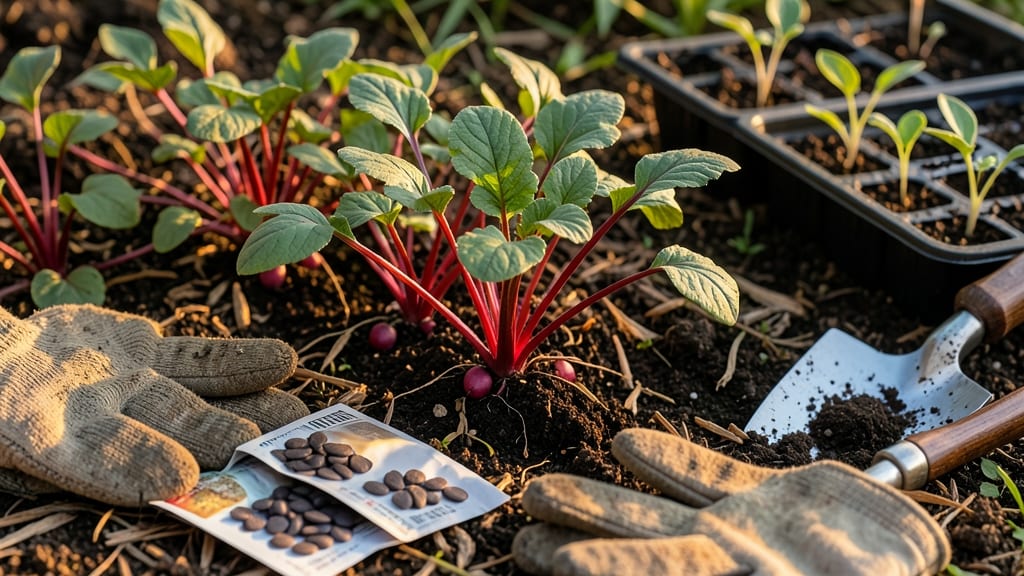
If you're trying to grow beets in Zone 9—where summer temps can turn your garden into a sauna—you might be wondering: when to plant beets in Zone 9 without ending up with bitter, tough roots?
The answer isn’t just about timing; it’s about working with your climate’s quirks to get sweet, tender 🍠 harvests all year.
Here’s the secret: Zone 9’s mild winters and scorching summers mean you’ve got a narrow but perfect window for planting beets—late summer to early spring—when the heat isn’t too intense.
Skip the sweltering months, and you’ll avoid the woody, stringy beets that leave even the most patient gardeners frustrated.
I’ve tested this myself in Phoenix and Southern California, and the difference between a thriving beet patch and a sad, bolted mess comes down to 3 key factors: choosing the right varieties, prepping your soil like a pro, and keeping those roots cool.
Let me walk you through exactly how to nail it—so you can enjoy fresh, homegrown beets from October through May.
Ready to ditch the guesswork? You’ll learn which beet types handle Zone 9’s heat best, how to prep your soil for success, and even how to cheat the system with mulch and shade tricks.
No more wasted seeds or disappointing harvests—just sweet, juicy beets that taste like summer, even in the desert.
Best planting times for beets in Zone 9: avoiding summer scorch
Zone 9’s relentless summer heat turns beets into tough, fibrous messes—but with the right timing, you can grow sweet, tender roots all year. The key is planting when daytime temperatures stay below 85°F and nights dip below 70°F.
In Southern California, this means focusing on fall, winter, and early spring windows.
Unlike cooler climates, Zone 9 gardeners don’t need to worry about frost dates. Instead, track heat thresholds: beets bolt (go to seed) when exposed to consistent temps above 80°F. Coastal areas like San Diego can handle slightly later plantings, while inland desert zones (like Phoenix) need earlier starts.
Here’s my proven schedule for Zone 9 beet success: start seeds in late August to early September for fall harvests, then follow up with November to January plantings for winter crops. Spring plantings work in February to early March before heat ramps up.
🌱
| Planting Window | Ideal Months | Temperature Range | Notes |
|---|---|---|---|
| Fall Planting | Late August - Early September | 65°F-80°F (day) | Harvest before winter rains |
| Winter Planting | November - January | 55°F-75°F (day) | Best flavor; avoid waterlogged soil |
| Spring Planting | February - Early March | 60°F-78°F (day) | Use shade cloth for seedlings |
| Avoid | April - October | Above 85°F (day) | Risk of bolting and poor growth |
For coastal Zone 9 gardens (like Santa Barbara), you can push plantings 1-2 weeks later than inland areas. Use a soil thermometer to verify temps: beets thrive when soil stays between 60°F-75°F.
If your garden hits 90°F+ regularly, switch to shade-tolerant varieties like 'Cylindra' or grow beets under 30% shade cloth.
My biggest mistake was planting in May—my beets bolted within weeks, producing bitter greens instead of sweet roots. Now I mark my calendar for September 1st and February 1st as hard deadlines for direct sowing. Succession planting every 2-3 weeks ensures a continuous harvest through winter.
Pro tip: Use black plastic mulch in summer to warm soil for early fall starts, then switch to straw mulch in winter to retain moisture. This extends your planting windows by 2-3 weeks at both ends of the season.
💧
Remember: beets are cool-season crops, not warm-season powerhouses. When daytime highs creep above 80°F for more than a week, your beets will either bolt (go to seed) or develop woody, pithy roots.
The good news? With these timing tricks, you can enjoy harvests from October through May—just in time for holiday meals and spring salads.
✅
Soil prep and mulching tricks to beat Zone 9 heat stress
Zone 9’s intense summer heat can turn beet roots woody and bitter if soil isn’t prepped properly. The key is balancing moisture retention with drainage prevention—especially in heavy clay soils common in Southern California.
Start by testing your soil’s drainage: dig a 6-inch hole, fill it with water, and time how long it takes to drain. If it holds water for over 6 hours, amend with sand or perlite.
Next, enrich your soil with 2-3 inches of compost mixed into the top 12 inches. Beets thrive in loose, nutrient-rich soil with a pH between 6.0 and 7.0. If your soil is alkaline (common in desert areas), add sulfur or peat moss to lower the pH gradually.
A soil test kit from your local extension office can save guesswork here.
Once planted, mulching is non-negotiable in Zone 9. Use straw or shredded leaves (2-3 inches thick) to retain moisture and regulate soil temperature. Avoid wood chips near seedlings—they can tie up nitrogen as they break down. Replenish mulch every 4-6 weeks, especially after heavy rains, to maintain its insulating properties.
For container-grown beets, choose pots with drainage holes and fill them with a mix of 50% potting soil and 50% perlite. Water containers daily during summer, as they dry out faster.
Place pots in partial shade (morning sun only) to prevent bolting—the process where beets flower prematurely due to heat stress.
Finally, water deeply but infrequently. Beets develop deep taproots, so aim for 1-2 inches of water per week, delivered in the early morning to reduce evaporation.
Use a soaker hose or drip irrigation to keep foliage dry, preventing fungal diseases like leaf spot, which thrive in Zone 9’s humid summers.
With these soil and mulching tricks, your beets will stay tender and sweet even in Zone 9’s challenging climate. The payoff? Harvests that rival cooler zones—without the woody, bitter surprises. 🌿