
Plants
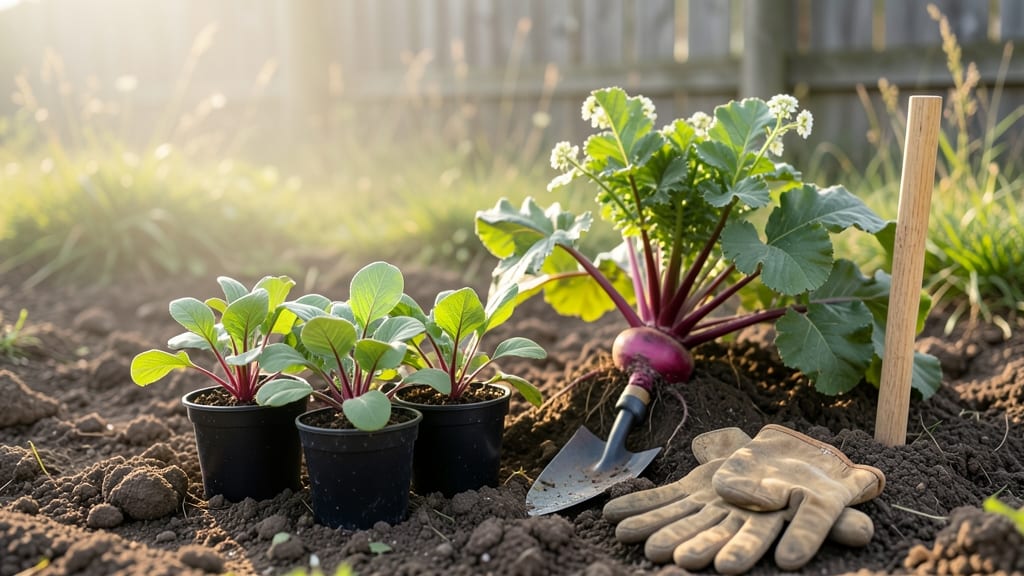
Timing your beet planting in Kentucky could mean the difference between a garden full of sweet, tender 🍠 beets and a disappointing harvest of bitter, bolted greens. With Kentucky's unpredictable spring weather and humid summers, getting the schedule right is the key to success.
Most gardeners in USDA zones 6a-7a know that beets are cool-season crops, but the exact window matters more than you might think. Plant too early, and frost will damage tender seedlings.
Wait too long, and the heat will trigger bolting before you can harvest. The solution? Two perfect planting windows: early spring and late summer.
In this guide, I'll walk you through the exact dates to plant your beets in Kentucky, including how to adjust for your specific microclimate. You'll learn when to start seeds indoors, when to direct-sow outdoors, and how to stretch your harvest season for fresh beets from June through November.
Whether you're a beginner gardener or a seasoned pro, these beet planting tips will help you avoid common mistakes and grow the most delicious, homegrown beets your Kentucky garden has ever seen.
Optimal Kentucky beet planting dates to avoid bolting and heat stress
Kentucky’s USDA zones 6-7 offer two prime windows for planting beets: early spring and late summer. Timing is critical because beets bolt (go to seed) when exposed to heat or long days. My goal is to help you avoid bitter, woody roots by planting at the perfect moments.
For spring planting, aim for 4-6 weeks before your last frost date—typically mid-March to early April in most of Kentucky. This gives seedlings time to establish before summer heat arrives. In northern Kentucky (zone 6a), start as early as late February under row covers if needed.
Fall planting should begin 8-10 weeks before your first frost, usually late July to early August. This ensures beets mature before November’s first frost but avoids the intense summer heat that triggers bolting.
In western Kentucky (zone 7b), you might push planting to mid-August for a second harvest.
| Planting Window | Soil Temp Threshold | Key Consideration | Kentucky-Specific Tip |
|---|---|---|---|
| Early Spring (March-April) | 45-50°F | Avoid frost damage | Use row covers in zone 6a |
| Late Summer (July-August) | 60-65°F | Prevent bolting | Shade cloth for western KY |
| Succession Planting | 50-70°F | Extend harvest window | Every 2-3 weeks until August |
Kentucky’s microclimates matter—Bluegrass Region (Lexington/Louisville) tends to be cooler than Pennyrile (Paducah). Adjust planting by 1-2 weeks later in hotter, drier western areas. Always check soil temperature with a probe—beets need consistent warmth to germinate.
Bolting risk increases when days exceed 14 hours of light. In Kentucky, this typically happens after late May. To delay bolting, use shade cloth (30-50%) or plant heat-tolerant varieties like ‘Detroit Dark Red’ for summer success.
For container gardening, start seeds indoors 6-8 weeks before transplanting outdoors. Use fast-draining mixes to prevent rot, and move pots to partial shade if temperatures exceed 85°F. My containers in Louisville often need afternoon shade by July.
Protect young seedlings from cutworms and flea beetles, common Kentucky pests. Use collars made from toilet paper rolls around seedlings or apply neem oil preventatively. I’ve lost entire rows to cutworms before learning this trick!
Always harvest before bolting—look for dark green leaves and firm roots 1-3 inches wide. If you see flower stalks, it’s too late for sweet beets. Store harvested beets in moist sand in a cool, dark place for up to 3 months.
By following these Kentucky-specific dates and tips, you’ll enjoy sweet, tender beets from June through November—no bitter surprises! 🌱
Optimal Kentucky beet planting dates to avoid bolting and heat stress
Kentucky’s USDA zones 6a-7a create a unique challenge for beet growers. The key to avoiding bolting (when beets flower prematurely) lies in planting during the coolest months—either early spring or late summer.
For most of Kentucky, this means starting seeds 4-6 weeks before your last frost date (typically around March 15) or sowing directly in late July to early August for a fall harvest.
Bolting occurs when beets sense heat stress or long daylight hours. In Kentucky’s humid summers, temperatures above 75°F trigger this response. By sticking to the ideal windows, you’ll grow sweet, tender beets instead of bitter greens.
| Planting Window | Key Dates (Kentucky) | Soil Temp | Microclimate Adjustments |
|---|---|---|---|
| Early Spring | Start seeds indoors: February 15-28 Direct sow outdoors: March 15-April 15 |
45-55°F | Northern KY (e.g., Lexington): Plant 2 weeks earlier Southern KY (e.g., Bowling Green): Wait until April 1 |
| Late Summer (Fall) | Direct sow outdoors: July 15-August 15 | 60-70°F | Highland areas (e.g., Pikeville): Plant by July 1 Lowland areas (e.g., Louisville): Extend to August 10 |
| Avoid Planting | May 15-October 1 | Above 75°F | Risk of bolting and heat stress |
For succession planting, sow new seeds every 2-3 weeks during your chosen window. This ensures a continuous harvest from June through October (spring planting) or October through November (fall planting).
In Kentucky’s Bluegrass region, where soils warm faster, you can start slightly earlier than in the Pennyrile region.
Always test your soil temperature before planting. Use a soil thermometer to confirm it’s at least 45°F for spring or 60°F for fall. Cold soil slows germination, while warm soil speeds it up—sometimes too fast, leading to uneven seedlings.
Pro tip: If you’re in a warmer microclimate (like Henderson), opt for heat-tolerant varieties like ‘Detroit Dark Red’ or ‘Cylindra’. These handle short heat spikes better than standard types. Pair them with shade cloth during peak summer afternoons to reduce stress.
Remember, Kentucky’s humidity can also stress beets. Mulch with straw or grass clippings to retain moisture and prevent bolting. With these dates and adjustments, you’ll enjoy crisp, sweet beets all season long.