
Plants
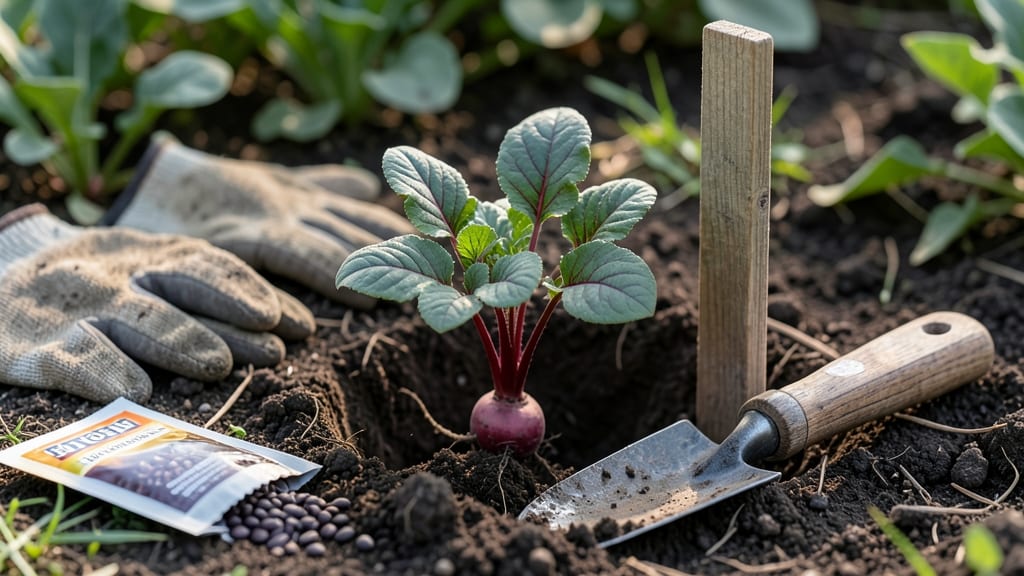
Knowing when to plant beets in Zone 8b is the secret to harvesting sweet, tender roots instead of bitter, bolted greens. Skip the guesswork, and you'll miss out on that perfect harvest window when temperatures and daylight align just right for peak flavor.
Zone 8b's mild winters and long growing season give you two prime chances to plant beets: early spring and late summer. But get it wrong, and you'll either deal with stunted growth from heat stress or wasted seeds from late frosts.
The key is understanding exactly when to start seeds for both spring and fall harvests.
I'll walk you through the exact month-by-month planting schedule that works for Zone 8b, including how to stretch your harvest through succession plantings. Whether you want crisp spring beets or sweet fall roots, this timeline ensures you'll always have fresh, homegrown beets without the frustration.
Plus, I'll share pro tips for handling Zone 8b's microclimates and avoiding common mistakes that lead to bolting. Ready to grow beets like a local? Let's get started with the perfect planting calendar for your zone.
Optimal planting windows for beets in Zone 8b to avoid bolting
Zone 8b’s mild winters and warm summers create a unique opportunity to grow beets year-round—but timing is everything. Plant too early, and you’ll risk premature bolting from heat stress. Plant too late, and your harvest may suffer from shortened daylight or cool soil temperatures.
The key is aligning your plantings with temperature thresholds and daylight changes to keep beets happy and productive.
Beets thrive when soil temperatures hover between 50°F and 75°F. In Zone 8b, this means focusing on early spring (March–April) and late summer (August–September) plantings. Spring plantings give you a summer harvest, while fall plantings extend your bounty into winter months with the right varieties and protections.
Let’s break down the ideal windows and how to maximize your success.
| Season | Planting Window | Soil Temp | Harvest Window | Notes |
|---|---|---|---|---|
| Early Spring | March 1–April 15 | 50°F–65°F | May–June | Best for cold-hardy varieties like 'Detroit Dark Red'. Use row covers if frost threatens. |
| Late Summer | August 1–September 15 | 60°F–75°F | October–November | Ideal for fall harvests. Choose fast-maturing varieties like 'Boltardy' to avoid bolting. |
| Winter (Microclimate) | October 15–November 15 | 55°F–68°F | December–February | Use row covers or cold frames for protection. Limit to small batches in sheltered spots. |
For spring plantings, aim to sow seeds as soon as the soil reaches 50°F, typically in early March in Zone 8b. This gives beets enough time to establish roots before summer heat arrives.
If you’re in a cooler microclimate (e.g., near mountains or valleys), wait until mid-March to avoid cold soil delays. Use a soil thermometer to confirm readiness—beets won’t germinate well below 50°F.
If you’re targeting a fall harvest, focus on late summer plantings (August–September). This timing ensures beets mature before daylight shortens in late fall, which can trigger bolting. For winter harvests, plant in mid-October and protect seedlings with row covers or straw mulch to insulate roots.
Varieties like 'Chioggia' or 'Golden' tolerate cooler temps better than standard red beets.
Pro tip: Succession planting every 2–3 weeks in spring and fall keeps a steady supply of beets. For example, sow a new batch in early April, then again in mid-April and late April to stagger harvests.
This method works especially well in Zone 8b, where mild winters allow for extended growing seasons.
One common mistake in Zone 8b is assuming beets can handle full summer heat without adjustments. Temperatures above 80°F can cause beets to bolt prematurely or develop woody roots.
To mitigate this, provide afternoon shade with a lightweight shade cloth (30–50% shade) during peak heat. Alternatively, plant heat-tolerant varieties like 'Ruby Queen' or 'Cylindra' for better resilience.
Always test your soil pH before planting—beets prefer 6.0–7.0. Amend with compost or aged manure to improve drainage and fertility. Well-draining soil prevents root rot, a common issue in Zone 8b’s humid summers. A quick soil test kit (available at garden centers) makes this easy to check.
Remember: Daylength matters. Beets are sensitive to shortening daylight in fall, which can trigger bolting. In Zone 8b, where days start shortening in late September, prioritize fast-maturing varieties (50–60 days to harvest) for fall plantings. Slow-growing varieties risk bolting before you can harvest.
Finally, keep an eye on your local microclimate. Urban areas with heat islands may need earlier plantings, while rural spots with cooler nights can extend fall harvests.
Adjust your timeline by 1–2 weeks based on your specific conditions. With this precise approach, you’ll enjoy crisp, sweet beets from spring through winter—without the
Optimal planting windows for beets in Zone 8b to avoid bolting
Zone 8b gardeners have a golden opportunity to grow beets year-round, but timing is everything. The key is planting when soil temperatures hover between 45°F and 85°F—too hot or cold, and your beets will bolt or rot.
For spring plantings, aim for mid-March to early April, while fall plantings should start in late August to early September to avoid summer heat stress.
In Zone 8b, the last frost date typically falls around February 15, but microclimates can push this earlier in sheltered areas. To maximize success, I always plant my first batch of beets 4-6 weeks before the last frost—this gives seedlings time to establish roots before warm weather arrives.
For fall harvests, count back 8-10 weeks from your first frost date (November 15) to determine your final planting window.
Here’s the breakdown of your ideal planting windows in Zone 8b, including temperature thresholds and harvest expectations:
| Season | Planting Window | Soil Temp (°F) | Harvest Window | Notes |
|---|---|---|---|---|
| Spring | Mid-March to Early April | 45°F–65°F | May–June | Plant 4–6 weeks before last frost; use cold-hardy varieties like 'Detroit Dark Red'. |
| Late Summer | Late August to Early September | 65°F–80°F | October–November | Avoid planting after September 15 to prevent bolting from heat. |
| Winter (Extended) | October (with row covers) | 40°F–55°F | December–January | Use row covers to protect from light frosts; harvest before hard freezes. |
For spring plantings, I recommend starting seeds indoors in late February if you’re eager for an early harvest. Transplant seedlings outdoors once soil warms to 50°F and nighttime temperatures stay above 40°F.
This head start gives you a jump on the season and helps avoid the bolt risk that comes with sudden heat spikes in April.
Zone 8b’s long growing season means you can also experiment with succession plantings every 2–3 weeks from March through September. This ensures a steady supply of fresh beets without overcrowding your garden.
Just remember: never plant beets when daytime temps exceed 85°F—they’ll bolt faster than you can say "sweet harvest."
Pro tip: If you love golden beets like 'Chioggia', plant them in late summer for a fall harvest. Their vibrant rings develop best in cooler weather, and you’ll avoid the woody texture that comes with heat stress.
With this timeline, you’ll have beets on your table from May through November—no grocery store needed!