
Plants
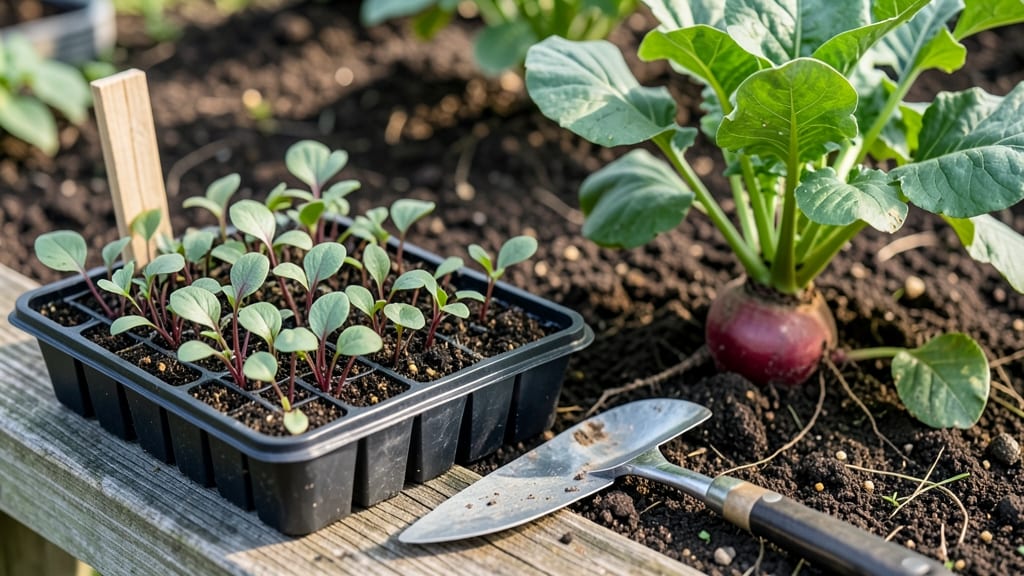
There's nothing quite like the earthy sweetness of homegrown beets 🍠 pulled straight from your garden—especially when you've timed their planting just right for fall's crisp air.
The key to harvesting those tender, flavor-packed roots lies in knowing exactly when to plant beets in the fall, and it all starts with that magical window between 4-6 weeks before your first frost.
If you've ever wondered why some gardeners swear by late summer plantings while others wait until September, the answer lies in your local climate and soil conditions.
In USDA Zone 6a, where I garden, planting too early risks bolting from heat stress, while waiting too long means woody, less tender roots. Let me show you how to nail that perfect timing for your region.
Once you've got the timing down, we'll cover how to protect your beets from early cold snaps using simple tricks like mulching and row covers. You'll also discover which beet varieties hold up best in cooler weather, ensuring your harvest stays sweet even as temperatures drop.
By the end of this guide, you'll have a clear roadmap for planting beets that taste like they've been kissed by fall's first chill—no guesswork, just delicious results. Let's get those seeds in the ground at the perfect moment!
Best fall planting timeline for beets by US hardiness zones
Timing your fall beet planting correctly ensures tender, sweet roots instead of tough, woody ones. The key is sowing seeds 4-6 weeks before your first frost date, but exact timing varies by USDA hardiness zone.
In colder zones (3-5), you’ll plant earlier than in warmer zones (8-10). Let’s break it down by region so you can align your planting with your local climate.
For most gardeners, late summer to early fall (August through mid-September) is the sweet spot. This window gives beets enough time to mature before winter’s chill sets in.
However, if you live in a warmer southern zone, you might push planting into October—just be prepared to protect them from unexpected early frosts. Always check your average first frost date (available via the USDA Plant Hardiness Zone Map) to calculate your ideal window.
Soil temperature also plays a critical role. Beets germinate best in soil that’s 45-85°F, but they tolerate cooler conditions once established. In northern zones (3-5), aim for a soil temp of 50-60°F at planting time.
In southern zones (8-10), you can plant later when soil cools to 60-70°F, but avoid extreme heat, which causes bolting (premature flowering).
If you’re unsure about your local frost dates, use the Almanac’s Frost Calculator or check with your local Cooperative Extension Service. For example, in Zone 6a (like much of the Midwest), planting in mid-August ensures harvests before the first hard frost in mid-November.
Meanwhile, in Zone 9a (southern California), you can push planting into early October and enjoy harvests through December.
For gardeners in transition zones (7-8), consider succession planting every 2-3 weeks from August through September. This staggered approach ensures a continuous harvest and reduces the risk of bolting if temperatures spike.
Just remember: beets need 55-70 days to mature, so your last planting should allow for harvest before hard frost (below 25°F).
One pro tip: Direct sow seeds rather than transplanting seedlings. Beets hate root disturbance, and transplanted roots often grow deformed or woody. Sow seeds ½ inch deep and 1 inch apart, thinning seedlings to 3-4 inches apart once they’re 2 inches tall.
This spacing prevents competition and ensures plump, tender roots.
Finally, test your soil’s fertility before planting. Beets thrive in loamy, well-draining soil with a pH of 6.0-7.0. Amend heavy clay or sandy soil with compost or aged manure to improve texture and nutrient retention.
A light application of 5-10-10 fertilizer at planting time encourages strong root development without excessive leaf growth.
With the right timing and soil prep, your fall beets will reward you with sweet, vibrant roots that outshine summer varieties. Just remember: plant early enough to mature before frost, but not so early that summer heat stresses the plants.
Balance is the key to a successful fall harvest! 🌱
Best fall planting timeline for beets by US hardiness zones
Timing your fall beet planting correctly ensures tender, sweet roots before winter sets in. The ideal window is 4-6 weeks before your first frost date, but this varies by USDA hardiness zone.
For example, gardeners in Zone 5 should start seeds in early August, while those in Zone 9 can plant as late as early October.
Beets need 50-60 days to mature, so calculate your last frost date and count backward. If you live in a cooler climate (Zones 3-6), aim for mid- to late August planting.
In warmer zones (Zones 7-10), you have until early October to sow seeds. Always check your local frost dates—they’re your planting schedule’s anchor.
| USDA Zone | Planting Window | Soil Temp (°F) | Notes |
|---|---|---|---|
| Zones 3-5 | Mid-August to early September | 50-65°F | Use row covers to extend season |
| Zones 6-7 | Late August to mid-September | 55-70°F | Mulch heavily after planting |
| Zones 8-10 | Early September to early October | 60-75°F | Can harvest through mild winters |
For soil temperature, beets thrive when soil is between 50-75°F. Use a soil thermometer to check—if it’s too hot (>85°F), seeds may fail to germinate.
In hot climates, plant in partial shade or use shade cloth until soil cools. Cold-hardy varieties like 'Detroit Dark Red' tolerate light frosts, but avoid planting when nights dip below 40°F.
If you miss the ideal window, don’t panic! You can still plant 6-8 weeks before frost for smaller harvests. Just expect slower growth and potentially bolting (flowering) if days get too short.
For a second crop, try succession planting by sowing every 2 weeks until early September. This ensures a steady supply of beets as winter approaches.
Before planting, prepare your garden bed by loosening soil and mixing in compost. Beets prefer well-draining, slightly acidic soil (pH 6.0-7.0). Add a balanced fertilizer (5-10-10) at planting time to encourage root development.
Avoid over-fertilizing—too much nitrogen leads to leafy tops with tiny roots. Water deeply after sowing to settle seeds and keep soil moist until germination.
Pro tip: Mark your planting dates on a calendar and set reminders for harvest time. Beets are ready when roots are 1-3 inches wide and leaves start yellowing. Harvest before hard frost to enjoy the sweetest, most tender fall beets! 🌱