
Plants
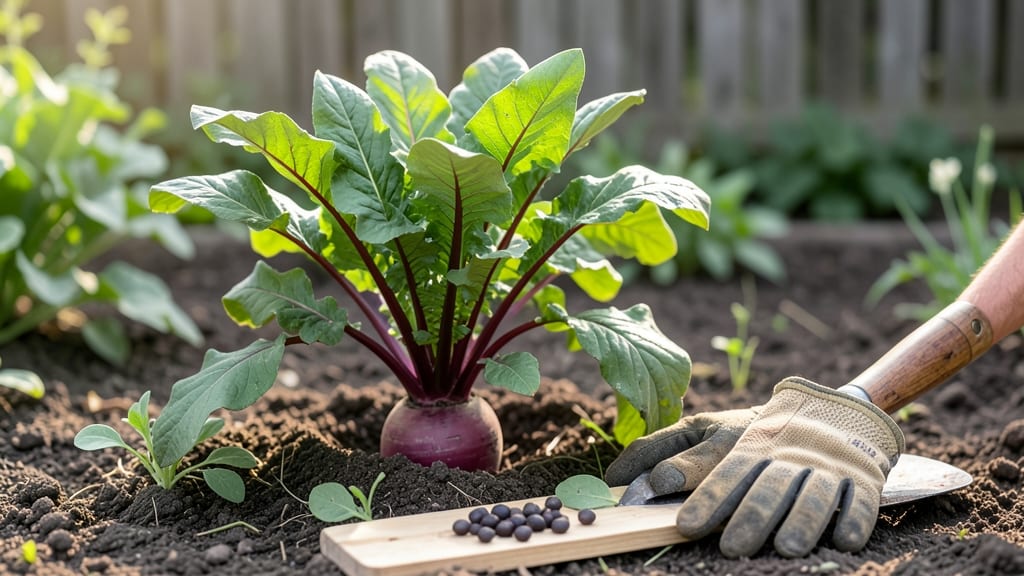
Timing your 🍠 beet planting in South Carolina could mean the difference between a bumper crop and a bitter disappointment.
The key to avoiding bolting—when beets turn woody and tough—lies in planting them at the perfect window, not too early when frost lingers, and not too late when summer heat stresses young seedlings.
Here’s the secret: In USDA zones 7b-8a, your best bets are early spring (February–March) and late summer (July–August). These months align with soil temperatures that encourage steady growth without triggering the bolting response.
But there’s more to it than just months—microclimates, like the cooler coastal areas versus the Piedmont’s heat, play a big role too.
I’ll break down the exact calendar dates to follow, plus how to choose beet varieties that thrive in South Carolina’s humidity. Whether you’re a first-time gardener or a seasoned green thumb, these insights will help you plan for zero bolting risk and a harvest of sweet, tender roots.
Ready to dig in? Let’s get your 🍠 beet garden on the right track—no guesswork, just proven results for your climate.
Best months to plant beets in South Carolina (avoiding bolting)
South Carolina’s humid subtropical climate (USDA zones 7b-8a) creates a unique challenge for beet growers. Unlike cooler northern states, our long, hot summers and mild winters demand precise timing to prevent bolting—when beets prematurely flower and turn bitter.
The key is planting when soil temperatures stay between 50°F and 70°F, giving roots time to mature before summer heat sets in.
For most of South Carolina, the ideal planting windows are early spring (February–March) and late summer (July–August). Coastal areas like Charleston can extend spring planting into early April, while the Upstate (Greenville, Spartanburg) may need to start as early as January to beat the heat.
Let’s break down the exact calendar dates and soil conditions to maximize your harvest.
📅 Critical Deadlines: Avoid planting after April 15 in the Lowcountry or May 1 in the Upstate, as soil temperatures will exceed 75°F, triggering bolting within weeks. Similarly, fall plantings must occur by August 15 to ensure roots mature before the first frost (mid-November in most regions).
| Planting Window | Soil Temp (°F) | Microclimate Notes | Bolting Risk |
|---|---|---|---|
| Early Spring (Feb–Mar) | 50–65°F | Lowcountry: Start by Feb 15; Upstate by Jan 20 | Low (if soil stays cool) |
| Late Summer (Jul–Aug) | 65–70°F | Coastal areas can plant until Aug 10; Upstate by Jul 25 | Moderate (heat stress increases risk) |
| Fall (Sept) | 60–70°F | Only viable in Upstate; Lowcountry too humid | High (short window before frost) |
🌱 Pro Tip: Use black plastic mulch to warm soil faster in spring or shade cloth to protect seedlings in summer.
In coastal South Carolina (e.g., Hilton Head, Myrtle Beach), the longer growing season allows for a third planting in early September, but only for heat-tolerant varieties like ‘Cylindra’ or ‘Burpee’s Golden’.
These varieties can handle short heat spikes better than traditional types. Test your soil temperature with a soil thermometer—beets won’t germinate well in soil below 45°F or above 85°F.
For Upstate regions (e.g., Greer, Anderson), focus on spring plantings in January–February and late summer in July. The cooler nights help prevent bolting, but watch for late frosts after March 15.
If you’re in the Piedmont, consider raising beds to improve drainage and warm soil faster. Add compost to raise soil temperature 2–3°F higher than surrounding areas.
One common mistake is assuming “spring” means April. In South Carolina, April heat can send beets bolting within 3–4 weeks. Instead, aim for seedlings to reach 2 inches tall before May 1.
Use row covers to protect young plants from cabbage worms and leaf miners, which thrive in our humidity. Remove covers once plants are established to avoid overheating.
If you’re in Zone 8a (e.g., Columbia, Florence), your last frost date is around March 1, giving you a 2-week head start over coastal areas. Plant every 2 weeks from February 15 to March 15 for a staggered harvest.
For fall plantings, start seeds indoors in late July and transplant after August 15 to avoid summer stress. Use drip irrigation to keep soil consistently moist—beets hate dry spells during root development.
To check if your soil is ready, press your finger 1 inch deep. If it feels like a slightly damp sponge, it’s perfect for planting.
If it’s rock-hard, wait for rain or water lightly for 2–3 days. Overwatering can cause forked roots, but underwatering leads to woody, bitter roots. Aim for 1 inch of water per week, delivered in the morning to prevent fungal diseases like leaf spot.
Remember: Beets are cool-season crops, and South Carolina’s heat tolerance threshold is lower than most gardeners realize. Once soil temps hit 80°F, growth slows dramatically. Use shade cloth (30–50%) over seedlings during 10 AM–2 PM to buy time for root development.
For a continuous harvest, plant every 2 weeks from February to March, then again in July and August.
🌡️ Final Tip: Monitor your local heat index, not just air temperature. South Carolina’s high humidity makes it feel 5–10°F hotter than the thermometer reads. Adjust your planting schedule 1–2 weeks earlier
South Carolina’s USDA zones 7b-8a create a unique challenge for beet growers. The ideal planting windows are early spring (February–March) and late summer (July–August), when soil temperatures stay between 50°F–70°F. Planting outside these windows risks bolting (premature flowering) or stunted growth due to heat stress. Coastal areas (like Charleston) have cooler microclimates and can start as early as January–February, while inland Piedmont regions (e.g., Columbia) should wait until late February–March to avoid frost damage. Always check your last frost date—March 15 is the average for most of SC. Here’s your exact planting calendar to avoid bolting and maximize yields: For spring plantings, aim for seeds in the ground 4–6 weeks before last frost. Use row covers if temperatures dip below 40°F to protect young seedlings. In late summer, prioritize shade cloth (30–50%) to prevent heat stress, especially in August’s peak temperatures. Pro tip: Test your soil temperature with a thermometer—beets thrive when soil is consistently above 50°F. If your garden runs hotter, opt for heat-tolerant varieties like ‘Cylindra’ or ‘Detroit Dark Red’ to reduce bolting risk. Timing isn’t just about months—it’s about soil conditions, microclimates, and variety choices. Master these, and you’ll enjoy sweet, tender beets all season long. 🌱Best months to plant beets in South Carolina (avoiding bolting)
Season
Planting Window
Soil Temp
Bolting Risk
Spring
Feb 15–Mar 15
50°F–65°F
Low (if frost-free)
Late Summer
Jul 15–Aug 15
65°F–75°F
Moderate (shade helps)
Fall
Sep 1–Oct 1
60°F–70°F
High (avoid late plantings)