
Planting
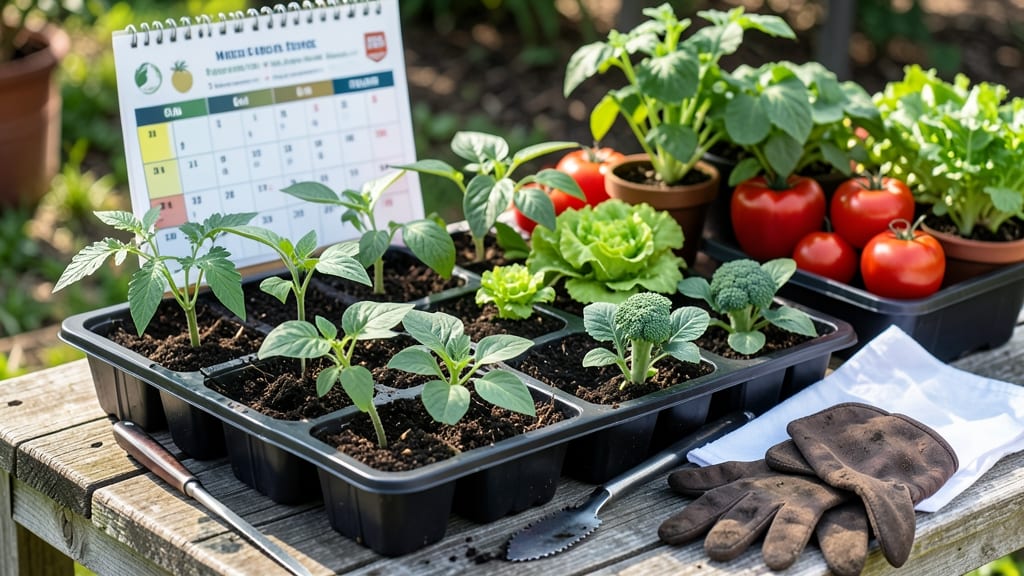
Timing your garden planting in Maryland can mean the difference between a bountiful harvest and a sad, frost-nipped disappointment. The exact months to plant your 🌱 General Garden Vegetables depend on whether you're growing cool-season greens or heat-loving tomatoes—but get it wrong, and you'll waste months of effort.
Maryland's USDA Zones 7a-7b offer a 180-day growing window, but frost dates shift from mid-April in the mountains to early May near the coast. That means planting lettuce too late or tomatoes too early could leave you scrambling.
I’ll break down the science-backed windows so you can align your planting with Maryland’s unpredictable weather patterns.
From mid-April (when soil warms enough for peas) to early June (when tomatoes thrive), each crop has its own ideal start date. We’ll cover how to adjust for coastal breezes, inland heat, and even last-minute frost surprises—so you can maximize every square foot of your garden without guesswork.
Ready to turn your Maryland garden into a zero-frost-risk success story? Let’s dive into the exact months, varieties, and pro tips that’ll have your plants thriving from May through September—no more wasted seeds or wilted dreams.
Maryland’s frost dates by region: critical planting windows for zero risk
Maryland’s USDA Zones 5-7 create a tricky balance—some years you can plant tomatoes by May 1st, while others, a late frost in April ruins tender seedlings. The key? Knowing your microclimate and frost-free windows.
Coastal areas like Annapolis and Baltimore tend to warm up faster, while inland regions (e.g., Frederick) often see frost lingering until mid-April. The Maryland Extension Service tracks these patterns, and I’ve distilled their data into actionable dates.
For cool-season crops (spinach, kale, peas), plant 4-6 weeks before your last frost. For warm-season crops (tomatoes, peppers), wait until 2-3 weeks after the average last frost date. Here’s how it breaks down by region:
⚠️ NON-NEGOTIABLE: Always check the National Weather Service for your exact county’s frost dates—they can vary by 1-2 weeks from the averages!
| Region | Last Spring Frost (Avg.) | First Fall Frost (Avg.) | Cool-Season Planting Window | Warm-Season Planting Window |
|---|---|---|---|---|
| Coastal (Annapolis, Baltimore) | March 25–April 5 | October 25–November 5 | March 15–April 15 | April 20–May 10 |
| Central (Frederick, Hagerstown) | April 5–April 15 | October 15–October 25 | March 25–April 5 | May 1–May 15 |
| Western (Cumberland, Allegany) | April 10–April 20 | October 10–October 20 | April 1–April 10 | May 10–May 25 |
In coastal Maryland, you can often start warm-season crops like tomatoes by April 20th, while inland gardeners should wait until May 1st to avoid frost damage.
The 100-day rule applies here: If your tomato variety needs 85 days to mature, plant by July 1st for a fall harvest before frost.
For fall planting, aim to sow cool-season crops like spinach or kale by August 15th (coastal) or September 1st (inland) to ensure they mature before the first frost. Use row covers to push these dates back by 2-3 weeks if needed.
Pro tip: Soil temperature matters more than air temperature. Use a soil thermometer—warm-season crops need soil at 60°F+ to germinate. In Maryland, this usually aligns with the last frost date, but not always!
If you’re in Zone 5 (Western MD), err on the side of caution: Wait until May 10th for tomatoes, even if the frost date says April 15th. A single 28°F night can wipe out seedlings overnight.
For perennials like asparagus, plant in early spring (March–April) or fall (September–October) to establish roots before dormancy. These hardy plants can handle Maryland’s winter chill, but they need 2-3 years to reach full production.
🌱
Best planting calendar for Maryland vegetables, flowers, and herbs by month
Maryland’s 180-day growing season runs from mid-April to mid-October, but not all plants thrive in the same months. Cool-season crops like lettuce and spinach love the spring chill, while tomatoes and peppers crave summer heat.
Timing is everything—plant too early, and frost will nip your seedlings; too late, and you’ll miss peak harvests.
I’ve broken down the ideal planting months for Maryland’s most popular 🌱 vegetables, flowers, and herbs, using data from the Maryland Extension Service and local frost records.
Whether you’re a beginner gardener or a seasoned pro, these dates will help you maximize yields and avoid common mistakes like bolting lettuce or blight-prone tomatoes.
🌱 Key Rule: Always check your local frost dates (coastal areas frost later than inland spots). For most of Maryland, April 15 is the last frost date, but mountain regions like Western Maryland can see frost until May 1. Use these guidelines as a starting point, then adjust based on your microclimate.
🌱 Maryland Planting Calendar by Month
| Month | Cool-Season Crops (🥬) | Warm-Season Crops (🍅) | Flowers & Herbs (🌼) | Pro Tip |
|---|---|---|---|---|
| March | Peas, Spinach, Lettuce (under cover) | — | Calendula, Pansies, Chives | Use row covers for extra frost protection. |
| April | Broccoli, Cabbage, Radishes | Tomatoes (after April 15) | Marigolds, Basil, Dill | Test soil pH (6.0-7.0) before planting. |
| May | Lettuce (late varieties) | Peppers, Eggplant, Cucumbers | Zinnias, Nasturtiums, Oregano | Mulch to retain moisture and suppress weeds. |
| June | — | Beans, Corn, Squash | Sunflowers, Lavender, Thyme | Plant companion crops (e.g., basil + tomatoes). |
| September | Kale, Arugula, Radishes | — | Chrysanthemums, Parsley, Cilantro | Sow fast-growing crops for fall harvests. |
For warm-season crops, the May-June window is critical. Tomatoes, peppers, and eggplants need soil temps above 60°F to germinate. If you’re in Western Maryland, wait until mid-May to avoid frost damage.
Meanwhile, cool-season crops like broccoli and cabbage can handle light frosts and should be planted 4-6 weeks before your last frost date.
Don’t forget about herbs and flowers! Many, like basil and marigolds, thrive in summer heat, while pansies and calendula can handle spring chills.
Planting them alongside your vegetables creates a pollinator-friendly garden that boosts yields. For example, nasturtiums deter pests from your tomatoes, while basil improves their flavor.
Pro 🌿 tip: Use succession planting to extend harvests. After picking early lettuce in June, replant with