
Plants
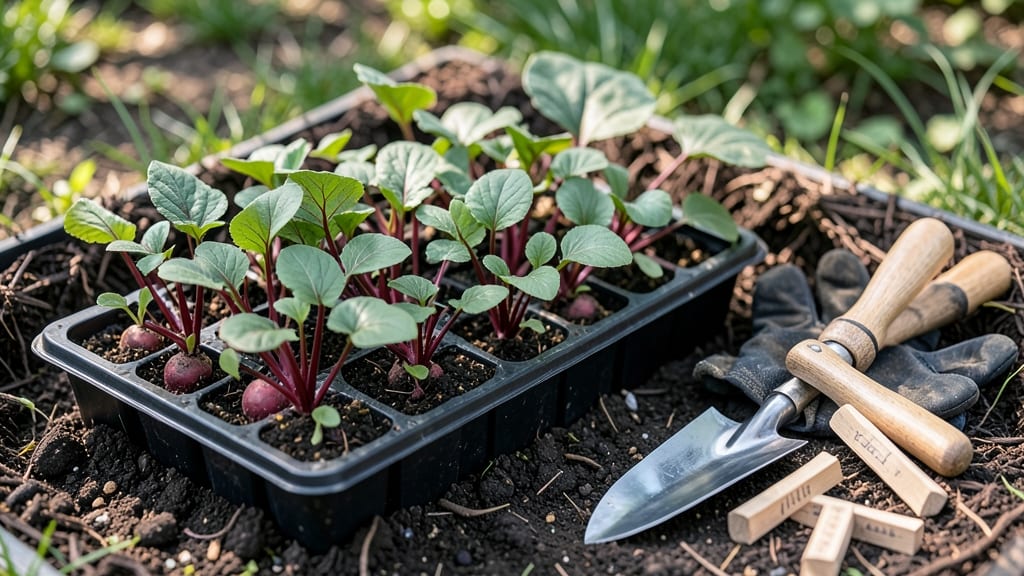
Timing your beet planting in Kansas can make or break your harvest—get it right, and you'll enjoy sweet, tender roots all season; miss the window, and you might end up with bitter greens or bolted plants.
The USDA Zone 6a climate means you've got two prime chances to grow 🍠 beets each year, but knowing the exact frost-free dates is the key to success.
Spring plantings should start as early as March 15, when soil temperatures creep above 50°F, but don’t wait too long—by April 30, the window narrows as days grow longer.
Meanwhile, fall plantings thrive from September 1 to October 15, giving you a second harvest before winter sets in.
What sets Kansas apart? Microclimates mean frost dates vary by region—some areas can push spring plantings later, while others need to start earlier. I’ll break down the exact frost-free windows for your part of the state and share pro tips to avoid common pitfalls like woody roots or bolting.
Ready to grow beets that rival the pros? Let’s dive into the precise planting schedule, soil prep secrets, and care routines that’ll turn your Kansas garden into a beet bonanza—without the guesswork.
Kansas frost-free dates by region: best beet planting windows
Kansas’ diverse climate zones create unique frost-free windows for beets, so timing your plantings correctly is key. The state spans USDA Zones 5b to 7a, with last frost dates ranging from early March in the southwest to late April in the northeast.
Understanding these windows ensures you avoid bolting (premature flowering) or frost damage.
For spring plantings, aim to sow seeds 2-3 weeks before your last frost date. In Kansas, this typically means starting in mid-March to late April, depending on your region.
For fall harvests, plant seeds 80-90 days before your first frost—usually between early September and mid-October.
Here’s how Kansas’ 5 key regions break down for beet planting:
For cold-hardy varieties like Detroit Dark Red, you can push spring plantings slightly earlier (as early as mid-February) in warmer microclimates (e.g., near buildings or in low-lying areas). Conversely, heat-tolerant varieties like Chioggia can handle late spring plantings up to May 15 in most regions.
If you’re unsure about your exact frost dates, check the Kansas Mesonet or local Cooperative Extension Service for real-time updates. Row covers can extend your spring planting window by 2-3 weeks and delay fall frost damage by up to 4 weeks.
Pro tip: Soil temperature matters just as much as air temperature. Beets thrive when soil reaches 50°F (10°C). Use a soil thermometer to confirm readiness—especially in northern Kansas, where cooler soils delay germination.
For fall plantings, prioritize early-maturing varieties (e.g., ‘Early Wonder Tall Top’) to harvest before first frost. In southeastern Kansas, where frost arrives earliest, aim to plant by August 25 for a late-October harvest.
Remember: Succession planting every 2-3 weeks ensures a continuous harvest. Whether you’re in Wichita’s warm west or Kansas City’s humid east, these windows will help you grow sweet, tender beets all season long.
Top 3 beet varieties for Kansas gardens and their ideal planting times
Choosing the right beet varieties for Kansas means balancing cold tolerance with heat resistance. The wrong pick can lead to bolting (flowering prematurely) or woody roots—both common in Kansas' variable climate.
Here are my top 3 varieties, ranked for Kansas success, plus their perfect planting windows to avoid these pitfalls.
First, the Detroit Dark Red stands out as Kansas' all-around champion. This classic variety thrives in cool spring soil (40-85°F) and handles fall's chill better than most. For spring plantings, aim for March 20–April 15—just after your last frost date.
In fall, sow seeds by September 1–15 to harvest before hard frosts hit.
Next, Chioggia (the "candy cane" beet) brings vibrant stripes but needs slightly more care. Its sensitive roots demand consistent moisture, so I recommend planting only in well-draining soil with afternoon shade in Kansas' hotter zones (West/Central). Plant April 1–May 10 for spring or September 15–October 1 for fall harvests.
⚠️ Pros & Cons: Kansas Beet Varieties
- ✔ Cold-hardy to 28°F
- ✔ 60-day harvest
- ✔ Resists bolting in heat
- ✖ Needs deep soil (6+")
- ✖ Woody if overgrown
- ✔ Sweet pink stripes
- ✔ 55-day harvest
- ✔ Great for baby beets
- ✖ Needs consistent water
- ✖ Bolts in heat
- ✖ Thin soil = small roots
- ✔ 45-day harvest
- ✔ Heat-tolerant greens
- ✔ Good for succession planting
- ✖ Small roots (1-2")
- ✖ Not cold-hardy
- ✖ Bitter in heat
Lastly, Early Wonder Tall Top is my go-to for quick harvests (just 45 days!). This variety excels in late spring plantings (May 1–June 1) when soil warms up. It’s also perfect for succession planting—sow seeds every 2 weeks through July to keep greens coming all season.
However, its roots stay small, so it’s best for baby beets or cooking greens.
Pro tip: For fall plantings, always choose cold-hardy varieties like Detroit Dark Red. In Kansas' Zone 6a, soil temps drop quickly after October 15, so aim to harvest before hard frosts. Use row covers to extend the season by 2–3 weeks if needed.
Remember: Soil temperature matters more than air temperature for beets. Use a soil thermometer—seeds won’t sprout well in soil below 40°F. In Kansas, this usually means waiting until mid-March for spring plantings, even if air temps feel warm.