
Plants
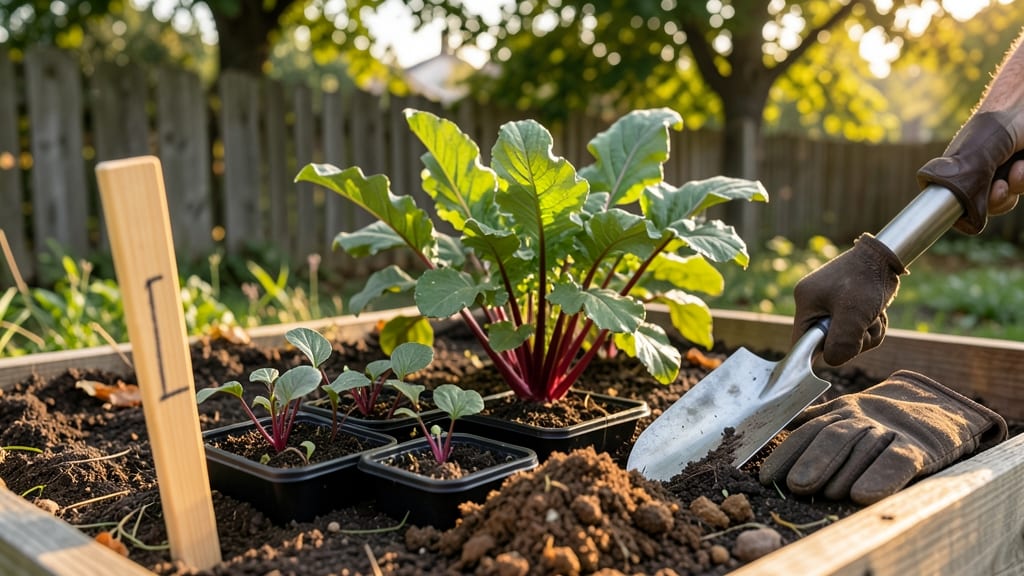
Knowing when to plant beets in Arkansas can mean the difference between sweet, tender roots and bitter, woody disappointments.
With Arkansas' 7a-8b climate, timing matters more than you might think - plant too early, and frost will ruin your crop; too late, and your beets turn tough before you can harvest.
Beets like 🥕 thrive when planted during Arkansas' ideal windows: early spring (February-March) and late summer (July-August). These periods give your beets the perfect balance of cool weather and enough growing days before summer's heat sets in.
Whether you're in Little Rock or Fayetteville, understanding your local frost dates is the key to success.
In this guide, I'll walk you through the exact planting schedule that works for Arkansas gardeners, including how to extend your harvest season with smart techniques.
You'll learn which beet varieties perform best in our humid climate and how to protect your seedlings from late frosts that can sneak in around March 15.
Ready to grow the sweetest beets Arkansas has to offer? Let's dive into the frost-free timeline and planting strategies that will transform your garden from good to great this season.
Arkansas beet planting timeline: frost dates and ideal windows
Arkansas' USDA zones 7a-8b create a unique growing window for beets, where spring and fall planting both yield excellent results. The key is avoiding late frosts (after March 15 in most regions) and summer bolting from Arkansas' heat and humidity. Let's break down the perfect planting schedule for your region.
For Little Rock (Zone 7b), the last spring frost typically occurs around March 15-20, while Fayetteville (Zone 7a) sees frost until March 25. Southern Arkansas, like El Dorado (Zone 8a), enjoys frost-free soil by February 28.
These dates determine your earliest planting window—aim to sow seeds 4-6 weeks before your last frost date.
The ideal planting window for Arkansas beets spans February through March for spring harvests and July through August for fall crops. This timing ensures beets mature before summer heat stress or fall frosts (typically arriving by November 15). Baby beets and storage varieties have slightly different timing needs.
Baby beets (45-50 days to harvest) can be planted every 2 weeks from February through May, while storage beets (70 days) need a single early planting. Succession planting is your secret weapon for continuous harvests—more on that in the next section!
| Region | Last Spring Frost | Ideal Planting Window | Fall Planting Window | Harvest Time |
|---|---|---|---|---|
| Little Rock (Zone 7b) | March 15-20 | February 15 - March 15 | July 15 - August 15 | May-June & Oct-Nov |
| Fayetteville (Zone 7a) | March 20-25 | February 28 - March 20 | July 1 - August 10 | May-June & Oct-Nov |
| El Dorado (Zone 8a) | February 28 - March 5 | February 1 - March 1 | July 1 - August 5 | April-May & Oct-Nov |
| Texarkana (Zone 8a) | March 1-5 | February 15 - March 5 | July 10 - August 10 | April-May & Oct-Nov |
Northern Arkansas (Zone 7a) gardeners should prioritize cold-hardy varieties like 'Detroit Dark Red' for spring planting. These beets tolerate light frosts (down to 25°F) and recover well.
For southern Arkansas (Zone 8a), you can push spring planting slightly earlier and extend fall planting later—Chioggia beets are a great choice for these regions.
When planning your fall harvest, aim to plant seeds 10-12 weeks before your first frost date. In Arkansas, this means July-August plantings for a October-November harvest. Use row covers to extend your fall season by 2-3 weeks—more on this in our next section!
Pro tip: Soil temperature matters just as much as air temperature. Beets germinate best in soil that's at least 50°F. Use a soil thermometer to check—if it's cooler, wait a week or use black plastic mulch to warm the soil faster.
Remember, Arkansas' humidity and heat can cause beets to bolt prematurely. Shade cloth (30-50%) during peak summer months helps maintain ideal growing conditions for late-season plantings.
Now that you've got your planting timeline locked in, let's explore how to extend your beet season with succession planting and cold protection strategies in the next section! 🌱
How to extend Arkansas beet season: succession planting and cold protection
Even with Arkansas' 210 frost-free days, you can stretch your beet harvest by 3-4 months using smart techniques. The key is succession planting—sowing seeds every 3-4 weeks—to keep a steady supply of tender beets from spring through fall.
This works especially well for baby beets, which mature in just 45-50 days.
Start your first planting 2-3 weeks before your last frost date (typically mid-February in most of Arkansas). Then, repeat plantings every 3 weeks until early July. This staggered approach ensures you're always harvesting fresh beets while avoiding the bolting that happens when days get too long and hot.
For gardeners in USDA Zone 7a (like the Ozark Mountains), where frosts linger longer, use row covers or cold frames to protect early plantings. These simple tools can push your first planting back by 2-3 weeks, giving you an earlier harvest. Just
Don't overlook late summer plantings either. Sow seeds in July-August for a fall harvest before the first frost. These beets will mature quickly in Arkansas' warm fall weather, giving you sweet roots when other crops fade. For extra protection, use black plastic mulch to keep soil temperatures stable and reduce bolting.
If you're growing beets in containers, succession planting works just as well—just reduce spacing to 2-3 inches between seeds. This method is perfect for balconies or patios where space is limited.
Pro tip: Keep a planting journal to track which varieties perform best in your microclimate. Note when you planted, how long it took to harvest, and any issues like pests or bolting. Over time, you'll refine your schedule to match Arkansas' unpredictable weather patterns perfectly.