
Plants
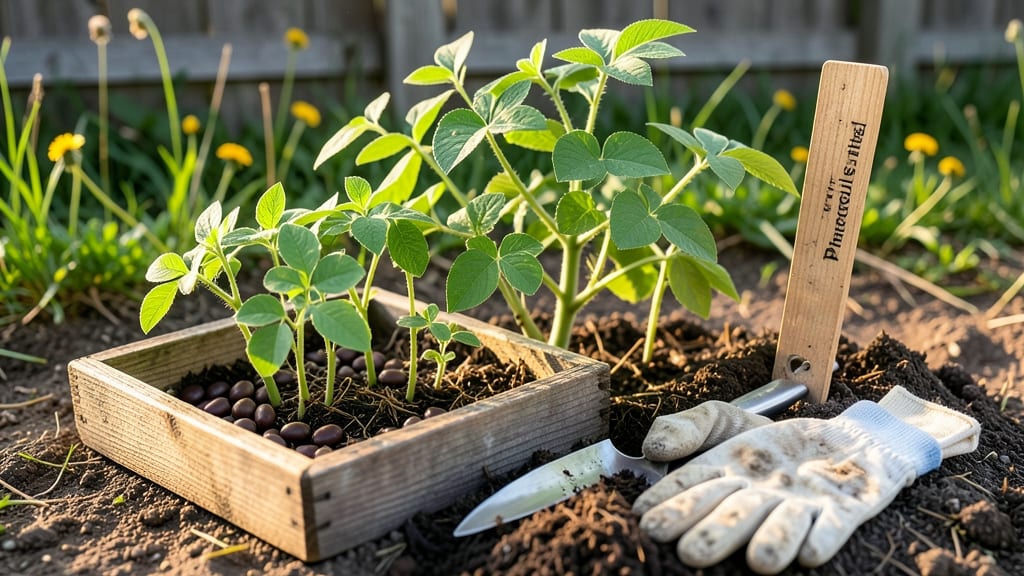
Knowing when to plant beans in NJ can mean the difference between a thriving garden and wasted effort. With New Jersey’s 6a-7b climate, timing isn’t just about avoiding frost—it’s about aligning with soil warmth and your specific bean variety.
Plant too early, and chilly nights stunt growth; too late, and summer’s heat stresses young plants before they can bear fruit.
Most gardeners in NJ start sowing 🌱 beans between mid-April and early June, but the exact window depends on whether you’re growing bush beans (faster maturing) or pole beans (needing more warmth).
The key is waiting until soil temperatures hit at least 60°F—a rule that saves you from digging up failed seedlings. I’ll break down the best planting strategies for your region, so you can enjoy a harvest from July through September.
Here’s the game-changer: coastal NJ areas (like Cape May) can plant earlier than inland spots (like Sussex County), thanks to milder microclimates. And if you’re eager for a second crop, late-summer plantings of heat-tolerant varieties can still produce into fall.
Let’s dive into the exact dates and tips to maximize your bean harvest this season.
Whether you’re a first-time gardener or a seasoned pro, getting the timing right ensures your beans thrive—not just survive. I’ll share NJ-specific insights, including soil prep tricks and how to extend your growing season with row covers. Ready to turn your garden into a bean bonanza?
NJ bean planting calendar: frost-free dates by bean type
New Jersey’s USDA Zones 6a-7b create a 165-day frost-free window—perfect for growing beans if you time it right. The last average frost date across NJ ranges from mid-April in southern regions (like Cape May) to late April in northern areas (like Sussex County).
For pole beans and bush beans, this means your planting window starts 2-3 weeks after frost and extends into early June.
Beans thrive when soil temperatures hit at least 60°F, which typically occurs by late April to early May in most of NJ. Lima beans and runner beans prefer even warmer soil (65°F+), so wait until mid-May for these varieties.
Planting too early risks cold soil stunting germination, while waiting too long may lead to heat stress before harvest.
Here’s your NJ-specific planting timeline for common bean varieties, tailored to frost dates and soil warmth:
| Bean Type | Best Planting Window | Soil Temp Threshold | Days to Harvest | NJ Notes |
|---|---|---|---|---|
| Bush Beans (e.g., Blue Lake) | April 20 – May 15 | 60°F+ | 50–60 days | Compact; great for containers. Plant in succession every 2 weeks for continuous harvest. |
| Pole Beans (e.g., Kentucky Wonder) | May 1 – June 1 | 65°F+ | 60–75 days | Needs trellis; longer season but higher yield per plant. |
| Lima Beans (e.g., Fordhook) | May 15 – June 10 | 70°F+ | 70–90 days | Heat-loving; avoid planting in cooler inland valleys like the Delaware Water Gap. |
| Runner Beans (e.g., Scarlet Runner) | May 20 – June 15 | 65°F+ | 80–100 days | Ornamental + edible; best for longer NJ summers (south Jersey). |
For northern NJ gardeners (e.g., Bergen or Passaic Counties), stick to earlier planting dates (April 20–May 1) and use row covers to extend the season. Southern NJ (e.g., Atlantic City) can plant up to 2 weeks earlier and even squeeze in a late summer crop (August) for fall harvests before the first frost in mid-October.
Pro tip: Check the NJ State Climatologist or Rutgers Cooperative Extension for real-time frost alerts. Their frost-free date maps adjust yearly based on microclimates—critical for NJ’s diverse regions, from coastal humidity to inland dryness.
If you’re unsure about your last frost date, err on the side of planting later. Beans are fast-growing (50–100 days to harvest), so a June planting can still yield pods by late August—just avoid planting after July 15 in most of NJ to ensure maturity before frost.
For container gardening, start seeds indoors 4–6 weeks before your target outdoor date (e.g., mid-March for early May planting). Use biodegradable pots to transplant seedlings without disturbing roots—a game-changer for small spaces like patios or balconies.
Remember: Soil temperature matters more than air temperature. Test your soil with a soil thermometer (available at garden centers) to confirm it’s 60°F+ before planting. Cold soil = slow germination or no germination at all.
🌱
How to adjust planting for NJ’s microclimates and soil conditions
New Jersey’s diverse climate—from coastal breezes to inland heat—means your bean planting strategy should adapt. Coastal areas like Cape May experience milder springs, allowing earlier plantings (mid-April), while inland regions near Delaware Water Gap may wait until late April.
Always check your local last frost date—NJ ranges from April 15 in the south to May 1 in the north.
Soil temperature is critical: beans need soil at 60°F+ to germinate. Use a soil thermometer to confirm—cooler clay-heavy soils in northern NJ often need warming. Amend heavy clay soils with compost or sand to improve drainage, as waterlogged roots stunt growth.
🌱
Don’t plant too early in cold, wet soils—beans rot at 50°F or below. Coastal gardeners risk salt spray damage if planting near shorelines; opt for raised beds. Inland areas face heat stress if planted after June 1—choose heat-tolerant varieties like 'Blue Lake' or 'Contender' for late-season success.
Extend your growing season with row covers or cold frames to plant 3-4 weeks earlier in spring or 2 weeks later in fall. For example, a black plastic mulch warms soil by 5-10°F, speeding germination. In sandy soils (common in Pinelands), mulch retains moisture—critical during NJ’s dry July-August heat.
Test your soil’s pH (6.0-7.0 ideal)—beans hate acidic conditions. Add lime if pH drops below 6.0, but avoid overdoing it; too much lime locks out nutrients. My go-to fix? A 1-inch layer of compost before planting boosts fertility without risking alkalinity.
For container gardening, use fast-draining pots (at least 12 inches deep) and plant 2-3 beans per container. Containers warm up faster than ground soil, so you can start 1 week earlier than in-ground plantings. Just ensure pots get full sun—even coastal shade can limit yields.
🌿