
Plants
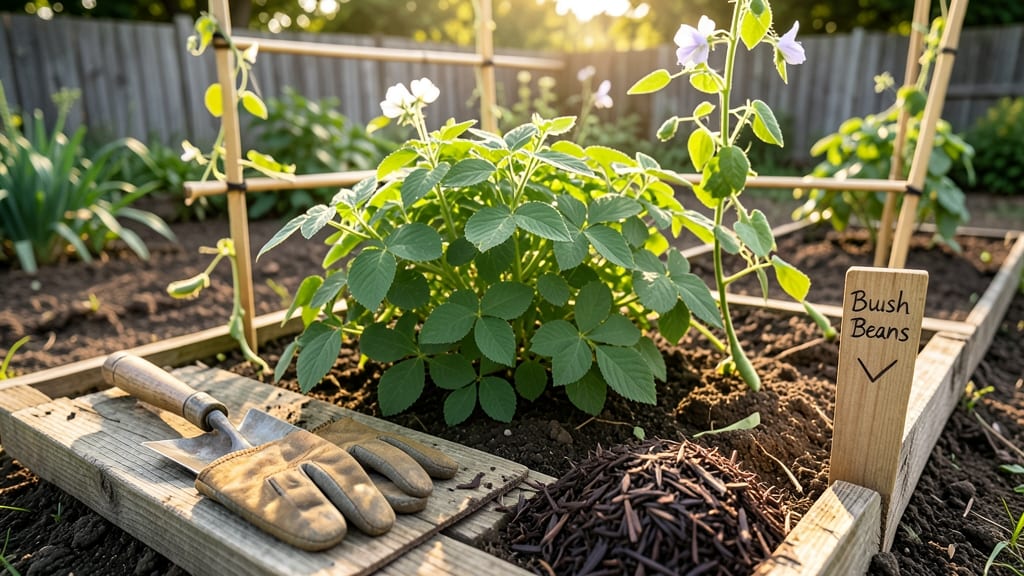
Timing your bean planting in Georgia isn't just about grabbing seeds and sticking them in the dirt—it's the key to avoiding bitter, stringy pods and bolted plants that never produce. With Georgia's 7b-8b climate, you've got a narrow window between last frost (mid-March) and scorching summer heat where beans thrive.
Most gardeners make one of two mistakes: planting too early when soil's still cold, or waiting too long when the heat triggers premature flowering. The solution? Start seeds indoors 4-6 weeks before your target date or direct-sow when soil hits 60°F—typically mid-April in most regions.
For summer plantings, aim for late July to avoid the worst heat.
Here's what you'll discover: the exact planting calendar for Georgia's heat zones, how to spot when your soil's ready, and which varieties handle our climate best. Whether you're growing bush beans for quick harvests or pole beans for continuous production, timing makes all the difference.
Let's break down the science behind Georgia's two planting seasons—spring and summer—and how to stretch your harvest from June through October without risking those dreaded bolted plants. Your garden's about to get a whole lot smarter.
Georgia’s bean planting calendar by heat zone: avoid bolt risk
Planting beans in Georgia isn’t just about grabbing seeds in March—it’s about mastering the heat zone dance to prevent bolt risk and woody pods. Georgia spans USDA zones 7a-8b, meaning your North Georgia mountains (like Blairsville) have cooler springs than South Georgia’s coastal plains (like Savannah).
The key? Plant when soil hits 60°F and air temps stay above 55°F at night.
Bush beans and pole beans both thrive in Georgia, but their optimal windows differ. Spring plantings should start 2-3 weeks after your last frost date, while summer plantings avoid the dog days of July when temps often exceed 90°F.
Fall plantings? Only work in North Georgia’s cooler microclimates—South Georgia’s heat lingers too long.
🌱 Did You Know? Georgia’s Coastal Plain (like Brunswick) can plant beans 4-6 weeks earlier than North Georgia’s Piedmont (like Athens) due to milder winters. Always check your local frost dates—they vary wildly!
For bush beans, aim for 55-60 days to maturity—plant in early spring for a June harvest or late summer for a September bounty. Pole beans, which take 60-70 days, thrive in late spring plantings when soil is warm but nights stay cool.
My go-to variety is ‘Contender’—it handles Georgia’s heat like a champ!
Pro tip: Use a soil thermometer to confirm 60°F+ soil temps before planting. Cold soil = stunted growth. If your soil runs cooler (common in North Georgia’s clay), amend with compost to warm it faster. 🌡️
Georgia’s late summer heat (August-September) is perfect for succession planting. Sow seeds every 2 weeks from July to August to stagger harvests. This works best for bush beans—pole beans need more space and time. 🌱
Watch out for bolt risk if temps spike above 85°F during flowering. Shade cloth (30-50%) can save your crop in South Georgia’s brutal July. For pole beans, choose heat-tolerant varieties like ‘Scarlet Runner’—they handle the 90°F+ afternoons better than most.
In North Georgia’s cooler zones, you might squeeze in a fall planting of short-season varieties like ‘Blue Lake.’ Time it so pods mature before first frost (usually mid-November). ✂️
Remember: Georgia’s microclimates matter. A 5-mile elevation change can shift your planting window by 2-3 weeks. Always scout your local Cooperative Extension office for heat zone maps—they’re gold for bean growers!
How to time bean planting for Georgia’s soil and weather patterns
Georgia’s soil temperature and heat advisories can make or break your bean harvest. Unlike cooler climates, beans here need warm soil (60°F+) to germinate properly, but they’ll bolt (flower prematurely) if planted too early.
I’ve learned the hard way—skipping a soil test or ignoring heat warnings leads to stunted plants or bitter pods. The key is balancing frost dates, microclimates, and real-time weather alerts.
Start by testing your soil temperature with a soil thermometer—plant only when it hits 60°F for 5+ days. In Georgia, this usually means waiting until late April for North Georgia (USDA Zone 7b) or mid-March for Coastal Georgia (Zone 8a).
But don’t rely solely on averages: check the NOAA heat advisories for your county, as sudden heatwaves can stress young seedlings.
🌱
For summer plantings, aim for late July to early August when soil cools slightly after peak heat. I’ve had success with ‘Scarlet Runner’ beans in shade cloth during 100°F+ days—they tolerate heat better than ‘Blue Lake’ varieties.
If your area gets humid afternoons, water in the early morning to prevent fungal diseases like rust.
Don’t forget fall plantings! In Coastal Georgia, you can sow heat-tolerant varieties like ‘Contender’ until early September for a late-season harvest. Just stop planting by October 1—beans need 60+ days to mature, and first frost hits by mid-November.
Pro tip: Use mulch (straw or black plastic) to keep soil consistently warm and moist. I’ve seen 30% faster germination in mulched beds during Georgia’s unpredictable springs.
And if you’re planting near trees or fences, check for shade patterns—beans need 6-8 hours of sun, even in summer’s long days.
Finally, keep an eye on the lunar calendar if you’re old-school: planting during the waxing moon (when roots grow stronger) can boost yields. But soil temp and weather always come first!