
Plants
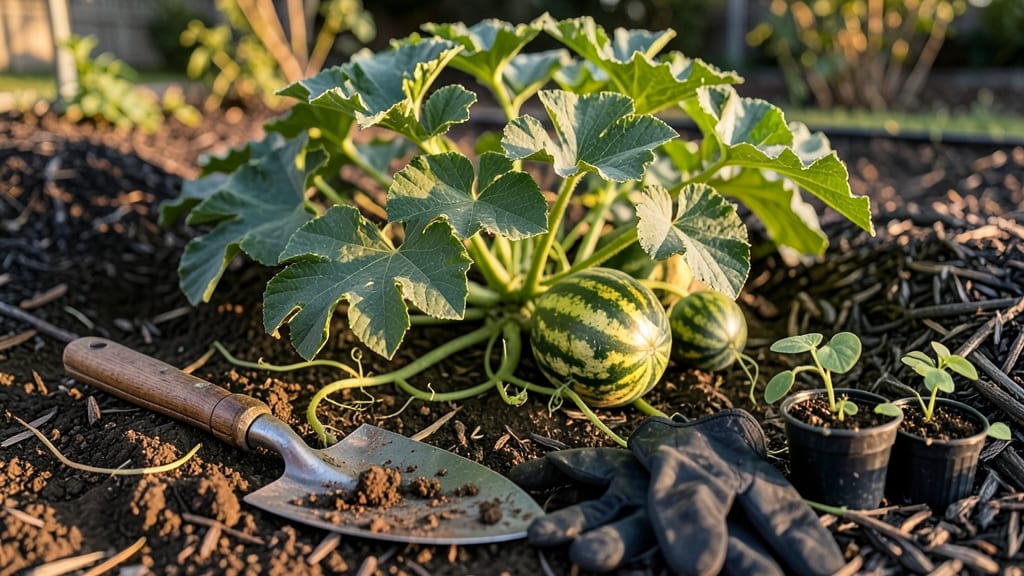
Planting watermelons in Tennessee at the wrong time can mean the difference between juicy, vine-ripened 🍉 harvests and bitter disappointment. The key isn't just waiting for spring—it's knowing when your soil reaches that critical 70°F threshold that transforms seeds into thriving vines.
Whether you're in East Tennessee's cooler 6a zones or West Tennessee's balmier 8a climate, timing matters more than most gardeners realize. Miss the window by even a few weeks, and you risk bolted plants or melons that never mature before frost.
Let me show you the exact dates that work for your region.
We'll cover everything from soil temperature tricks to last-frost date maps that actually predict success. You'll discover how to calculate your personal planting window using just three simple factors—no guesswork required.
Ready to turn your Tennessee garden into a watermelon goldmine? Let's dive into the strategies that separate the thriving harvests from the wasted seeds.
Tennessee watermelon planting dates by heat zone: avoid bolt risk with exact timing
Watermelons are heat-loving annuals that bolt (flower prematurely) when soil temperatures dip below 60°F (15°C). In Tennessee, this means timing is everything—plant too early, and your seeds rot; too late, and frost ruins your harvest.
The USDA zones 6b-8a across Tennessee create distinct planting windows, with East Tennessee’s mountains needing a 2-3 week delay compared to West Tennessee’s valleys.
Your local last frost date is the starting point, but soil temperature is the real decider. Use a soil thermometer ($10 at garden centers) to confirm 70°F (21°C) at 4-inch depth before planting. This often lags 2-4 weeks behind air temperature, especially in higher elevations like Knoxville or Chattanooga.
🌱
| Region | USDA Zone | Last Frost Date | Safe Planting Window | Soil Temp Threshold |
|---|---|---|---|---|
| East TN (Mountains) | 6b-7a | April 15-May 1 | May 15-June 1 | 70°F+ (21°C+) |
| Middle TN (Nashville) | 7a-7b | April 1-May 1 | April 20-May 15 | 70°F+ (21°C+) |
| West TN (Memphis) | 7b-8a | March 15-April 1 | March 30-April 15 | 65°F+ (18°C+) |
🌡️ Pro Tip: Add 1-2 weeks if your yard sits in a low spot or near a pond—cold air pools there!
For direct sowing (planting seeds outdoors), stick to these windows. If you’re transplanting seedlings, start them indoors 4-6 weeks before your region’s last frost date.
Use biodegradable pots to avoid root shock when moving them outside. Seedlings need warm soil too—never transplant into cold ground or they’ll sulk for weeks.
West Tennessee gardeners can push the envelope with early varieties like ‘Sugar Baby’ (60 days), but East Tennessee growers should default to 75-90 day varieties like ‘Crimson Sweet’ or ‘Charleston Gray’.
The longer growing season in zones 7b-8a lets you experiment with heirloom types, while shorter seasons in 6b demand fast-maturing hybrids.
One game-changer for Tennessee gardeners: black plastic mulch. Lay it down 2 weeks before planting to warm soil by 5-10°F. This lets you plant 3 weeks earlier in cooler microclimates. Just
Miss the window? Don’t panic—June plantings can still work if you choose fast varieties and use row covers to extend the season. But July plantings rarely ripen before frost in most of Tennessee. The key metric is frost-free days: Aim for 120+ days from planting to first frost for reliable harvests.
🌱
5 Critical factors that determine your perfect watermelon planting window in Tennessee
Timing your watermelon planting isn't just about checking a calendar—it's about understanding how soil temperature, elevation, and even your watermelon variety interact to create the perfect growing window.
In Tennessee, where microclimates vary dramatically from the Smoky Mountains to the Mississippi Delta, these five factors will help you pinpoint your exact planting dates.
First, soil temperature is the #1 determinant. Watermelon seeds need soil that's at least 70°F to germinate properly. Air temperature can fool you—cool mornings with warm afternoons might feel perfect, but if your soil isn't warm enough, your seeds will just sit there waiting.
Use a soil thermometer ($10 at garden centers) to check before planting.
Next, consider your USDA heat zone. East Tennessee's 6a-6b zones have later last frost dates (around May 15), while West Tennessee's 8a zone can plant as early as March 15 in some areas. This zone difference alone can mean a 6-week variation in planting windows.
Critical Factors for Tennessee Watermelon Planting
- 1 Soil Temperature: Must reach 70°F+ for germination. Use soil thermometer to verify.
- 2 USDA Heat Zone: 6a (East TN) vs 8a (West TN) = 6-week planting window difference.
- 3 Elevation Adjustments: Mountain gardens plant 2-3 weeks later than valley locations just 50 miles away.
- 4 Variety Maturity: 45-day varieties (like 'Sugar Baby') vs 90-day (like 'Crimson Sweet') change your window by 45 days.
- 5 Frost-Free Days: Tennessee averages 165 frost-free days, but your local count may vary by 30 days.
Don't overlook elevation—this is where Tennessee's geography plays tricks. A garden at 2,000 feet in the Smokies might need to wait until May 10 for safe planting, while a valley location just 50 miles away could plant by April 15.
The temperature difference at those elevations can be 10°F or more.
Your watermelon variety choice directly impacts your planting window. Fast-maturing varieties like 'Sugar Baby' (45 days) can be planted 45 days before you'd plant a long-season variety like 'Crimson Sweet' (90 days). This means you could get two harvests in some Tennessee zones by staggering plantings!
Finally, Tennessee's average 165 frost-free days gives you about 120 days of growing season after your planting window. But your local count might be 30 days shorter in mountainous areas. Check your county's frost date maps (available from UT Extension) to get precise numbers for your area.
By combining these five factors with your local conditions, you'll create a planting window that's personalized for your Tennessee garden. The result? Watermelons that thrive instead of struggle, and harvests that make your neighbors jealous. 🍉