
Plants
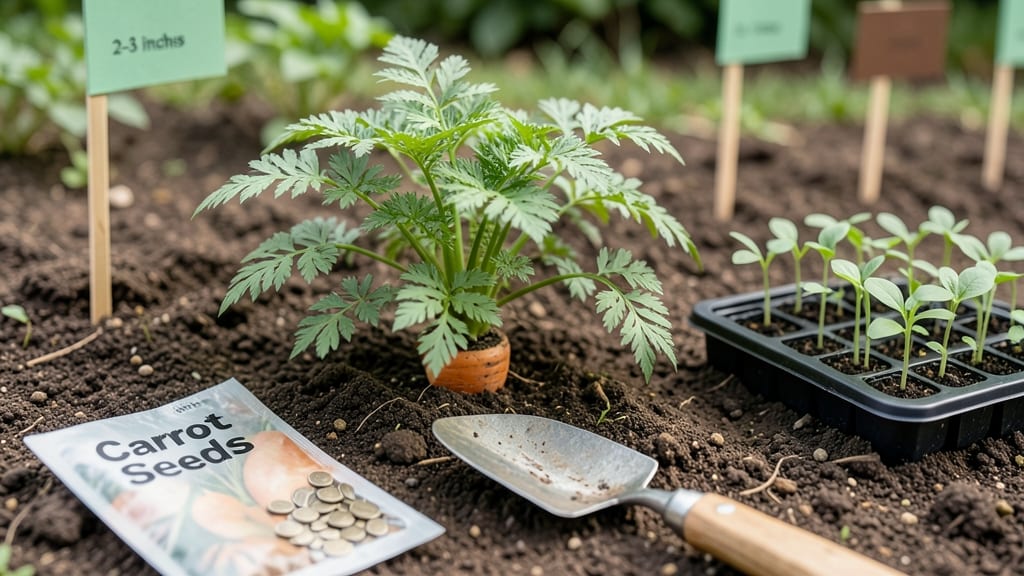
Timing your 🥕 carrot planting in East Tennessee can make or break your harvest—get it wrong, and you’ll end up with slow germination or tough, bitter roots.
The key isn’t just following a calendar; it’s knowing when your soil warms to the perfect 40°F–60°F range for fast sprouting, which shifts depending on whether you’re in a valley or higher elevation.
Most gardeners in USDA Zone 6a rush to plant as soon as the last frost passes, but that’s a mistake. Cool soil keeps seeds dormant, while waiting too long risks summer’s heat stressing young plants.
I’ll show you exactly when to start seeds in mid-April for spring carrots and late July for a fall crop—plus how to adjust for your microclimate.
You’ll also discover why succession planting every 2–3 weeks after your first window keeps your table stocked from June through November. No more gaps in your harvest, just steady, sweet 🥕 after 🥕.
Ready to grow carrots that come out of the ground effortlessly? Let’s dive into the soil temperature secrets that’ll turn your East Tennessee garden into a fast-germinating powerhouse—no guesswork, just results.
Optimal planting windows for carrots in East Tennessee by soil temperature
East Tennessee’s USDA Zone 6a-7a climate offers two ideal windows for planting carrots: early spring and late summer. The key to success? Soil temperatures between 40°F and 60°F—carrot seeds need warmth to germinate, but not so hot they dry out.
In my garden, I’ve learned that planting too early (when soil is still chilly) leads to slow, uneven sprouts, while waiting too long risks bolting before harvest.
For spring planting, aim for mid-April to early June once soil reaches 50°F. This aligns with East Tennessee’s last frost date around April 15, but don’t rush—cold soil can cause seed rot.
In fall, late July to early August gives carrots time to mature before the first frost hits October 15. I’ve found that succession planting every 2–3 weeks in these windows ensures a steady harvest.
Here’s the secret most gardeners miss: soil temperature matters more than air temperature. A soil thermometer (just $10) is your best tool—carrots germinate best at 55°F–60°F.
In my elevated mountain plots (like those in Sevier County), soil warms slower, so I plant 2 weeks later than valley areas (e.g., Knoxville). Use this summary-table to pinpoint your perfect window:
| Planting Window | Soil Temp | Germination Time | Notes |
|---|---|---|---|
| Mid-April | 45°F–50°F | 14–21 days | Slow germination; use row covers |
| May–June | 55°F–65°F | 7–10 days | Best window; fast, even sprouts |
| Late July–Aug | 60°F–68°F | 5–7 days | Risk of bolting; choose short-day varieties |
If you’re in a cooler microclimate (like higher elevations in the Smokies), delay planting until soil hits 55°F—even if neighbors in the valley start earlier. I once planted ‘Danvers’ carrots in early April in my 3,000-ft elevation garden, and only 10% germinated.
The lesson? Wait for warmth, even if the calendar says spring has arrived.
For fall planting, focus on late July to early August to avoid the heat of summer. Carrots planted in August will mature by early October before frost, while September plantings risk bolting from shorter days.
In my Knoxville garden, I’ve had success with ‘Nantes’ carrots sown in late July—they’re ready by Halloween!
Pro tip: Use a clear plastic mulch to warm soil faster in spring. Lay it down 1–2 weeks before planting to raise soil temps by 5–10°F. I’ve seen germination improve from 14 days to just 7 days with this trick. Just remove it once seeds sprout to avoid overheating.
Bolting (going to seed) is the biggest threat in East Tennessee’s summer heat. To prevent it, choose short-day varieties like ‘Paris Market’ and plant in partial shade if temperatures exceed 85°F. I’ve also had luck with shade cloth (30–50%) over rows during peak afternoon sun.
Remember: Carrots need consistent moisture to grow straight. Plant during cooler, cloudier periods (like early morning) to reduce stress. In my experience, rainy springs (common in East TN) mean faster germination, but droughty summers require daily watering to prevent forked roots.
Finally, track your local frost dates—East Tennessee’s 165-day frost-free season is tight for long-season varieties. Stick to 50–70-day varieties** like ‘Chantenay’ for spring and ‘Rainbow’ for fall to guarantee a harvest before frost.
🌱
Optimal planting windows for carrots in East Tennessee by soil temperature
East Tennessee’s USDA Zone 6a climate gives you two prime windows to plant carrots: spring (mid-April to early June) and fall (late July to early August). The difference between success and failure often comes down to soil temperature—carrot seeds need 40°F–60°F soil to germinate reliably.
Planting too early when soil is still cold (below 40°F) can leave seeds sitting in the ground for weeks, while waiting too long risks summer heat stressing young plants.
For spring planting, start seeds as soon as your soil reaches 45°F—typically mid-April in valleys but late April in higher elevations like the Smoky Mountains.
In the valley regions (e.g., Knoxville, Chattanooga), you can push planting to early May for a second crop, but germination slows if soil exceeds 70°F. Fall planting should begin by late July to ensure roots mature before the first frost (mid-October in most areas).
| Planting Window | Soil Temp Trigger | Germination Speed | Harvest Window |
|---|---|---|---|
| Mid-April to early May | 45°F–55°F | 7–14 days | June–September |
| Late July to early August | 50°F–60°F | 5–10 days | October–November |
If you’re in a higher-elevation area (e.g., Gatlinburg, Sevierville), aim for late April to early May for spring planting—your soil warms more slowly due to cooler nights. Use a soil thermometer to confirm temperatures before planting; seeds won’t germinate below 40°F, even if the air feels warm.
Pro tip: Direct-sow seeds—carrots hate transplanting—and space them 1/4 inch deep in rows 12 inches apart for easy thinning.
For a continuous harvest, practice succession planting every 2–3 weeks after your first window. This ensures you’re always pulling fresh carrots from June through November. In fall**, stop planting by early August to avoid roots maturing too late—you want them harvested before hard frosts hit in October.
Use row covers to extend your fall window by 2–3 weeks if needed, protecting young plants from early chills.
One common mistake in East Tennessee is planting carrots too close to summer’s heat. Soil temperatures above 75°F cause seeds to rot before sprouting, and established plants bolt (go to seed) prematurely.
If you miss the July–August window, consider short-day varieties like ‘Paris Market’ for a late-summer sowing, but expect smaller roots. The key is adjusting to your microclimate—valleys stay warmer longer, while mountain gardens cool off faster in fall.
To track your local soil temps, check the Old Farmer’s Almanac or use a free online soil thermometer guide for East Tennessee. Most years, the last frost in valleys is around April 15, but in the mountains, it can linger until May 1.
Planting 1–2 weeks after your average last frost date gives seeds the warm soil they need to sprout within 7–10 days—not the 3+ weeks you’ll get if you rush it.