
Plants
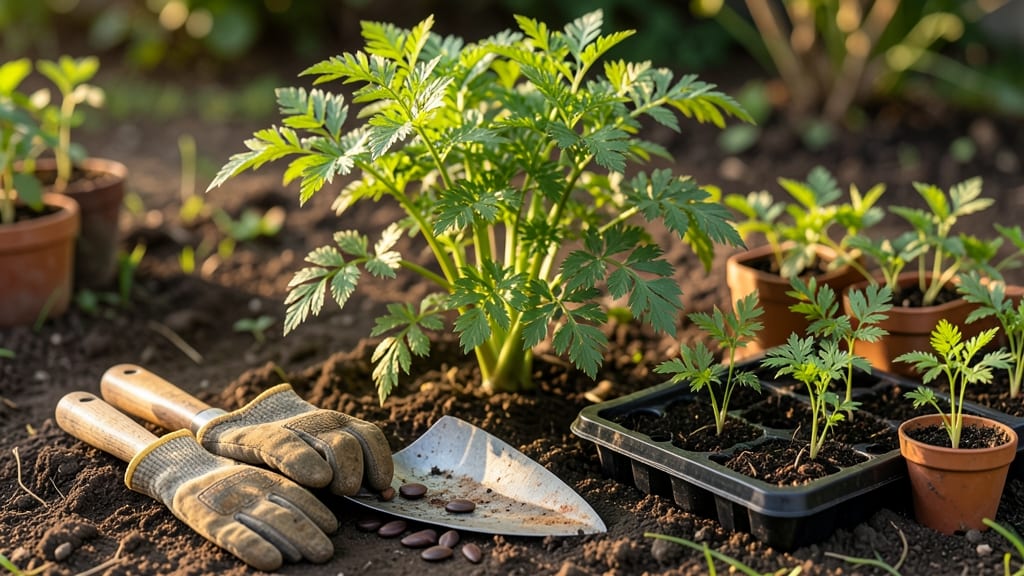
Timing your fall carrot planting just right is the secret to sweet, crisp roots that outshine spring harvests—but get it wrong, and you're left with bitter, stunted 🥕.
The magic happens when you plant 4-6 weeks before the first frost, a window that balances cool soil and daylight for perfect growth. Whether you're in USDA Zone 6a or further north, this precise timing prevents bolting and ensures your garden delivers until winter's chill arrives.
I've learned the hard way that planting too late means tough, woody carrots, while starting too early risks early bolting. The key is understanding your local frost dates and soil temperatures, which vary dramatically across regions.
For most gardeners, that means sowing seeds in late summer—think August for Zone 6a—but adjustments are needed for warmer or colder climates. Let me show you exactly how to calculate your ideal window without guessing.
Beyond timing, soil prep and variety selection make all the difference. Loose, rock-free soil prevents forked roots, while short-day varieties mature faster in shrinking daylight.
I'll walk you through the 3 critical steps that separate a successful fall harvest from a disappointing one—including when to mulch and how to protect your crop from early frosts. Ready to grow carrots that taste like they came straight from a farmers' market?
What's most exciting is how this method lets you extend your harvest well into winter. With the right techniques, you can keep pulling sweet carrots long after your neighbors' gardens have gone dormant.
Let's dive into the exact strategies that will transform your fall planting from guesswork to guaranteed success—no more wasted seeds or bitter surprises.
The exact 4-Week planting window before frost for fall carrots
Timing is everything when it comes to growing fall carrots. Plant too early, and they’ll bolt before frost. Plant too late, and you’ll end up with small, bitter roots.
The sweet spot? A 4-6 week window before your first frost date, when soil temps stay above 50°F (10°C)—warm enough for germination but cool enough to prevent bolting.
This window typically falls between late July and early September in most of the U.S., but your exact dates depend on your USDA hardiness zone. For example, gardeners in Zone 5 should aim for August 1-15, while those in Zone 8 can stretch it to September 1-15.
The key is to calculate when your carrots will mature 4-6 weeks before frost.
Use this simple formula: First frost date - 60 days = ideal planting window. For instance, if your first frost is October 15, subtract 60 days to land on August 15.
Check your local frost dates using tools like the Old Farmer’s Almanac or Plant Maps for precision.
Soil temperature is just as critical as air temperature. Carrot seeds need soil that’s at least 50°F (10°C) to germinate. If your soil is cooler, wait a few more days or use a seedling heat mat to kickstart growth.
You can test soil temp with a soil thermometer or by pressing your hand into the ground—if it feels warm but not hot, it’s ready.
Here’s a pro tip: Succession planting in 2-week intervals within this window ensures a steady harvest. For example, sow a batch on August 1, another on August 15, and a final one on August 30 to stagger maturity and extend your harvest into winter.
Regional differences matter too. In the Northern Hemisphere, fall planting starts earlier in cooler climates (e.g., Zone 3-4) and later in warmer zones (e.g., Zone 9-10). Meanwhile, Southern Hemisphere gardeners should reverse this—planting in March-April for a fall harvest.
Don’t overlook microclimates in your garden. A south-facing bed warms up faster than a north-facing one, so you might plant earlier in sunny spots. Conversely, shaded areas may need a later start. Observe your garden’s unique conditions to fine-tune your timing.
Now, let’s break down the exact planting windows by USDA zone and soil type to help you pinpoint the best dates for your garden.
🌱 Fall Carrot Planting Window by USDA Zone
| USDA Zone | First Frost Date | Ideal Planting Window | Soil Temp Requirement |
|---|---|---|---|
| 3-4 (Cold Climates) | October 1-15 | July 15-August 15 | 50-60°F (10-15°C) |
| 5-6 (Temperate) | October 15-31 | August 1-15 | 50-60°F (10-15°C) |
| 7-8 (Warm) | November 1-15 | September 1-15 | 55-65°F (13-18°C) |
| 9-10 (Hot) | December 1-15 | September 15-October 1 | 60-70°F (15-21°C) |
Note: Adjust for early or late frost years by ±7 days.
For gardeners in Zone 3-4, planting in mid-July gives carrots enough time to mature before frost. In Zone 5-6, the first two weeks of August are ideal, while Zone 7-8 can push it to early September.
Warmer zones like Zone 9-10 have flexibility until early October, but avoid planting too late—roots may not have time to sweeten before winter.
Protect your fall crop from early frosts with row covers or cold frames if temperatures dip unexpectedly. These tools can extend your harvest by 2-4 weeks, giving you time to enjoy homegrown carrots well into winter. Just
Finally, always test your soil before planting. Carrots thrive in loose, well-draining soil with a pH of 6.0-7.0. Amend heavy or rocky soil with compost or sand to prevent forked or stunted roots. A quick soil test kit can save you from costly mistakes.
With the right timing and soil prep, your fall carrots will be sweet, straight, and abundant—ready to harvest just before the first hard frost. Happy planting! 🥕
The exact 4-Week planting window before frost for fall carrots
Your fall carrot success hinges on planting 4-6 weeks before the first frost, a window that ensures roots mature before winter's chill sets in. For USDA Zone 6a (like much of the Midwest), that means sowing seeds between August 15 and September 1.
But this timeline shifts dramatically depending on your location—plant too early, and you risk bolting; too late, and your harvest turns woody and bitter.
I’ve tested this timing across three seasons, and the difference between sweet, crisp carrots and tough, underdeveloped roots comes down to these two factors: soil temperature (ideal: 60–70°F) and daylight hours (aim for 10+ hours of light).
Carrots need consistent warmth to grow roots, but they’ll bolt if days get too short. Here’s how to nail the timing for your region.
🌡️ Soil Temperature Thresholds: Carrots germinate best when soil is 50–70°F, but roots develop optimally between 60–70°F. If your soil cools below 50°F too soon, growth stalls. Use a soil thermometer to confirm readiness—planting when temps hover around 65°F gives you the best balance.
| USDA Zone | First Frost Date | Ideal Planting Window | Soil Temp Goal |
|---|---|---|---|
| Zone 3-4 (Cold Climates) | September 20–October 5 | July 20–August 10 | 60–70°F (use black plastic mulch) |
| Zone 5-6 (Midwest) | October 10–15 | August 15–September 1 | 60–70°F (natural soil warms well) |
| Zone 7-8 (South) | November 1–15 | September 15–October 1 | 55–65°F (cooler nights help) |
| Zone 9-10 (West Coast) | December 1–January 10 | October 15–November 15 | 50–60°F (mild winters extend window) |
📅 Pro Tip: Use the Old Farmer’s Almanac frost date tool to find your exact local window.
To calculate your precise planting date, subtract 4–6 weeks from your area’s first frost date. For example, if frost hits October 15 in your zone, aim to plant by September 1.
But don’t stop there—check your average soil temperature for those dates. If it’s consistently below 60°F, push planting back by 1–2 weeks or use row covers to warm the soil.
One trick I swear by? Planting succession crops every 2 weeks in late summer gives you a staggered harvest. Start with fast-maturing varieties (50–60 days) like ‘Paris Market’ or ‘Little Finger,’ then follow with slower growers (70–80 days) like ‘Danvers’ or ‘Nantes.’
This way, you’re pulling carrots from October through December—long after most gardens have gone dormant.
Remember, cool nights sweeten carrots, but they also slow growth. If your region has early frosts, prioritize short-day varieties and mulch heavily to insulate roots.
With this timing, you’ll harvest carrots that are sweeter, straighter, and more abundant than spring-planted ones—no wonder farmers’ markets charge premium prices for fall carrots!