
Plants
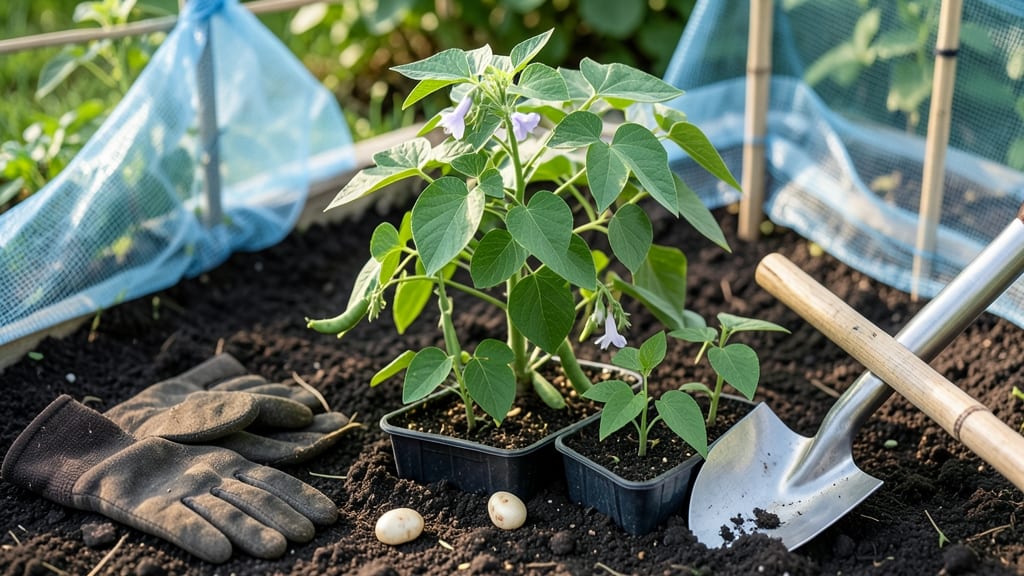
Knowing when to plant beans in Wisconsin can mean the difference between a thriving garden and wasted effort. The wrong timing risks frost damage or beans bolting before you even get to harvest—something no gardener wants after all that hard work.
Wisconsin’s 4b-6a climate zones make timing especially tricky, with last frost dates varying from mid-April in southern regions to early May in the north. But don’t worry—this guide breaks down the perfect planting windows so you can avoid common mistakes and maximize your harvest.
Whether you’re growing heat-loving kidney beans or cooler-tolerant pole beans, the key is planting after soil reaches 60°F and at least 1 inch deep. We’ll cover county-specific dates and pro tips to extend your growing season, ensuring your beans thrive from July through October.
Ready to turn your garden into a bean bonanza? Let’s dive into the exact dates and strategies that work for Wisconsin’s unpredictable spring weather.
Wisconsin bean planting zones by county: avoiding frost and heat stress
Wisconsin’s diverse climate means last frost dates can vary by over 3 weeks from south to north. In Milwaukee County, you can plant beans as early as mid-April, while in Dodge County or Bayfield County, wait until late May to avoid frost damage.
Understanding these zones ensures your bush beans and pole beans thrive without bolting prematurely.
Beans are warm-season crops that need soil temperatures of at least 60°F (15°C) to germinate. In Wisconsin’s USDA Zones 4b-6a, this typically aligns with late spring after the last frost.
However, northern counties like Iron County may need to wait until June 1, while southern counties like Walworth County can start as early as April 15.
Here’s how to align your planting with Wisconsin’s county-specific frost windows to maximize yield and avoid common pitfalls like frost damage or heat stress:
| County Region | Last Frost Date | Ideal Planting Window | Heat Risk Zone | Notes |
|---|---|---|---|---|
| Southern WI (Walworth, Racine, Kenosha) | Mid-April | April 15 - May 1 | Moderate (July heat) | Early planting; use shade cloth if hot. |
| Central WI (Dane, Rock, Sauk) | Late April | May 1 - May 15 | Low-Moderate | Best for bush beans; avoid late July planting. |
| Northern WI (Vilas, Oneida, Iron) | Early May | May 20 - June 1 | Low (shorter season) | Choose fast-maturing varieties like 'Provider'. |
| Western WI (Eau Claire, Chippewa) | Late April | April 30 - May 10 | Moderate-High | Water deeply in July to prevent bolting. |
| Fall Planting (All Regions) | Late July | July 20 - August 10 | Low (cooler temps) | Harvest before first frost (Oct). |
For pole beans, which take longer to mature, prioritize southern counties where the growing season is longer. In northern Wisconsin, focus on bush beans like 'Blue Lake' or 'Kentucky Wonder', which mature in 50-60 days.
Meanwhile, pole varieties like 'Rattlesnake' or 'Kentucky Blue' need the extended season found in southern and central Wisconsin.
Heat stress is another critical factor. Wisconsin’s July and August temperatures can cause beans to bolt prematurely. In high-risk zones like Waukesha or Dodge County, consider shade cloth or mulching to keep soil temperatures stable.
Planting a second crop in late July can also extend your harvest window before the first frost hits in late September or October.
Always check the Wisconsin State Climatology Office for localized frost alerts before planting. Their historical frost data can help you fine-tune your schedule, especially if you’re in a microclimate like a valley or urban area, where frost patterns may differ slightly from county averages.
Pro tip: Use black plastic mulch to warm soil faster in northern counties. This can shave off 1-2 weeks from your planting timeline, giving you an earlier start without risking frost damage.
How to calculate your exact bean planting date using Wisconsin’s microclimates
Wisconsin’s diverse microclimates mean your neighbor’s perfect planting time might not work for you. Urban areas like Milwaukee often warm up faster than rural Dodge County, while elevation changes in the Northwoods can delay soil warming by weeks.
To pinpoint your exact planting window, start by checking your local last frost date—typically late April in southern WI and early May in the North.
Next, account for soil temperature. Beans need 60°F+ soil to thrive, which usually lags behind air temperature. Use a soil thermometer or wait until two weeks after your last frost date to plant.
For a head start, begin indoor seeds 4-6 weeks before your target outdoor date—especially helpful in Zone 4b areas where summers are short.
Step-by-Step Planting Timeline for Wisconsin
- Step 1: Check your county’s frost data (Wisconsin State Climatology Office).
- Step 2: Add 2 weeks to last frost date for soil warming.
- Step 3: Plant bush beans 1-2 weeks before pole beans (they’re faster to mature).
- Step 4: For fall varieties, aim for late July (harvest before first frost).
- Step 5: Adjust 1 week later if your area has high elevation or urban heat islands.
Don’t forget to monitor local weather patterns. If a late frost is forecasted, use row covers to protect young plants. Conversely, if unseasonably warm weather hits early, consider planting heat-tolerant varieties like ‘Provider’ beans, which handle Wisconsin’s 85°F+ spikes better than standard types.
For urban gardeners, microclimates can vary dramatically. A south-facing rooftop in Madison might be 5°F warmer than a shaded backyard, allowing earlier planting. Use neighborhood heat maps (available from local extension offices) to refine your timing.
In rural areas, watch for cold air pockets in valleys, which can delay planting by 10 days or more.
Pro tip: Plant a test row of fast-maturing beans (like ‘Blue Lake’) 2 weeks before your main planting. If they thrive, you’ve found your optimal window. If they struggle, wait another week. This trial-and-error method accounts for Wisconsin’s unpredictable spring better than any calendar.
Finally, track your progress. Use a garden journal to note when you planted, how long it took to sprout, and your final yield. Over time, you’ll refine your timing to match your unique microclimate—ensuring zero bolt risk and maximum harvests year after year. 🌱